Vienna In Three Days: An Itinerary Around The Food
Three days is enough to eat through Vienna properly if the days are built around meals rather than museums. Here is a route that moves from market breakfasts to coffee house afternoons to evening wine, with the timings that actually work.
Short answer
A food-first three days in Vienna works best as one day in the centre with a market and a coffee house, one day from the Naschmarkt through the outer districts, and one day in the wine hills or the Christmas markets from November. The main sights sit beside the meals, not the other way round.
Three days in Vienna is the classic stay, and it is long enough to eat the city properly if each day is planned around meals instead of squeezed between them. Vienna rewards this approach more than most capitals: the coffee house is an institution with its own heritage listing, the Naschmarkt has fed the city for generations, and the wine villages inside the city limits produce their own legally defined field blends. The famous sights, from St Stephen's Cathedral to the Belvedere, sit within a short walk of something worth chewing.
This itinerary treats food as the spine and the sights as the ribs. It assumes comfortable shoes, a willingness to eat lunch as an event rather than a refuelling stop, and a soft spot for cake at four in the afternoon. If you would rather have the first day organised end to end, the five-and-a-half-hour walk through coffee houses, markets, lunch and street food does exactly what its title promises, and this guide builds on the same logic.
What Should Three Days In Vienna Look Like Around Food?
The shape that works is centre, market districts, then vineyards: day one inside the Ring with a coffee house anchor, day two around the Naschmarkt and outer neighbourhood markets, day three in the Vienna woods wine villages or, from mid-November, the Christmas markets. Mornings are for markets, mid-afternoon is for cake and coffee, evenings are for schnitzel, Heuriger wine or a small-group dinner walk. Three days fits this comfortably without rushing a single meal.
Vienna's food geography makes the plan almost write itself. The Innere Stadt, the old centre inside the Ringstrasse, holds the grand coffee houses and the classic schnitzel kitchens. The Naschmarkt sits at the edge of it, next to the Kettenbrückengasse station. The wine villages of Grinzing, Nussdorf, Neustift and Stammersdorf climb the hills in the north and north-west, still inside the city boundary, which surprises many first-time visitors. Vienna is one of the few world capitals with commercial vineyards inside the city limits, around 588 hectares of them according to the 2026 Vienna wine catalog, with roughly a third farmed organically. Getting between the schnitzel kitchens of the old centre and the wine villages on the hills is simple once you know the transit system, and our guide to Wiener Linien tickets and passes explains which fare covers a full day of eating your way across the city.
A word on pacing. Austrians eat lunch seriously, often with a set menu at midday, and treat the afternoon coffee and cake break as a meal in its own right rather than a snack. Dinner tends to start later than visitors expect, around 19:00 or later in traditional kitchens. Building your three days around that rhythm, market in the morning, cake at four, dinner at eight, feels less like a diet of indulgence and more like joining the city's actual schedule.
Here is the skeleton, with fuller day-by-day detail below:
| Day | Morning | Midday And Afternoon | Evening |
|---|---|---|---|
| Day 1 | Centre walk, St Stephen's, sausage stand snack | Classic coffee house for lunch and cake, Ringstrasse stroll | Schnitzel dinner in the centre or a first district Beisl |
| Day 2 | Naschmarkt stalls and Saturday flea market if timed | Lunch at the market, museum or Belvedere after | Guided evening food and drinks walk or Karmelitermarkt area |
| Day 3 | Wine hills: Grinzing, Nussdorf or Stammersdorf | Heuriger buffet lunch, vineyard walk | Christmas markets from mid-November or a farewell dinner |
What Should Day One In Vienna Cover?
Start in the centre and eat the centre: St Stephen's Cathedral and the old lanes in the morning, a classic coffee house for lunch and cake in the early afternoon, then a schnitzel or Tafelspitz dinner in a first-district kitchen or a neighbourhood Beisl. Day one belongs to the Innere Stadt because everything is walkable and the coffee house tradition is the food experience Vienna is most famous for.
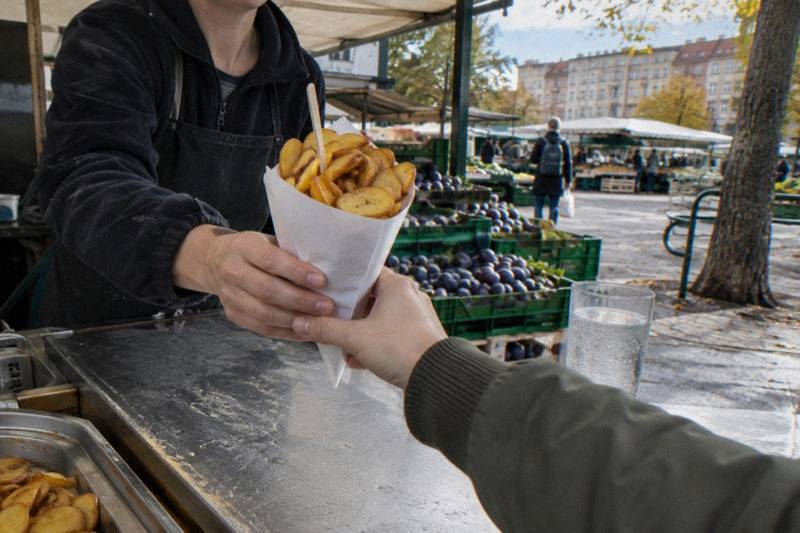
Begin at St Stephen's Cathedral and wander. Within ten minutes in any direction you will pass a Wurstelstand, the sausage kiosk that the Vienna Tourist Board itself celebrates as part of the city's street food heritage alongside the coffee house and the Heuriger. A Käsekrainer, the cheese-filled sausage, is the standing snack of the city, and eating one standing up at the counter is not a compromise, it is the correct method.
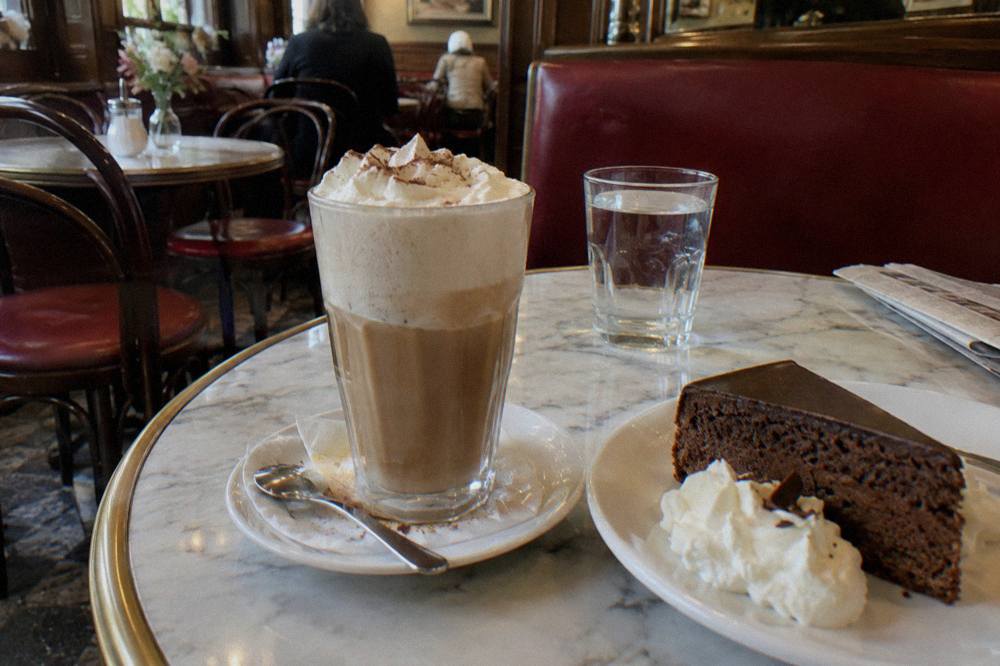
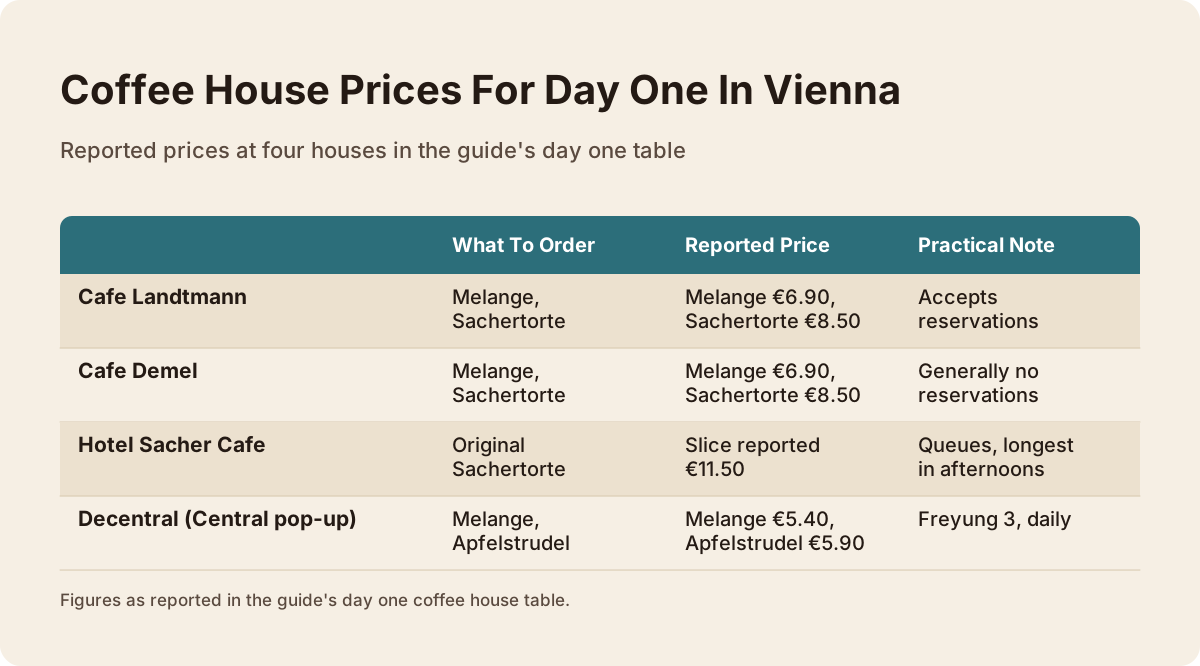
For lunch, the coffee house is the move, and Vienna has several hundred to choose from. The culture is recognised on Austria's national inventory of intangible cultural heritage, inscribed in 2011, and cited by the Vienna Tourist Board as UNESCO heritage. What that means practically: newspapers on sticks, marble tables, waiters in black tie, no pressure to leave, and a menu of coffee variations that runs for pages. Our Vienna coffee house culture guide covers the ritual in depth, and the short version of the money question is that a Melange in the classic houses clusters around €6.90, with Sachertorte slices reported between €8.50 and €11.50 depending on the house. Check the menu on arrival; prices move.
One planning note that matters for 2026 visitors: Cafe Central, the most famous of them all, is closed for renovation until winter 2026, so build day one around one of the houses that is fully open, and confirm Central's status on the cafe's own site before you plan a visit for later in the winter.
| Coffee House | What To Order | Reported Price | Practical Note |
|---|---|---|---|
| Cafe Landtmann | Melange, Sachertorte | Melange €6.90, Sachertorte €8.50 | Accepts reservations |
| Cafe Demel | Melange, Sachertorte (rival version) | Melange €6.90, Sachertorte €8.50 | Generally no reservations |
| Hotel Sacher Cafe | Original Sachertorte | Slice reported €11.50 | Queues, longest in afternoons |
| Decentral (Central pop-up) | Melange, Apfelstrudel | Melange €5.40, Apfelstrudel €5.90 | Freyung 3, daily |
The evening belongs to schnitzel or Tafelspitz. Vienna's schnitzel culture is deep enough that the delivery platform Schnitzel Index for 2026 crowned Vienna Austria's schnitzel capital, 142,318 orders between January and August, with an average pork schnitzel price in the city around €15.09 as reported. Our guide to where to eat Wiener schnitzel in Vienna names the kitchens worth the walk. Two etiquette points that save confusion: a Gedeck cover charge of 2 to 5 euros appears on the bill in traditional venues, legal only if printed on the menu, and tipping runs 5 to 10 percent, paid by stating the total you want when the bill comes.
If day one feels like too much self-navigation, a guided option exists that covers precisely this ground: coffee houses, a market, lunch and street food in one 5 hours 30 minute walk with a local guide. The full description, meeting point and inclusions are on the booking page.
For readers who want the coffee house half of day one guided rather than the whole day, there is also a dedicated coffee house walk: 3 hours 30 minutes of pastries, small bites and the local stories behind the institutions, in the same category of experience but a shorter, cake-forward format. It suits travellers who would rather spend the rest of the afternoon inside a museum than inside another cafe, though the cafe option is rarely regretted.
Where Should Day Two Take You In Vienna?
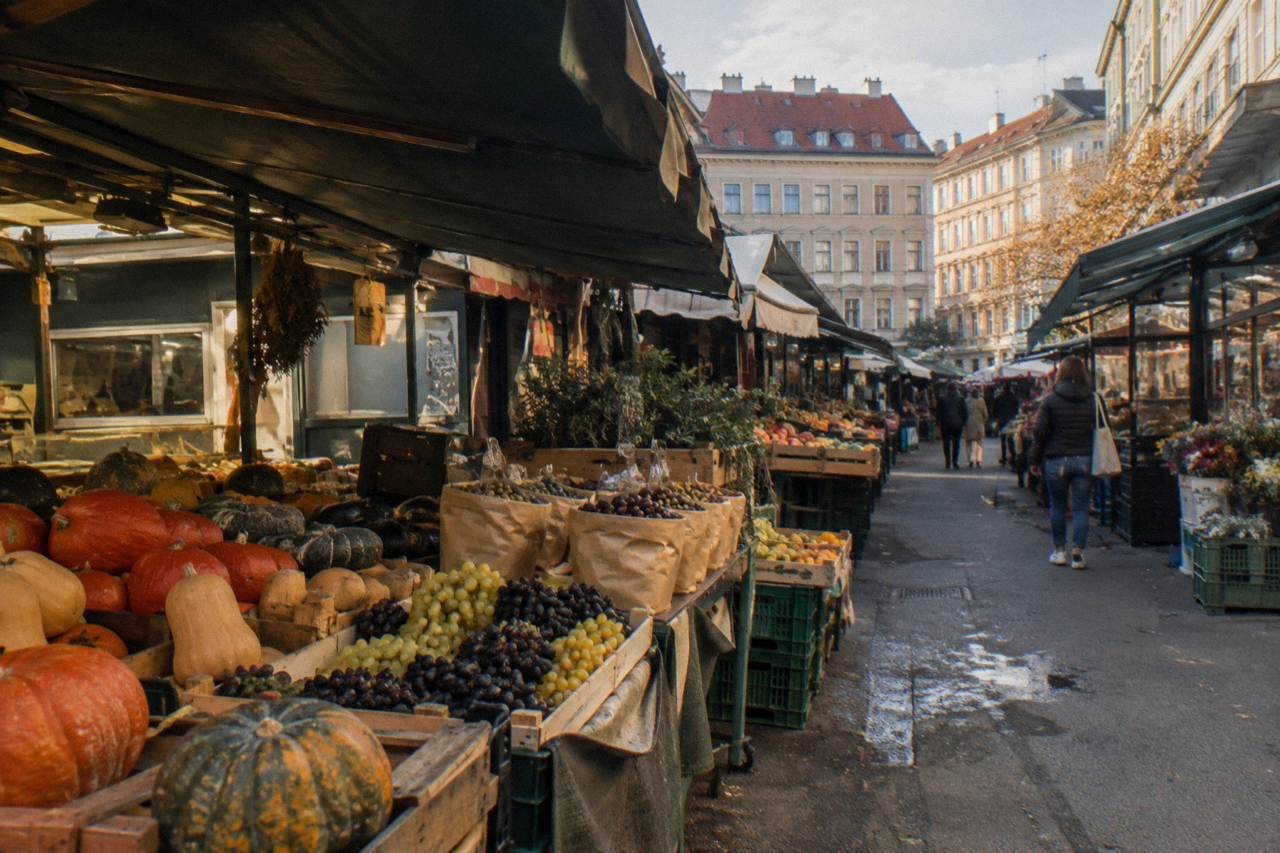
Day two belongs to the markets: the Naschmarkt in the morning, lunch at one of its counters, then either the museum quarter or a neighbourhood market such as the Karmelitermarkt or Brunnenmarkt in the afternoon, and an evening food-and-drinks walk or a relaxed dinner in the second district. The Naschmarkt's official maximum hours are 6:00 to 21:00 on weekdays for sales stands, so morning is when it is liveliest.
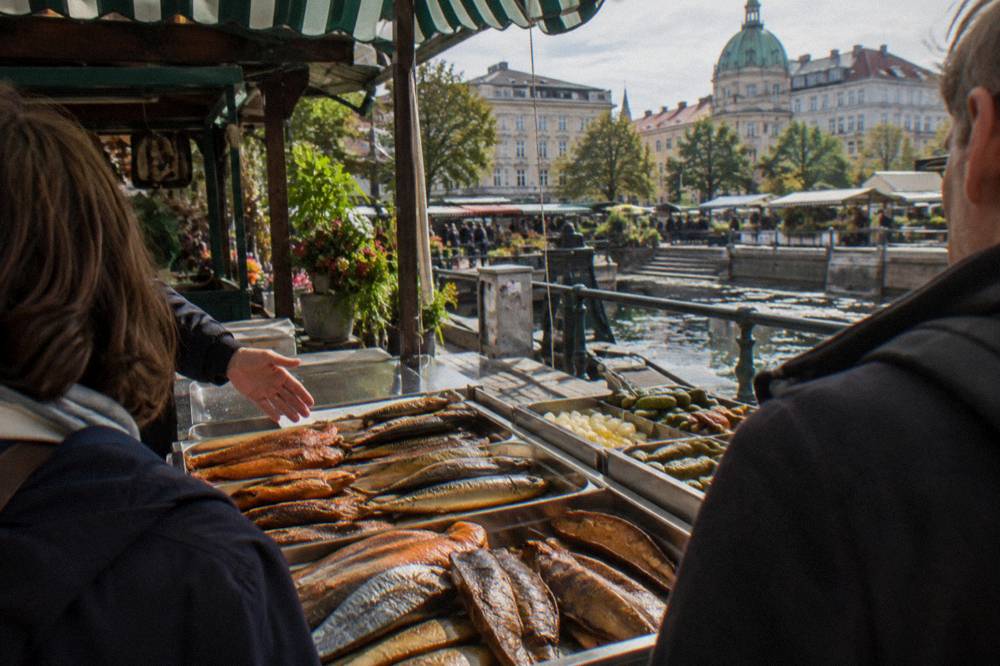
The Naschmarkt is Vienna's best known market and the anchor of any food-focused second day. The official city rules, published on the municipal site and updated in June 2026, set maximum trading hours for sales stands at 6:00 to 21:00 Monday to Friday and 6:00 to 18:00 Saturday, with every stand required to be open Tuesday to Friday between 15:00 and 18:00. Restaurants and bars may run to 23:00 Monday to Saturday. In practice, go before noon: the produce is at its best and the restaurant touts who work the lane later in the day have not yet geared up. Our Naschmarkt food guide maps what to eat and where, and the honest answer to whether the market has become touristy is that both things are true at once.
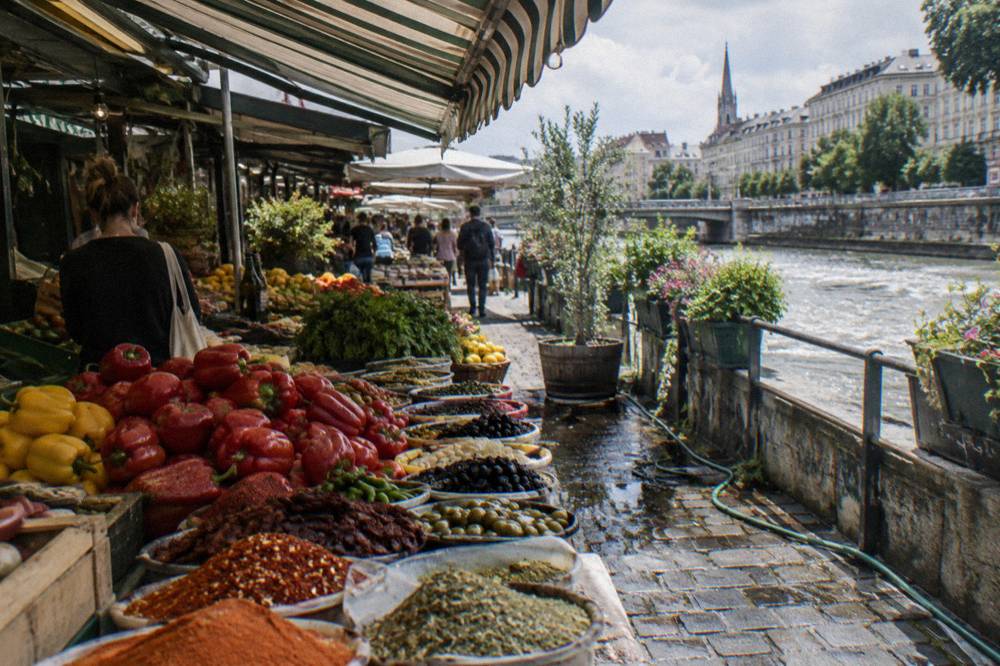
If your day two falls on a Saturday, the flea market beside the Naschmarkt runs from about 6:30 to 15:00, and browsing it costs nothing. Note the 2026 exceptions: no flea market on 25 and 26 December, and restricted operation on 12 and 19 December because of the Christmas tree market. The market area itself is mid redevelopment, with full completion pushed to February 2027, but the new timber Marktraum hall, with 13 stands selling regional bread, meat, fish and cheese, is already worth a loop.
A guided tasting walk through the Naschmarkt is the natural upgrade for day two: 2 hours 30 minutes with a guide leading tastings through the stalls, described on the booking page with its meeting point and what is included. It suits anyone who would rather not gamble on which of the market's counters deserve their money.
For the afternoon, pick one of two directions. Culture first: the Belvedere and the Museumsquartier sit within easy reach, and the Kaffeehaus tradition again provides the bridge between sightseeing blocks. Or market second: the Karmelitermarkt in the second district is smaller, local and excellent, with a farmers' market component on Friday and Saturday, while the Brunnenmarkt in Ottakring is the longest street market in the city, roughly 160 to 170 stalls, with around 120 trading on Saturdays. Our guide to Vienna's markets beyond the Naschmarkt covers them all.
The evening of day two is the strongest candidate for a guided experience, because Vienna after dark is a different food city. A small-group evening tour combining dinner, wine and cocktails runs 4 hours and is described on the booking page as a seated, multi-stop format. Independent diners can instead aim for the revived Wirtshaus scene: the 2026 restaurant guides added new Bib Gourmand entries in Vienna including Rosi in Rudolfsheim and TIAN Bistro am Spittelberg, evidence that the traditional Beisl is having a genuine renaissance rather than a museum moment.
What Does Day Three In Vienna Offer?
Day three is the choice day: the wine hills of Grinzing, Nussdorf, Neustift or Stammersdorf for a Heuriger lunch and vineyard walks in the warmer months, or the Christmas markets for market food and punch from mid-November, or a MondoVino festival visit if your dates land on 13 to 14 November 2026. This is the day Vienna stops resembling other capitals, because the vineyards are inside the city.
The Heuriger is the heart of day three. A genuine Viennese Heuriger, as the Vienna Tourist Board defines it, serves only wine from its own vineyards and signals it is open with a pine branch and an Ausg'steckt sign over the door. Roughly 100 real Buschenschank and Heurigen were still operating, and openings are seasonal and irregular rather than fixed, so check the Ausgsteckt calendars before committing to a village. Our visitor's guide to the Heuriger in Vienna explains the whole system, including the wine law detail that Wiener Gemischter Satz, the blended field wine, cannot legally be sold before 1 December of the harvest year.
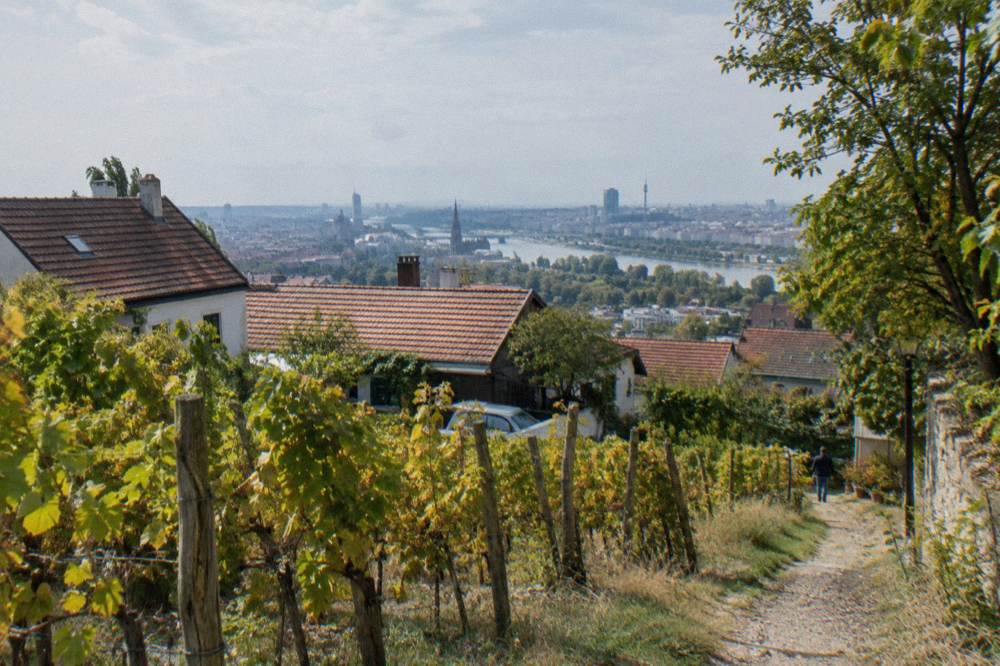
Budget-wise, the Heuriger buffet is one of Vienna's better value meals: typical self-service cold buffet plates run around 6 to 12 euros at neighbourhood spots, with an evening total often 8 to 15 euros, and a glass, an Achtel, of the house wine around 3 to 5 euros, all reported 2026 figures. Tourist-oriented venues in Grinzing run higher. Getting there is simple: tram D to Nussdorf, bus 35A to Neustift am Walde, tram 31 to Stammersdorf. The Vienna Wine Hiking Day, which ran free entry on 26 and 27 September 2026 with four routes through the vineyards, has passed for this year; pay attention to the calendars if you are planning 2027.
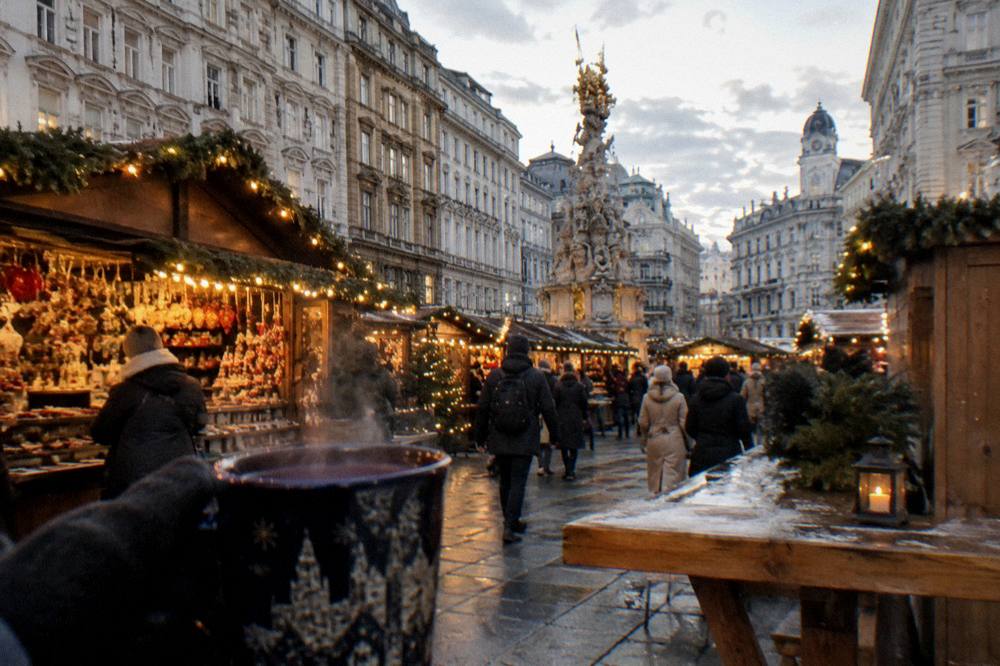
From mid-November, day three has a rival plan: the Christmas markets. The city's official 2026 programme lists 15 markets with 814 stalls in total. Schoenbrunn opens first, on 6 November, Rathausplatz follows on 13 November, and Spittelberg, Am Hof and Karlsplatz all open on 13 November as well. Admission is free and the food is the point: roast chestnuts, Käsekrainer, punch and gluwein. Our Vienna Christmas markets guide has the full breakdown, and a guided Christmas market food and drinks tour runs 4 hours for anyone who wants the stalls decoded rather than merely sampled.
| Day Three Option | Best Season | Food Focus | Getting There |
|---|---|---|---|
| Grinzing and Nussdorf | Spring to autumn | Heuriger buffet, Gemischter Satz | Tram 38 or bus 38A to Grinzing, bus 35A to Neustift |
| Stammersdorf Kellergasse | Spring to autumn | Cellar lane Heurigen, Sturm in autumn | Tram 31 |
| Christmas markets | Mid-November to late December | Punch, chestnuts, sausages, sweets | Rathausplatz, Schoenbrunn and others by metro |
| MondoVino at Marx Halle | 13 to 14 November 2026 only | 170+ wine and gourmet producers | Marx Halle, third district |
A fitting farewell dinner closes the trip. The Michelin Guide Austria 2026 keeps two three-star restaurants in the city, Steirereck im Stadtpark and Amador, for a splurge, while the Wirtshaus renaissance described on day two offers softer prices and arguably more of Vienna on the plate. Either way, day three evening is the moment to book rather than walk in.
How Much Does A Three-Day Vienna Food Trip Cost?
Independent eating costs sit in euros from reported menu data: a Melange around €6.90 in the classic houses, cake between €5.90 and €11.50 a slice, a Heuriger evening often €8 to €15, a schnitzel dish around €15 in average city kitchens. Guided walks are priced per person on their booking pages, and this page deliberately prints no dollar figure the listing does not state.
The honest framing is that Vienna is mid-table for Western European capitals: cheaper than Paris or Zurich, dearer than Budapest or Prague, and full of levers. The biggest lever is the market lunch and Heuriger buffet versus the first-district dinner house. The second lever is tap water: an Arbeiterkammer sample of 30 Vienna venues in 2026 found 23 charged for it, often €0.80 to €3.60 per half litre, and it is legal whenever the price is on the menu, so order knowingly. The third lever is timing: set lunch menus at midday undercut the evening card in most kitchens, a general custom rather than a fixed price.
For the guided layer, prices depend on format and length, from a 45-minute cellar tasting to a full 8-hour wine country day trip, and the tours listed here span everything between. Because prices change and this site does not print a dollar figure the listing does not state, check the booking page for each. What is stable is the structure: food walks bundle tastings and often lunch or drinks, coffee house walks bundle pastry stops, and wine experiences bundle the tasting itself, so the comparison is value per experience rather than price per hour.
Which Guided Food Experiences Fit A Three-Day Vienna Trip?
Fit the format to the day: a long full-city food walk on day one to learn the terrain, a short market tasting walk on day two at the Naschmarkt, a coffee house walk or an evening dinner-and-drinks walk where the mood strikes, and a wine country or cellar tasting on day three. One guided experience per day is plenty; two leaves no room for the independent meals that make Vienna feel like Vienna. If you're still weighing which format suits you, this guide to picking the right Vienna tour for your travel style compares food walks, coffee house visits, and wine tastings side by side.
The formats divide cleanly. The 5 hours 30 minute full-city walk pairs coffee houses, a market, lunch and street food, the closest single booking to this entire itinerary's day one. The 3 hours 30 minute coffee house walk covers pastries and stories in a shorter, sweeter loop. The Naschmarkt tasting walk handles day two's market in 2 hours 30 minutes. On the wine side, options range from a 45-minute private hidden cellar tasting to a full 8-hour Vienna Woods tour and an 8 hour 30 minute Wachau Valley small-group trip with wine tasting, the latter described in our day trips from Vienna to the Wachau guide. A half-day countryside wine tour with meal and pickup splits the difference at 4 hours.
| Format | Duration | Best Day | What It Covers |
|---|---|---|---|
| Full-city food walk | 5 hours 30 minutes | Day 1 | Coffee houses, market, lunch, street food |
| Coffee house walk | 3 hours 30 minutes | Day 1 or 2 | Pastries, bites, local stories |
| Naschmarkt tasting walk | 2 hours 30 minutes | Day 2 | Guided tastings through market stalls |
| Evening dinner walk | 4 hours | Day 2 | Dinner, wine and cocktails, small group |
| Countryside wine tour | 4 to 8 hours 30 minutes | Day 3 | Vineyards, tastings, some with meal and pickup |
Two practical notes before booking anything. Vegetarian lunch options are stated for the main full-city walk, the authentic 5-hour food walk and the private tasting tour; no listing states vegan or gluten-free catering, so message the operator before booking if that matters to your group. And since queues, menus and what a guide shows can vary by day and season, treat listing descriptions as descriptions, and check each booking page for meeting point, inclusions and cancellation terms rather than assuming.
Whichever mix you choose, the underlying promise of this itinerary holds: Vienna in three days, eaten properly, is entirely realistic. Vienna Food Tours exists because the city's food culture is unusually legible once someone points at it, and three days is exactly enough time to learn to read it, from the pine branch over a Heuriger door to the Gedeck line on a Beisl menu.
Common Questions About A Three-Day Vienna Itinerary
Is Three Days Enough For Vienna?
Yes, for a food-first visit. Three days covers the centre, the Naschmarkt and at least one wine village or the Christmas markets, with a coffee house stop most afternoons. It is not enough for every major museum, so choose two at most.
What Should Day Three In Vienna Be?
Day three is best spent in the wine hills at a Heuriger, or at the Christmas markets if you visit from mid-November, when 15 markets with 814 stalls open across the city from 6 November onward.
When Should I Go To The Naschmarkt?
Before noon. Sales stands may trade from 6:00, and the official rules require stands to be open Tuesday to Friday between 15:00 and 18:00, but mornings have the best produce and the fewest restaurant touts. On Saturday the flea market beside it runs from about 6:30 to 15:00.
Is Cafe Central Open In Vienna?
Cafe Central has been closed for major renovation since 16 March 2026, with reopening planned for winter 2026. Its pop-up, Decentral, operates at Freyung 3; confirm on the cafe's own site before visiting.
Should I Book A Guided Food Walk For Vienna?
One guided walk, most usefully the full-city format on day one, adds context you will use for the rest of the trip. Check the booking page for meeting point, inclusions and dietary options, and message the operator about vegan or gluten-free needs before booking.
How Much Does Coffee And Cake Cost In Vienna?
A Melange costs around €6.90 in the classic houses, with cake slices between about €5.90 and €11.50 depending on the venue. Prices change, so check the menu before sitting down.