Day Trips From Vienna For Wine And Food: Wachau And Beyond
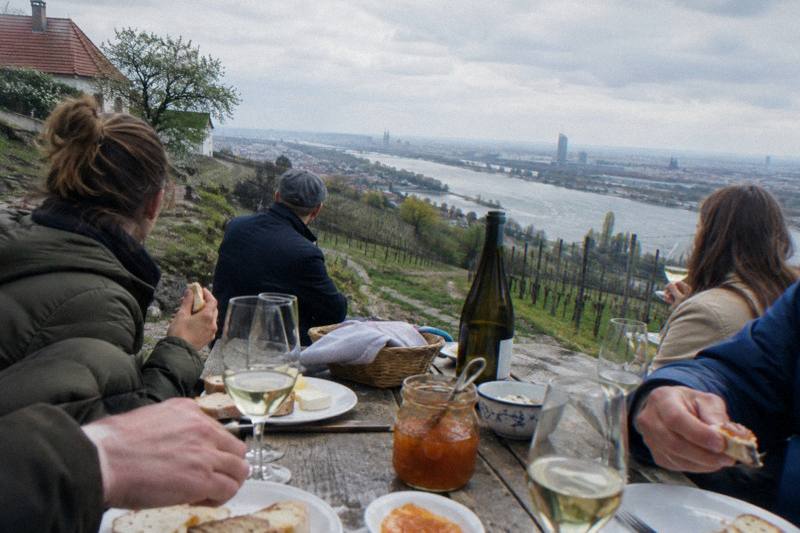
Vienna is one of the few capitals with vineyards inside the city, and the Wachau, Krems and the Vienna Woods are all within easy reach. Here is how the bookable wine day trips compare, what the harvest calendar means for your dates, and when a self-guided day makes more sense.
Short answer
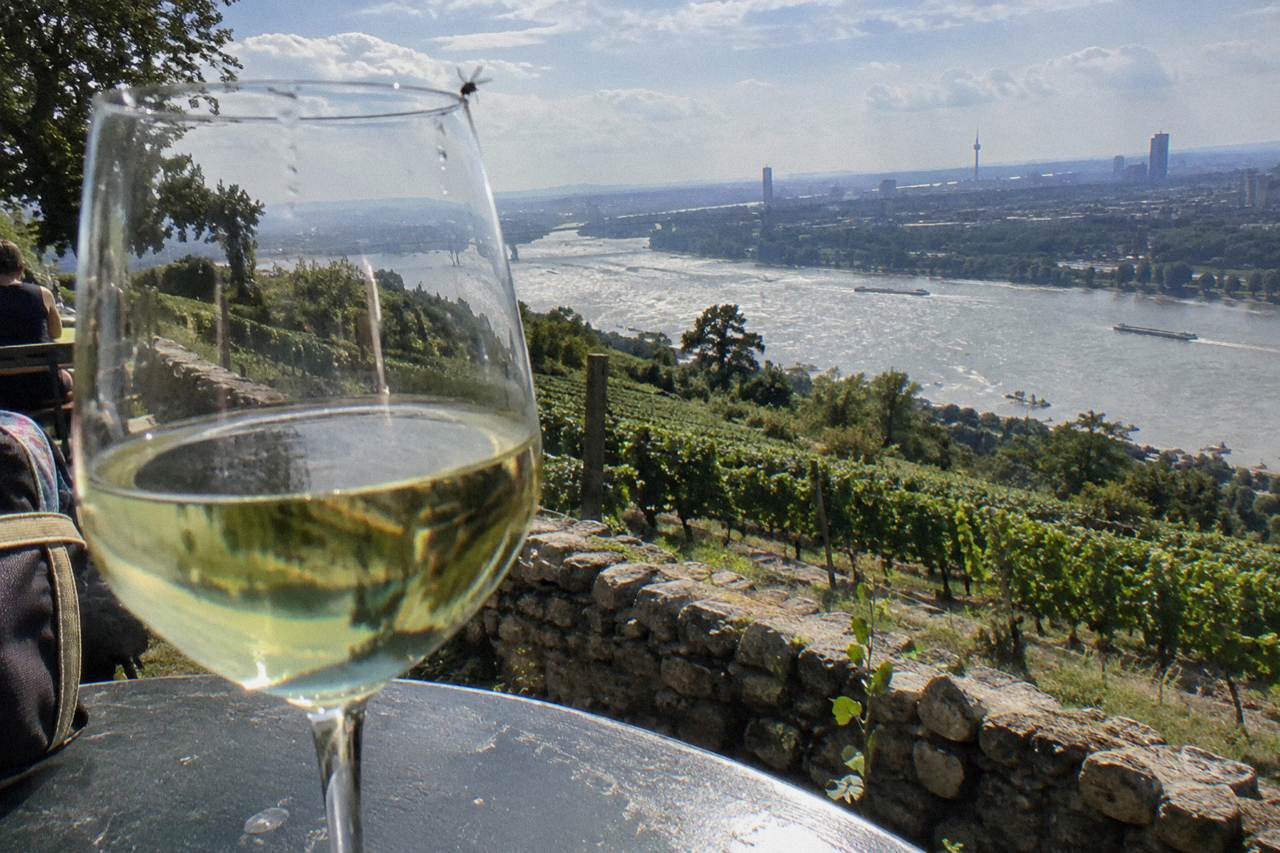
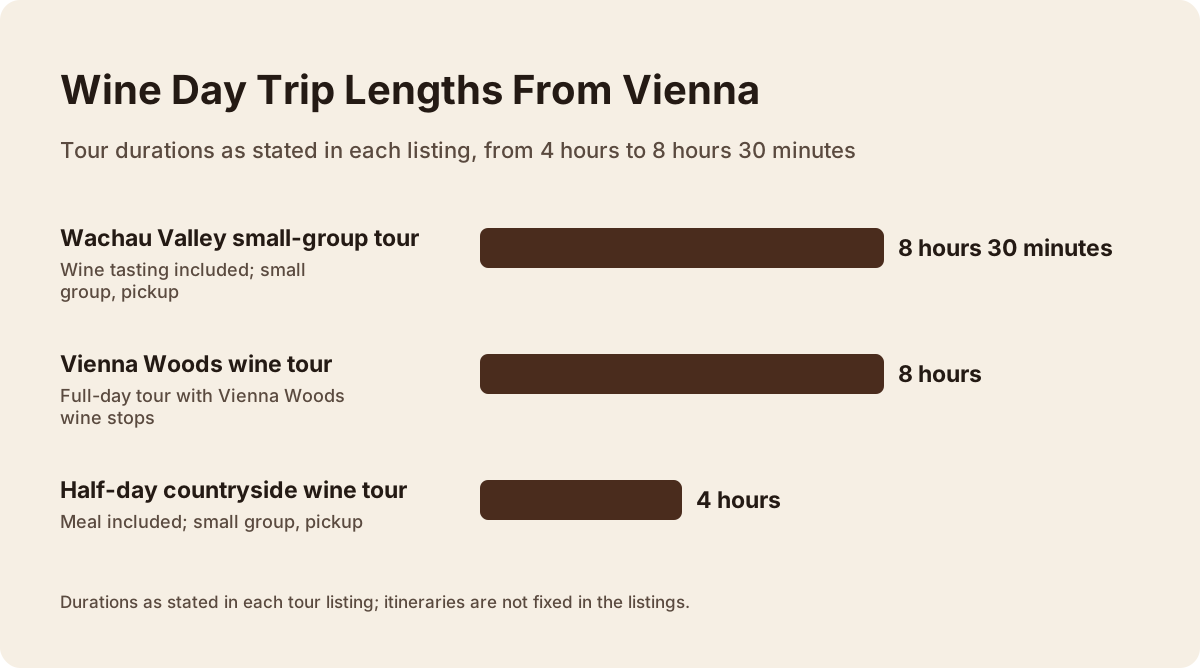
The bookable wine day trips from Vienna run from 4 hours to 8 hours 30 minutes. The Wachau Valley small-group trip is the longest at 8 hours 30 minutes with a tasting, the half-day countryside tour runs 4 hours with a meal and pickup, and the Vienna Woods tour runs a full 8 hours. Current prices are on each operator's live listing.
Vienna grows wine inside its own city limits, 588 hectares of vineyard across Döbling, Floridsdorf, Liesing and Oberlaa according to the 2026 Vienna wine catalog, with 172 wineries working that land. That makes the city an unusual base: you can walk a vineyard in the morning and still spend a whole day in the Wachau, Austria's most famous wine valley, without changing hotels. This guide compares the bookable wine day trips, explains what each one actually covers based on what the listings describe, and sets out the harvest calendar so you know what the valley looks like in the month you travel.
The three guided options most travellers compare are the Wachau Valley small-group tour with wine tasting, a half-day countryside wine tour with a meal and pickup, and a full-day Vienna Woods wine tour. They differ more than their names suggest: one is a Danube valley trip with a tasting, one is a short afternoon escape with lunch built in, and one is a rolling hillside drive through the forested hills west of the city. Picking between them is mostly a question of how much time you have and whether you want the Wachau specifically or just a glass of local wine somewhere green. And if you would rather learn to cook Austrian classics than ride out to the vineyards, the guide to strudel and schnitzel cooking workshops in Vienna explains which class fits your schedule.
Why Leave Vienna For Wine When The City Grows Its Own?
Vienna has its own vineyards and its own Heurigen wine taverns, so a day trip out of the city only makes sense when you want something the city cannot offer: the Wachau's steep Danube terraces, a boat-and-castle landscape, or a wine region with a completely different character. The Wachau is the name that draws most visitors, and it earns the trip. The trade is time: the small-group tour runs 8 hours 30 minutes, essentially your whole day.
The distinction matters because Vienna's wine identity is real. The 2026 Wiener Weinpreis catalog lists 588 hectares of city vineyard, 33 percent of it farmed organically, and the Grüner Veltliner and Gemischter Satz pours you find at a city Heuriger are genuinely local. The Vienna Tourist Board describes the Heuriger tradition, wine from the grower's own vineyards served under a pine branch sign, as part of the city's heritage alongside the coffee house and the sausage stand.
What the city cannot give you is the Wachau. That valley, west of Vienna along the Danube, is a UNESCO World Heritage landscape of terraced vineyards, apricot orchards, riverside villages and clifftop ruins, and its Riesling and Grüner Veltliner come from soils and slopes nothing inside the city replicates. The 2026 harvest reports from the region point to an early, quality-driven vintage, and the Wachau grape harvest generally runs from early or mid October to mid November, weather dependent, as reported by the region's own event calendar.
There is also a practical reason to leave. The 2026 season made city wine scarcer per hectare but no less pleasant to drink, and a day in the Wachau or the Vienna Woods puts you among the growers who lived through that harvest. For travellers deciding between a city Heuriger evening and a valley day trip, the honest answer is that they are different products: the Heuriger is a slow evening of wine and cold plates, the day trip is a landscape. The two together, on different days, is the version of Vienna wine country most people end up wishing they had booked.
What Does A Wachau Valley Day Trip From Vienna Actually Include?
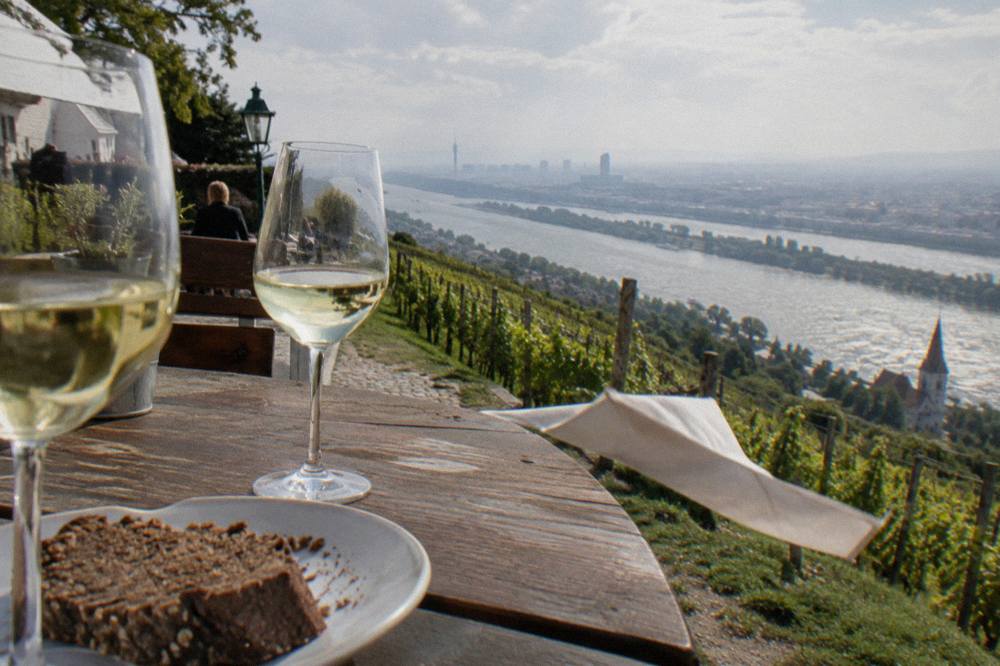
The Wachau Valley small-group tour runs 8 hours 30 minutes and pairs the valley's sights with a wine tasting, in a small-group format that keeps the group size low. The listing describes pickup from Vienna and a full-day loop through the Wachau region; exact stops, distances and travel times are not fixed in the listing, so check the operator's booking page for the current itinerary before you book. Current pricing is on the live listing.
The appeal of this format is that the Wachau rewards time. The valley's vineyards climb terraces so steep that most work is done by hand, its villages sit directly on the Danube, and the drive from Vienna alone passes through a landscape that changes character three times. A small-group vehicle, which is what this tour uses, suits that terrain better than a large coach: the tasting rooms and village lanes of the Wachau were built long before tour buses.
What you are buying, in practice, is a day with someone else handling the road. Wine tasting in the Wachau means Riesling and Grüner Veltliner from the terraces above the Danube, and the tasting included in this trip is the structured part of the day. Beyond that, the listing frames the trip around the valley's scenery and villages rather than a fixed stop list, which is worth knowing if you have one specific castle or abbey in mind: confirm it is on the route on the booking page.
For readers who want the fuller Vienna wine picture, the site's Vienna Food Tours coverage includes a guide to every wine tasting option in the city, which is the right place to start if a whole day out feels like too much. The Wachau trip is the opposite of a city tasting: it is a landscape day with wine attached.
The half-day countryside wine tour is the honest alternative for anyone whose schedule cannot absorb 8 hours 30 minutes. It runs 4 hours, includes a meal, and the listing states pickup, so the logistics are handled the same way as the Wachau trip but the commitment is half. It is not a Wachau trip: it is countryside wine country nearer the city, with lunch as the anchor rather than a full valley loop. Travellers who want wine, food and green hills without surrendering an entire day tend to land here, and it pairs well with a morning of sightseeing in the centre.
The Vienna Woods tour, meanwhile, runs a full 8 hours through the forested hills west of Vienna, the same hills that shelter the city's own western vineyard districts. The three tours overlap less than their titles suggest, and the table below separates them cleanly.
| Trip | Length | Wine element | Food element | Format |
|---|---|---|---|---|
| Wachau Valley small-group tour with wine tasting | 8 hours 30 minutes | Wine tasting in the Wachau region | Not stated in the listing, check the booking page | Small group, pickup |
| Half-day countryside wine tour with meal and pickup | 4 hours | Countryside tasting near Vienna | Meal included, per the listing | Small group, pickup |
| Vienna Woods wine tour: Wines, Vines & Good Times | 8 hours | Vienna Woods wine stops | Not stated in the listing, check the booking page | Full-day tour |
Which Wine Day Trip From Vienna Fits Your Schedule?
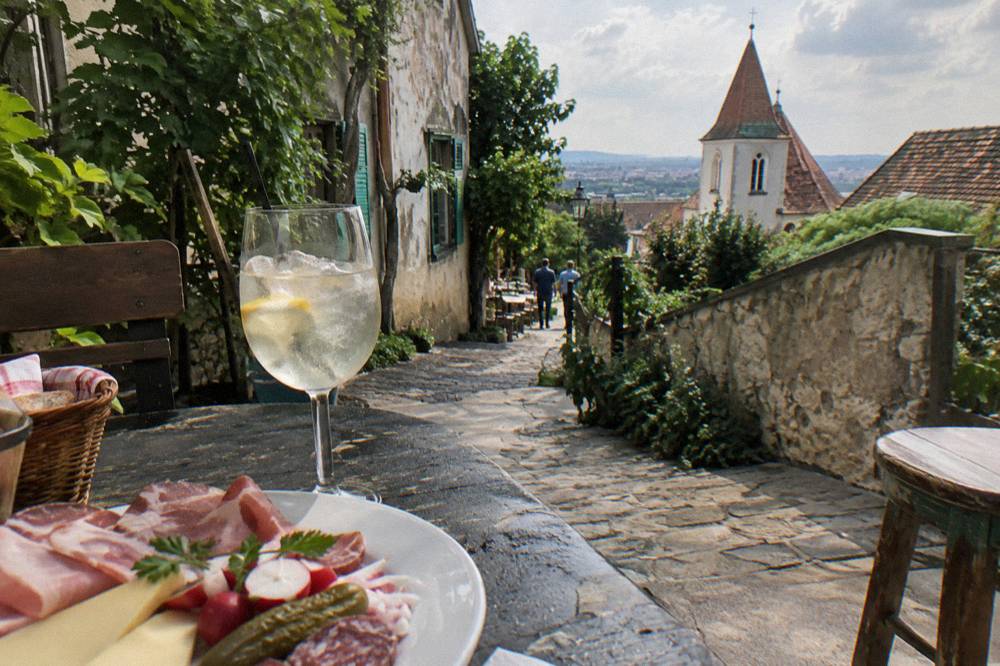
Match the trip to the time you have, not the region you have heard of. One free afternoon points to the 4-hour half-day countryside tour with its included meal; a fully open day with an early start suits either the 8-hour Vienna Woods tour or the 8 hours 30 minutes Wachau trip. Between the two full days, choose the Wachau for the Danube landscape and the Vienna Woods for a closer, softer hill-and-cellar day.
The half-day trip earns its place on itineraries that are already full. Vienna rewards long days in the centre, museums and coffee houses and the Naschmarkt, and a 4-hour afternoon escape with pickup and a meal means you lose nothing from your morning. The listing does not fix the route, so read the current description on the booking page, but the shape of the product is simple: countryside, wine, food, back in the city by evening.
Between the two full days, the decision is about landscape. The Wachau is dramatic: river, terraces, apricot orchards, ruins on ridgelines. The Vienna Woods is gentler and closer, a landscape of wooded hills and wine villages that has fed Vienna's wine culture for centuries. If your trip falls in the harvest window, early or mid October to mid November, the Wachau's steep terraces are the more striking place to see pickers at work, though weather shapes both.
A mid-trip note on planning: several food walks and city tours meet in the central district, and travellers often stack a city food experience the day before or after a wine day trip. The guide to choosing a morning or evening food walk covers how to sequence those around a full day out. One caution on timing: check the booking page for exact pickup times rather than assuming a fixed hour, since meeting details can shift with the season.
When Is The Best Time Of Year For Wine Country Near Vienna?
The wine year has three distinct seasons: harvest from early or mid October to mid November, weather dependent, as the Wachau's own calendar reports; the Sturm window of September and October when partially fermented young wine appears briefly; and the long shoulder season from spring to early autumn when the vineyards are green and the tastings are calmest. Winter narrows the options, as many traditional wine taverns in the countryside reduce hours from November to March.
Autumn is the classic answer, and the 2026 season illustrates why. The harvest was early this year and the yield fell sharply, heat and dryness cut the Vienna crop by 30 to 40 percent, yet growers described the quality as very good to exceptionally good. For a visitor that means two things: October landscapes at their most active, and a vintage worth tasting when it reaches the glass. The region's official Wachau events listing carries the seasonal detail, and the Vienna wine catalog documents the city vineyard picture the rest of the year.
| Season | What the wine country looks like | Notes for day trippers |
|---|---|---|
| March to June | Vines leafing out, quiet tasting rooms | Calm shoulder season; confirm low-season hours for small producers |
| July to early September | Full green vineyards, warm terraces | Sturm begins appearing late in the window, typically September and October |
| Early or mid October to mid November | Harvest in progress, terraces at their busiest | Weather dependent; the most photogenic window for the Wachau |
| Late November to March | Dormant vines, many taverns closed or reduced | Traditional Buschenschank hours thin out; confirm what the tasting stop looks like |
Sturm deserves a sentence of its own. This cloudy, sweet, fizzy partially fermented must is sold only briefly, typically through September and October, and drinking it at a countryside stop is a genuinely local autumn ritual rather than a tourist product. If your dates fall in that window, ask whether the day trip's tasting stop pours it.
Spring through early autumn is the pragmatic second choice: the terraces leaf out, the Danube is warm enough for boat traffic, and the tasting rooms are quieter than in the harvest rush. Winter is the season to be careful with. Traditional Buschenschank wine taverns, around 100 of which still operate in Vienna by recent reporting, commonly close or reduce hours from November to March, and countryside options thin out the same way. A guided day trip can still work in winter, but confirm what the tasting stop looks like in the low season on the booking page before you commit.
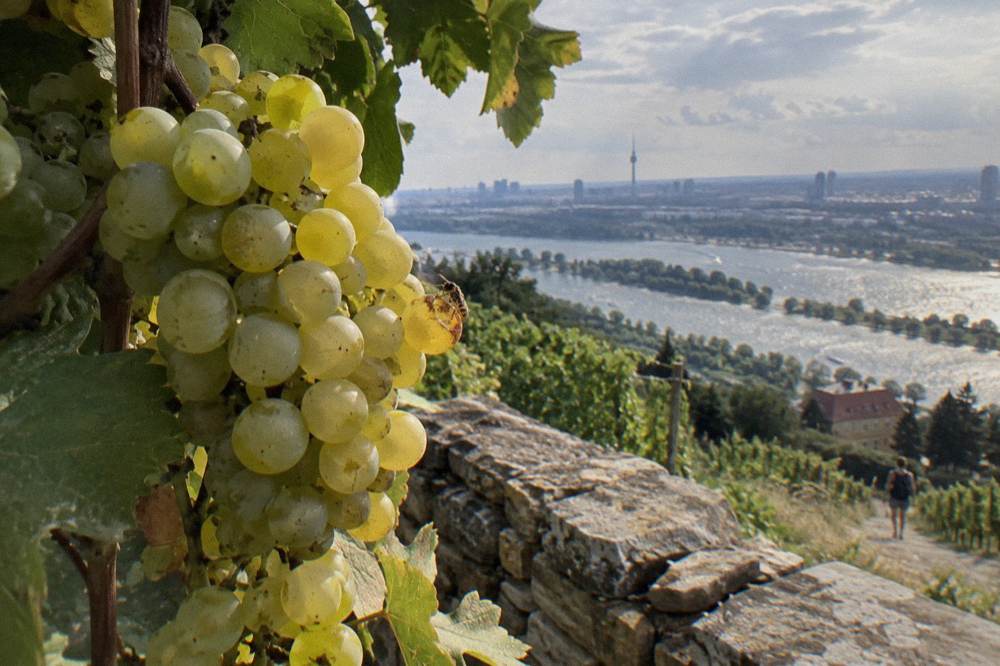
Can You Visit The Wachau Or Krems On Your Own?
Yes, the Wachau and Krems are reachable without a guide, by train along the Danube and by boat in the warmer months, and independent travel suits confident travellers who want to linger in one village rather than sample several. The trade-offs are real: you organise every tasting yourself, wineries in the valley often prefer or require appointments, and a day of trains and boats with wine on board needs a plan. Guided tours exist precisely to remove that friction.
Krems is the practical anchor for a self-guided day. It is the Wachau's gateway town, with its own old town and the wine education center that carries the region's name, and the surrounding valley villages line the river west of it. The details that matter for a self-guided day, exact train connections, sailing schedules and winery opening practices, shift with the season, so treat any timetable you read here or elsewhere as something to confirm before you travel; the guidance in the site's overview of tickets and getting around Vienna covers the city end of the journey.
The honest comparison is about friction, not possibility. Independent travellers get to spend three hours in one village if they want to; guided travellers get a driver, a booked tasting and a narrative that explains what the terraces are. Wine regions are also working farms: an appointment culture exists, and turning up unannounced at a small producer can mean a closed gate. A guided trip quietly solves that, which is part of what the price buys.
A middle path is worth naming. The Vienna Coffee Festival, whose 2027 edition runs 10 to 12 September at Marx Halle, and the MondoVino wine and gourmet festival on 13 and 14 November 2026 at the same venue, both bring producers to the city, letting you taste widely without leaving Vienna. They are not substitutes for the Wachau landscape, but they are a genuine alternative for a rainy day or a packed itinerary.
What Should You Budget For A Wine Day Trip From Vienna?
Start with the per-person tour price shown on each live listing, then budget beyond it for additional glasses past the included tasting, lunch where it is not included, and the operator's cancellation terms. The half-day countryside tour states an included meal, the clearest value marker; the two full-day trips do not state food inclusions, so check the booking page before you set your total.
The reason this guide does not print the prices in a table is simple: per-person tour pricing changes, and the figure worth trusting is the one on the operator's live listing at the moment you book. What stays stable is the structure. All three trips are per-person products. The half-day includes a meal. The Wachau trip includes a tasting and runs 8 hours 30 minutes. The Vienna Woods trip runs a full 8 hours.
| Cost line | What to expect | Where to confirm |
|---|---|---|
| Tour price | Per person, on the live listing, varies by date | Operator's booking page |
| Included tasting | Stated for the Wachau trip; check specifics for the others | The listing's inclusions section |
| Meals | Included on the half-day countryside tour; not stated for the two full-day trips | Booking page before booking |
| Extra glasses and souvenirs | Pay as you go; tastings beyond the included pour are yours to buy | On the day |
| Cancellation and pay-later terms | Vary by operator; read before booking | Booking page terms section |
Local spending inside wine country runs in euros, and the reported norms for traditional wine tavern buffets give a planning range: a self-service cold plate at a neighbourhood spot usually runs around 6 to 12 euros, an evening total often lands between 8 and 15 euros, and a small glass of wine, an Achtel, is typically around 3 to 5 euros, all reported 2026 guidance rather than fixed prices, so check the room on the day. The general Austrian lunch-menu custom, the Mittagsmenue, can also soften a midday stop, though prices are set venue by venue.
Two small etiquette notes carry over from the city and apply on the road. Tipping in Austria runs 5 to 10 percent at restaurants, and in coffee houses and casual wine rooms you round up or leave about 0.50 to 1 euro. A cover charge, the Gedeck, of 2 to 5 euros per person appears in traditional venues and is only legal if it is listed on the menu. The site's guide to tipping in Vienna restaurants and cafes covers the full ritual.
How Do You Choose Between A Wine Day Trip And A City Tasting?
Choose a day trip when the landscape is the point and you have a full or half day free; choose a city tasting when wine is the point and time is short. Vienna's cellar, Heuriger and market tasting options run from 45 minutes to 2.5 hours, so the city end of the scale is dramatically cheaper in time even when the tasting quality is comparable, and the deciding factor is usually whether the Danube terraces matter to you.
The city's own tasting menu is deeper than most visitors expect. A private hidden wine cellar tasting runs 45 minutes, an Austrian wine tasting session runs 2 hours, a hidden cellars experience runs 2.5 hours, and a wine tasting tour of the city runs the same 2.5 hours. None of them shows you the Wachau, but all of them fit into an evening or a gap between museums, and they cost a fraction of a day. The site's comparison of which Vienna food walk to book handles the food-side version of the same question.
The cleanest way to decide is to ask what you will remember in a year. If the answer is a river valley with vines on the walls of it, book the Wachau day. If the answer is a good glass of Grüner Veltliner with a snack, a city tasting does that with three hours instead of nine. And if you genuinely cannot choose, the half-day countryside tour is the compromise product: real wine country, an included meal, and you are back in Vienna for dinner.
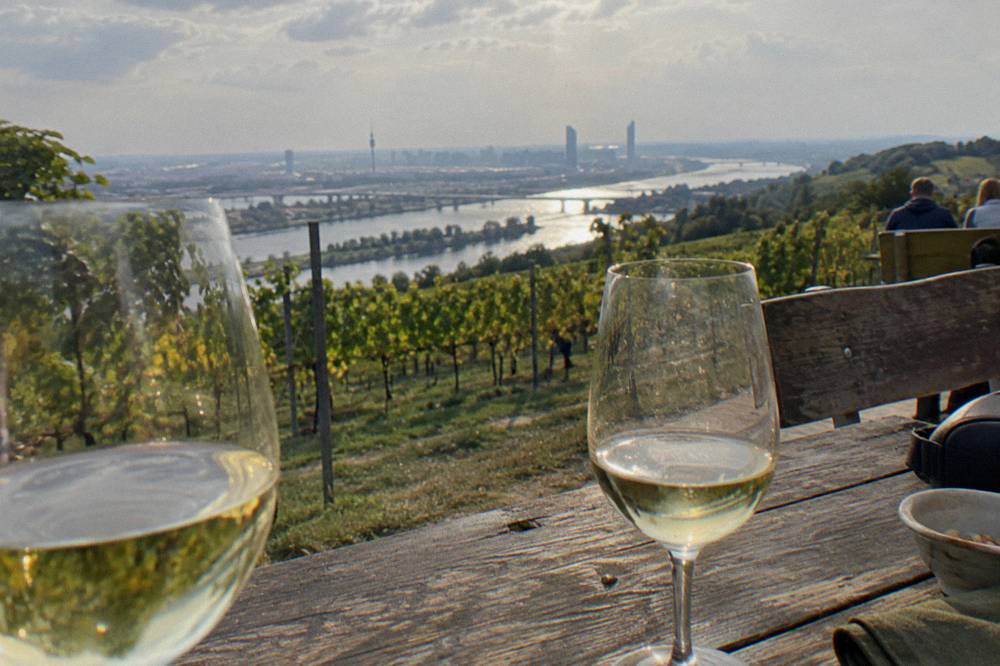
One seasonal tiebreaker: if your trip falls between mid November and late December, the city pulls you back anyway. Vienna's Christmas markets open across 15 locations with 814 stalls in total, per the city's own announcement, from early and mid November through Christmas, and the evenings those markets fill are evenings you will not want to spend on a return transfer from wine country. A wine day trip plus a market evening, on separate days, is the strong late-autumn itinerary.
The Vienna Woods tour is the pick for travellers who want the full-day rhythm without the long haul to the Danube: it runs 8 hours through the hills west of the city, and the listing frames it around wines, vines and an easy-going group mood. Like the Wachau trip, its food inclusions are not stated in the listing, so read the booking page before you decide how much cash to carry. Paired with a morning coffee house stop on your return, it makes a complete Vienna food day in a single move, and the site's coffee house culture guide is the natural companion read for that half of the plan.
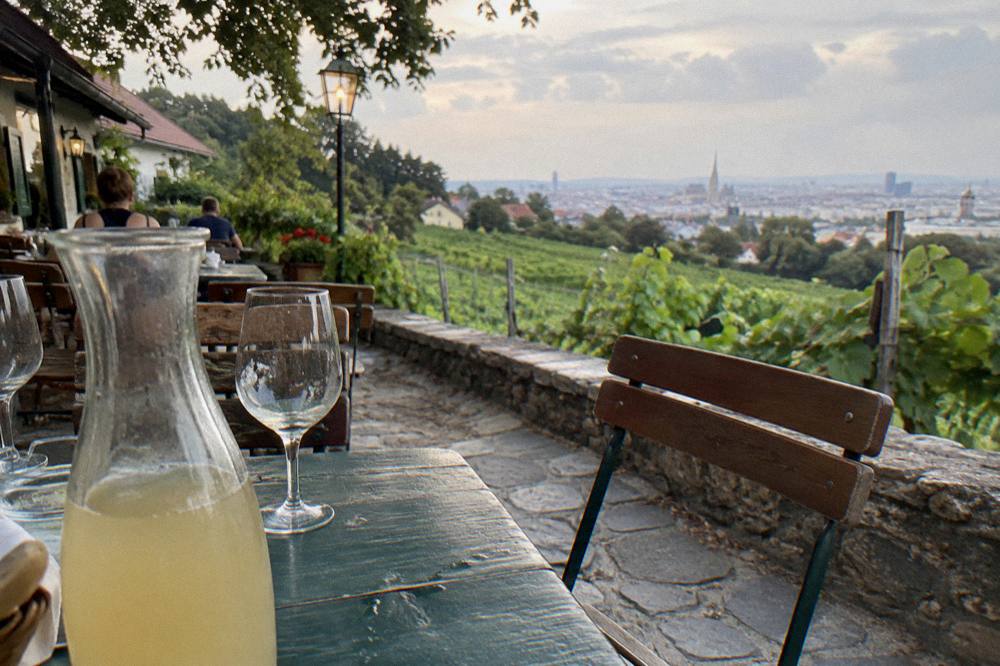
However you structure it, keep the booking mechanics simple: confirm the pickup point, the food situation and the cancellation terms on the live listing, then let the operator handle the road. The 2026 vintage, smaller in volume but praised for quality, will be in the glass either way.
Common Questions About Wine Day Trips From Vienna
How Long Is The Wachau Valley Day Trip From Vienna?
The Wachau Valley small-group tour with wine tasting runs 8 hours 30 minutes, per its listing, which makes it a full-day commitment. The half-day countryside wine tour runs 4 hours, and the Vienna Woods wine tour runs a full 8 hours.
Is Food Included On The Wine Day Trips?
The half-day countryside wine tour states an included meal and pickup. The Wachau trip and the Vienna Woods trip do not state food inclusions in their listings, so check the booking page and plan for lunch arrangements accordingly.
When Is The Wachau Grape Harvest?
The Wachau grape harvest period typically runs early or mid October to mid November, weather dependent, as reported by the region's event calendar. The 2026 harvest was early, with yields down but quality described as very good.
Can You Do The Wachau From Vienna Without A Tour?
Yes. The valley and its gateway town Krems are reachable independently by train along the Danube and by boat in the warmer months. You will need to arrange tastings yourself, and small producers often prefer appointments, so a guided trip removes real friction rather than inventing it.
Is A Wine Day Trip Or A City Tasting Better?
It depends on time and what you want to remember. City cellar and tasting experiences run 45 minutes to 2.5 hours and fit an evening; the day trips trade that efficiency for the Danube valley or Vienna Woods landscape. Short on time, choose the city tasting; chasing scenery, choose the day trip.
What Should A Wine Day Trip Cost From Vienna?
Per-person prices for all three trips are on each operator's live listing and vary by date, so check there before budgeting. Extras to plan for include additional glasses beyond the included tasting and lunch where it is not included; tavern buffets in wine country typically run around 6 to 12 euros for a cold plate, reported guidance, check the room on the day.