What A Food Walk In Vienna Costs And What Is Included
Food walk prices in Vienna span a wide band, and the sticker figure rarely tells you what you will actually spend by the end of the day. Here is how to read a price, what it should include, and which extras catch people out.
Short answer
Guided food walks in Vienna run roughly two and a half to five and a half hours, with prices set per person on each operator's live listing; the longest walks that include a full lunch and several drinks sit at the top of the band. Check the listing for the current figure, the meeting point, and exactly which tastings and drinks are included before you book.
Food walks are the easiest way to eat well in Vienna on a tight schedule, but they are also the category where the advertised price and the final spend drift apart fastest. A walk that looks cheaper can leave you buying your own drinks at every stop; a walk that looks expensive can cover a full lunch, three drinks and a guide's commentary from the first minute to the last. Reading the price properly is a skill, and this page is built to teach it.
The honest starting point: this site does not print a live number for each walk, because operators adjust prices seasonally and by demand. Every figure for a specific walk belongs on its booking page. What can be nailed down firmly is the structure around the price: which formats exist, how long they run, what the title of each listing tells you about inclusions, and which costs in Vienna catch visitors out once the walk is over. That structure is what follows.
What Does A Food Walk In Vienna Actually Cost?
A guided food walk in Vienna costs whatever the operator's live listing shows on the day you book, quoted per person, and the honest answer is that the band is wide: short market and coffee-house walks of two to three hours sit well below the five-hour-plus walks that build in a full lunch, multiple drinks and a longer route. The duration and the inclusions, not the brand, drive the figure.
The bookable walks in the city split into recognizable price tiers by format alone. At the short end sit two-hour market walks and ninety-minute tasting sessions, where you are paying mainly for a guide's knowledge and a handful of small tastings. In the middle are the three to three-and-a-half hour walks, the most common format in the city, which typically visit several stops and include enough food to stand in for a meal. At the top are the five to five hours thirty minutes walks that combine markets, coffee houses, a seated lunch and street food into a single ticket, plus full-day wine-country excursions that add transport out of the city.
What matters for your budget is that the tiers are not subtle. A five-and-a-half-hour walk that includes lunch and street food is not "a bit more" than a two-hour market stroll; it is a different product that replaces a meal and several drinks you would otherwise buy separately. When comparing, the first question is never "which is cheaper" but "which of these replaces spending I was going to do anyway".
Which Price Band Fits Which Kind Of Food Walk?
Match the band to the job: a two-hour market walk suits a first morning orientation, a three-and-a-half-hour tasting walk replaces lunch or dinner, and the full walks of five hours or more replace a meal plus drinks plus a self-guided afternoon. Paying for the long walk only pays off if you would otherwise do all three separately, and the format names on each listing tell you which is which.
The listing titles themselves are more informative than most people expect. A walk whose title promises seven tastings and a secret dish is selling quantity and novelty; the count is in the name because it is the product. A walk titled around coffee houses and pastries is selling heritage and sitting time, and will move slower and eat sweeter. A walk that names lunch, street food and drinks together in its title is the full-meal format, and its price has to be read against the cost of a restaurant lunch plus several drinks plus a guide, not against a snack tour.
Use the format table below to anchor which kind of walk you are actually looking at, based on how the city's products are structured. Durations and inclusions come from the listings themselves; the current price for any single walk is on its booking page.
| Format | Typical length | What the listing usually names | Best fit |
|---|---|---|---|
| Market walk | About 2 hours | Naschmarkt, tastings at stalls | First morning, market shoppers |
| General tasting walk | 3 to 3.5 hours | Several tastings, a secret dish, city centre | Replacing one meal |
| Full-day walk | 5 to 5 hours 30 minutes | Coffee houses, markets, lunch, street food, drinks | One big food day |
| Coffee-house walk | 3 to 3.5 hours | Pastries, bites, local stories | Slow afternoon, cake fans |
| Evening walk | About 4 hours | Dinner, wine, cocktails, small group | Night out with a guide |
Within the general tasting band, the full meal walking walk by Do Eat Better is a good example of the format doing what its title says: three and a half hours built around a complete meal rather than scattered snacks, with the food counted into the ticket. Its current price is on the operator's live listing. If your plan is "one proper food experience, then fend for myself", this is the band to book.
Comparing their listings side by side, with durations and named inclusions, is the fastest way to see what the extra money buys.
What Is Usually Included In The Price?
Inclusions follow the listing title in Vienna: walks that name lunch, drinks or a tasting count include them, walks that only name the route or the neighbourhood generally do not, and the booking page's inclusions list is the final word. Food-tasting counts, the number of drinks, and whether a seated meal is part of the walk are all stated on the listing before you pay, so read that list, not the photos.
The safest habit is to treat every word in a listing title as a claim about inclusions. The five hours thirty minutes walk that names coffee houses, markets, lunch and street food in its title is selling all four; the authentic-format walk that names lunch, street food and three drinks is promising exactly those three components plus a guide. When a title names a tasting count, like seven tastings plus a secret dish, that count is the product's spine, and a listing that names no count at all is telling you the stops may flex with the day.
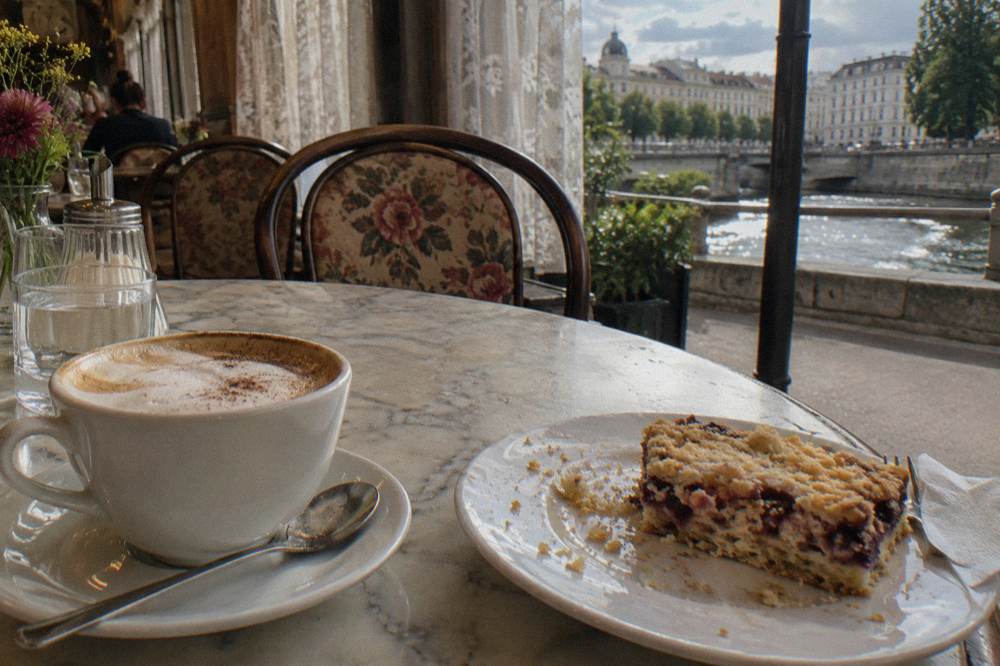
Drinks deserve special attention because they are the most common gap. Some walks include a fixed number of drinks, usually stated in the title; others include tastings only, which means every coffee, beer or glass of wine along the way comes out of your pocket at Viennese cafe prices, where a Melange at the classic houses runs around 6.90 euros reported, and a slice of Sachertorte at the big-name cafes runs from roughly 8.50 to 11.50 euros reported depending on the house. Two drinks bought separately at those prices can erase the difference between a cheaper and a pricier walk.
| Inclusion | Walks that state it | How it appears in the listing |
|---|---|---|
| Full lunch | Long-format and authentic-format walks | Named as "lunch" in the title |
| Fixed drinks count | Walks with "3 drinks" or similar in the title | Explicit number |
| Tasting count | Tasting-focused walks | "7 tastings", "secret dish" |
| Coffee-house stops | Coffee-house and full-day walks | Pastries and coffee named |
| Market stops | Market and full-day walks | Naschmarkt named |
| Dietary swap | First food walk, authentic walk, private walk | Message the operator first |
Dietary needs are the one inclusion question the title cannot answer. The listings that state a vegetarian lunch option are the long general walk, the authentic-format walk and the private walk; no listing in the city states a vegan or gluten-free option outright. If you eat vegan or gluten-free, message the operator before booking rather than assuming, and the same goes for allergies. The coffee-house format is worth a separate word for anyone weighting the decision toward cake: the Vienna coffee house culture guide explains the heritage these walks trade on, recognized on Austria's national inventory of intangible cultural heritage in 2011, and the cake and pastry guide covers what you will actually be eating stop by stop.
How Does Group Size Change What You Pay?
Group size changes the price in two directions at once: private walks cost more per person because you are buying the guide outright, while small-group formats charge a premium over large-group walks in exchange for pace and access, and evening small-group walks sit at the top of the shared-walk band. Vienna's listings run from shared groups through "small groups" to fully private tours, and the price ladder follows that line. If you're leaning toward the private end of that ladder, our guide to booking a private food walk in Vienna walks through pricing, dietary adjustments, and what your booked day actually covers.
The private format is the clearest case. A private walk with six or ten tastings, as one Vienna listing structures it, is priced per group or per person at a premium, and what you buy is control: your pace, your dietary swaps, your questions. For a family or a group of four friends splitting the cost, private can land closer to a shared walk per person than people expect, which is why the per-person math, not the headline figure, is the number to run.
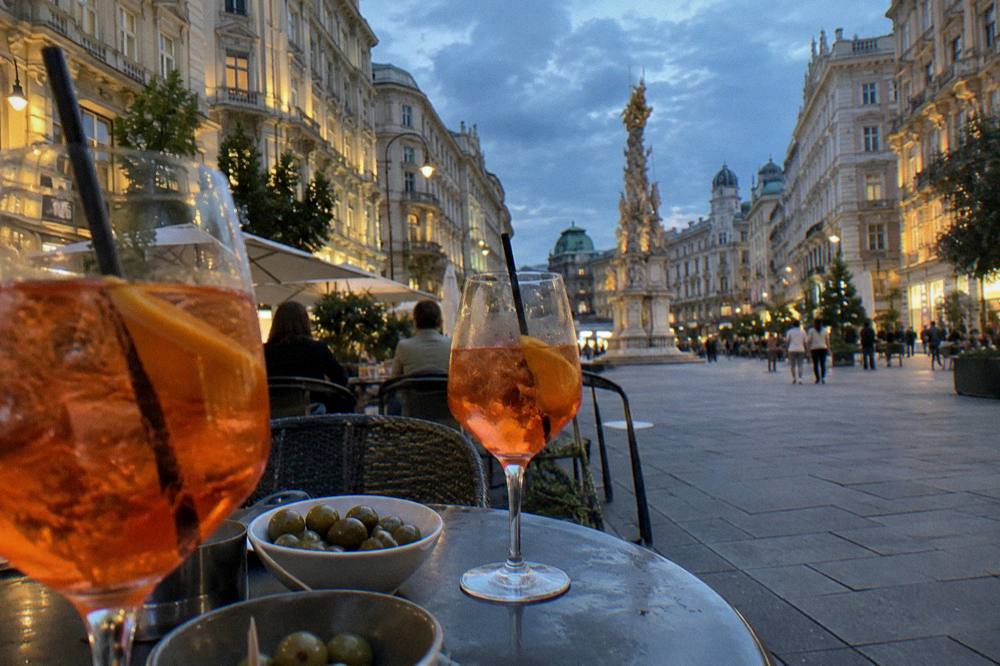
At the shared end, size still matters even when the price tag looks identical. A small-group evening walk built around dinner, wine and cocktails moves at table pace and can fit into tighter venues; a large-group market walk moves at crowd pace and spends more time standing. Neither is worse, but they are different products at similar-looking prices, and the "small group" phrasing in a listing title is the signal of which one you are getting. The evening format in particular bundles dinner and drinks into one ticket, which makes it the closest thing the city has to a night out with a fixed bill.
The featured walk on this page, the guided walk with seven food tastings and a secret dish, runs three and a half hours in the shared format and can be read in full on its tour page here. It is a useful benchmark for the whole category: the tasting count is fixed and named, the duration is mid-band, and its current price and meeting point are on the booking page. If a walk you are comparing costs meaningfully more, ask what the extra buys; if it costs less, ask which meal it does not replace.
The coffee-house walk above is the small-group idea applied to the afternoon: three and a half hours, pastries and bites included, stories in the title as a promise of what the guide brings. It suits travellers who want the sitting-down half of Viennese food culture rather than the street half, and its live price sits on the operator's page.
What Extra Costs Should You Budget For In Vienna?
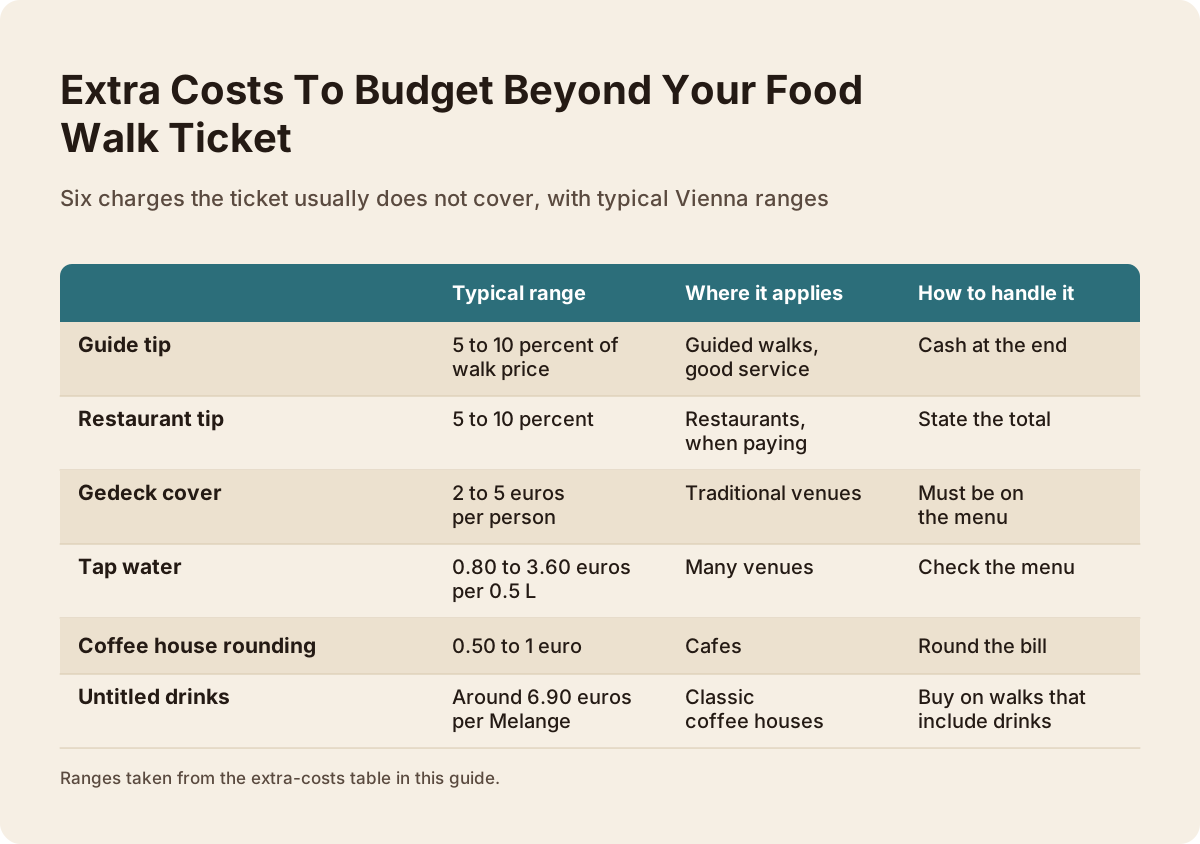
Budget beyond the ticket for three things: drinks not named in the listing, tips, and the small charges Viennese venues add to bills, notably a 2 to 5 euro Gedeck cover charge in traditional restaurants and paid tap water at many venues. The walk ticket itself is per person as quoted, but a two-euro here and three-euro there pattern is normal across a food day in this city.
Start with tips, because Austrian custom is specific. Restaurant tipping runs 5 to 10 percent, and the local ritual is to state the total you want to pay when the bill arrives rather than leaving cash on the table; in coffee houses, rounding up or adding 50 cents to a euro is the norm. For a guided walk, the same restaurant logic is the common practice: if the guide did well, a tip in that range on the walk price is the courteous move. None of this is compulsory, but it is expected for good service, and it belongs in the day's budget from the start.
Then the venue charges. The Gedeck, a cover charge of 2 to 5 euros per person in traditional and upscale venues, covers bread and table setting and is legal only when printed on the menu; you pay it whether you eat the bread or not. Tap water is the sneakier one: Austrian venues may charge for Leitungswasser if the price is on the menu, and a 2026 sample of 30 Vienna venues by the Arbeiterkammer found 23 charged for it, at 0.80 to 3.60 euros per half litre. The rule of smoke-free dining rooms since 1 November 2019 is at least one venue cost you will not run into; Austrian gastronomy has been fully smoke-free indoors since that date.
| Extra | Typical range | Where it applies | How to handle it |
|---|---|---|---|
| Guide tip | 5 to 10 percent of walk price | Guided walks, good service | Cash at the end |
| Restaurant tip | 5 to 10 percent | Restaurants, when paying | State the total |
| Gedeck cover | 2 to 5 euros per person | Traditional venues | Must be on the menu |
| Tap water | 0.80 to 3.60 euros per 0.5 L | Many venues | Check the menu |
| Coffee house rounding | 0.50 to 1 euro | Cafes | Round the bill |
| Untitled drinks | Around 6.90 euros per Melange | Classic coffee houses | Buy on walks that include drinks |
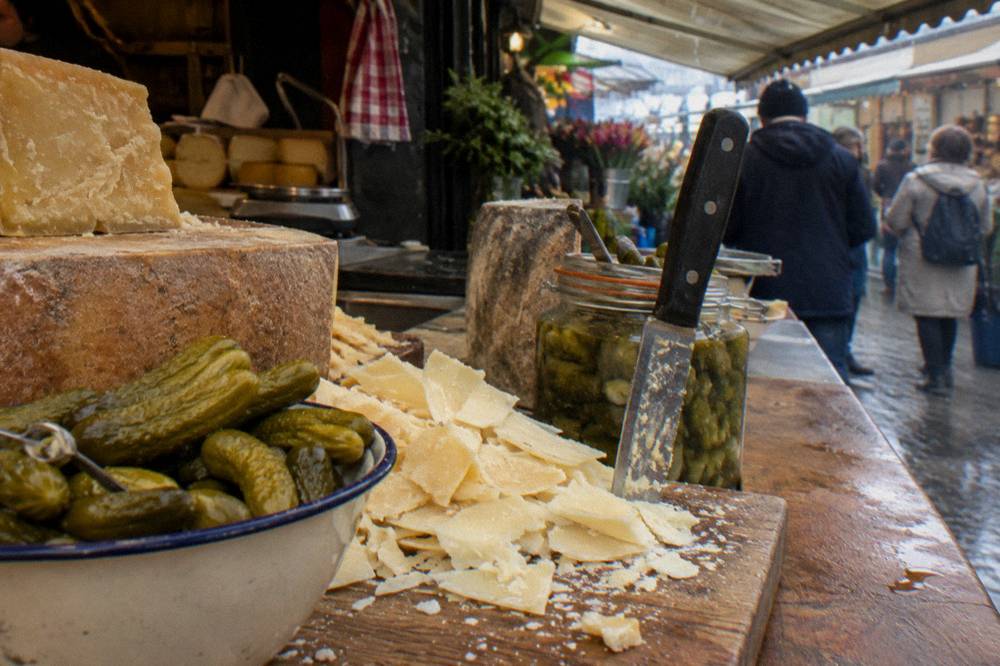
Getting to the walk is usually cheap or free of surprises, since meeting points cluster in the centre and at the Naschmarkt, whose official stand hours run to 21:00 on weekdays and 18:00 Saturdays per the City of Vienna's market page. The meeting points guide covers the common ones district by district. One construction note worth knowing: the wider Naschmarkt redevelopment has slipped to a planned completion in February 2027, so the market's layout is still in transition and some stands sit in temporary positions, as Austrian press reported. The market is fully open for business; it just looks like a building site at the edges.
How Do You Compare Food Walks Before Booking?
Compare walks on four fixed points before looking at price: duration, named inclusions, group format and the cancellation terms on the listing, in that order. Two walks three hours apart in length are not comparable products, and a walk that names its drinks and lunch is selling a different bill from one that names only its route. The booking page, not the summary photos, carries all four answers.
Run the comparison in that order because each filter kills more confusion than the one after it. Duration first: a 2 hour 45 minute first-day orientation walk and a 5 hour 30 minute full walk could share a neighbourhood and still share almost nothing else. Inclusions second: list what each title names, and treat anything unnamed as not included. Format third: shared, small-group or private. Price last, and only per hour of walking with the inclusions side by side, because per-hour cost is the only figure that normalizes a 45-minute cellar tasting against a five-hour full-day walk.
The cancellation line is the quiet differentiator. Many Vienna listings offer free cancellation up to a day or so before departure, and that flexibility has real value if your itinerary is not fixed: a walk you can cancel for free is a placeholder you can book now and rebook later. Check the terms on the operator's page for the specific date, because the window can differ between products from the same operator. Pay-later options, where offered, work the same way: they cost nothing if you use them and buy you the right to change your mind.
| Comparison point | Where to read it | What to look for |
|---|---|---|
| Duration | Listing title and details | 2 to 5 hours 30 minutes band |
| Inclusions | Inclusions list | Tasting count, lunch, drinks |
| Group format | Listing details | Shared, small group, private |
| Meeting point | Listing details | Centre, Naschmarkt, named square |
| Cancellation | Booking terms | Free cancellation window |
| Dietary note | Operator message | Ask before booking |
Wine deserves its own line in any comparison, because the wine formats break the food-walk pattern entirely: a 45-minute private cellar tasting and an 8-hour Vienna Woods tour with wine both sit in the same category but share nothing with a lunch walk. The wine tasting and wine tour options guide breaks that category down separately, and the Vienna Food Tours homepage indexes every format by price and duration. If your comparison comes down to a general tasting walk versus a wine-focused evening, the deciding question is whether you want a meal or a tasting, not which is the better deal in the abstract.
What Does A Good Value Food Day In Vienna Look Like?
A good value food day uses one big booked walk as the anchor and fills the gaps with the city's cheap or free food infrastructure: the Naschmarkt is free to browse, a first-day orientation walk costs little and pays for itself in saved mistakes, and classic coffee houses charge cafe prices you can read off the menu before you sit down. The expensive version of Vienna is the one you improvise with no plan.
The anchor-first approach works because Vienna's walks overlap less than they appear to. Book the long morning-to-afternoon walk that includes lunch and markets, and you have covered the Naschmarkt, a coffee house and street food in one ticket; the evening is then free for a simple sausage stand dinner, which costs a fraction of a restaurant and is a food tradition in its own right. Reverse it, book an evening dinner-and-drinks walk, and your daytime eating can be a market browse plus one grand cafe sitting, where a Melange and a slice of cake at the classic houses runs around 6.90 euros and 8.50 to 11.50 euros reported respectively, a known bill before you order.
Free and cheap pieces worth building around: the Naschmarkt's stalls cost nothing to enter and browse, and the Saturday flea market alongside it runs roughly 6:30 to 15:00. The Vienna Wine Hiking Day, which was free entry with paid tastings on 26 and 27 September 2026, has passed for this year. For structure on the cheap end of eating, the what to eat in Vienna guide covers the dishes worth ordering by name, and the tipping and etiquette guide keeps the bill-ending rituals from surprising you. A useful budget for a full food day, anchor walk included, is the walk price plus 10 percent for the guide tip, plus 15 to 25 euros for any unticketed coffee-house sitting or evening snack, and a small buffer for a Gedeck if dinner lands in a traditional venue.
Common Questions About Food Walk Prices In Vienna
How Much Does A Food Walk In Vienna Cost?
Prices are quoted per person on each operator's live listing and vary by format: two-hour market walks sit at the low end, three-and-a-half-hour tasting walks in the middle, and the walks of five hours or more that include lunch and drinks at the top. Check the booking page for the current figure rather than relying on a printed number.
Are Drinks Included In Vienna Food Walks?
Some are, some are not. Walks that name a drinks count in the title, such as "3 drinks", include them; walks that name only tastings generally do not. If drinks matter to your budget, filter for listings that name them, because cafe drinks in Vienna add up quickly at around 6.90 euros for a Melange at the classic houses.
Do I Tip The Guide On A Vienna Food Walk?
Yes, if you were happy with the walk. Austrian custom is 5 to 10 percent for good service, and cash at the end of the walk is the normal way to hand it over. It is not compulsory, but it is expected for a guide who did well.
Is A Private Food Tour Worth The Higher Price?
It depends on your group size and dietary needs. Private walks, such as the 6 or 10 tasting format, give you control over pace and menu, and for four or more people the per-person gap over a shared walk narrows. Vegetarian options are explicitly stated on the long general walk, the authentic walk and the private walk; for vegan or gluten-free needs, message the operator before booking.
What Hidden Costs Should I Expect On A Food Day In Vienna?
Budget for a 2 to 5 euro Gedeck cover charge in traditional venues, possible charges for tap water, which a 2026 sample found at 23 of 30 venues, and any drinks not included in your walk. Smoking is banned indoors in Austrian gastronomy since November 2019, so that at least is never a surprise on the bill.
Can I Cancel A Vienna Food Walk If My Plans Change?
Many Vienna listings offer free cancellation up to roughly a day before departure, and some offer pay-later booking. The exact window differs between products, so read the cancellation terms on the operator's page for your specific date before you rely on it.