Free Things To Do In Vienna And Eating Well On A Budget
Vienna has a reputation for strudel-and-Sacher prices, but a surprising amount of the city's food culture costs nothing to enjoy, and the rest can be eaten cheaply with a little local knowledge.
Short answer
Yes, Vienna can be done cheaply. The GuruWalk free walking tour of the centre is pay-what-you-want, Naschmarkt and the city's other markets are free to browse, and cheap eating comes from Heuriger buffets (around 6 to 12 euros a plate, reported), lunch menus and classic sausage stands. A paid tasting is worth it when you want stops a self-guided day cannot arrange.
What Can You Do In Vienna For Free?
The free list in Vienna is longer than most visitors expect: the GuruWalk pay-what-you-want walking tour of the centre, browsing every market in the city including the Naschmarkt, walking the vineyard hills of Nussdorf and Grinzing, the Christmas market squares in season, and most of the historic coffee house interiors, which cost nothing to walk into and look at. Food is the one category where "free" mostly turns into "cheap", but even there the floor is low. A self-service plate at a neighbourhood Heuriger runs around 6 to 12 euros, reported, and a lunch menu on a weekday can undercut any restaurant dinner in the same building.
Start with the geography. Vienna's free pleasures are concentrated and walkable. The inner ring, from the Opera to the Danube Canal, takes under an hour to cross on foot. The market chain along the Wienzeile, the vineyard edge in the 19th and 21st districts, and the museum quarter's courtyards form three clusters that each reward a half day. None of them charges admission. The Naschmarkt's official rules, published by the City of Vienna, set trading hours rather than entrance fees: sales stands may trade Monday to Friday up to 21:00 and Saturdays up to 18:00, and every stand must be open Tuesday to Friday between 15:00 and 18:00. You can read the full official framework on the city's Naschmarkt page.
| Free activity | Where | What makes it free |
|---|---|---|
| GuruWalk centre walking tour | Minoritenplatz meeting point | Pay-what-you-want, tip the guide |
| Naschmarkt browsing | Wienzeile, 4th and 6th districts | Markets charge no admission |
| Vineyard paths | Nussdorf, Grinzing, Stammersdorf, Mauer | Public hillside trails |
| Christmas market squares | 15 locations across the city | Entry free, only food and drinks paid |
| Coffee house interiors | Ringstrasse and inner districts | Free to enter and look around |
The seasonal calendar matters. The Vienna Wine Hiking Day in 2026 ran on 26 and 27 September, with free entry and four routes of 4.5 to 10.8 km through working vineyards in Nussdorf, Stammersdorf, Ottakring and Mauer; only the tastings along the way cost money, and that edition has passed. The Christmas markets, confirmed by the City of Vienna at 15 markets and 814 stalls for 2026, are free to enter from 13 November at Rathausplatz through to late December, and wandering them with a window on the gluhwein queues costs nothing. If your trip lands between events, the default free day is a market in the morning and the vineyard paths above Nussdorf in the afternoon, reached on foot or by tram without any ticket to a sight.
Budget travellers should also know what is not free but is cheap in a specifically Viennese way. Tap water, famously, may be charged: a 2026 Arbeiterkammer sample of 30 Vienna venues found 23 charged for it, often 0.80 to 3.60 euros per half litre, and only three offered it unconditionally free. The Gedeck, the traditional cover charge of 2 to 5 euros per person in classic restaurants, is legal only if printed on the menu. Neither ruins a budget day, but both surprise visitors who assumed bread and water came with the table. The etiquette around both is covered in the restaurant etiquette and Gedeck guide.
Is The GuruWalk Free Walking Tour Of Vienna Really Free?
Yes, in the pay-what-you-want sense. The Free Walking Tour Through The Center Of Vienna on GuruWalk runs about 2 hours 15 minutes in English, meeting at Minoritenplatz 8, and costs nothing upfront: you tip the guide at the end whatever the walk was worth to you. It is rated 4.95 across 3,287 reviews on GuruWalk, which is one of the largest review pools of any walk in the city. "Free" here always means pay-what-you-want, not a refund trick or a shopping detour, and that distinction is worth holding onto as you plan.
Be clear about what this walk is and is not. It is a general city-centre walk: history, architecture, the Ringstrasse story, the laneways around the Hofburg. It is not a food walk, and it includes no tastings, no market stop and no coffee house sit-down. If your budget day is built around eating, this tour covers the morning orientation and leaves the afternoon for the market and the Heuriger. Two hours and fifteen minutes at a walking pace covers the compact centre well, and the Minoritenplatz meeting point sits two minutes from the U3 Herrengasse station area, easy to reach from anywhere central.
See this free tour on GuruWalk
The honest gap is the tasting. A free walk tells you where the sausage stands and the coffee houses are; it does not walk you into them with a plate and a glass included. That is exactly what a paid guided food walk adds: the Naschmarkt stops with food in hand, the coffee house sit-down with cake on the table, and, on longer walks, a full lunch and drinks folded into the price. For a budget traveller this is the one upgrade worth considering, and the rest of this guide separates when it pays for itself from when it does not.
If you would rather fill the free-walk slot yourself, the centre is genuinely easy to self-guide: Minoritenplatz itself, the Freyung passageways, the am Hof square and the Danube Canal murals make a two-hour loop with no ticket needed. What you lose is the storytelling, and on a first visit that storytelling is the product the guides are being tipped for.
Where Can You Eat Cheaply In Vienna Without Missing Out?
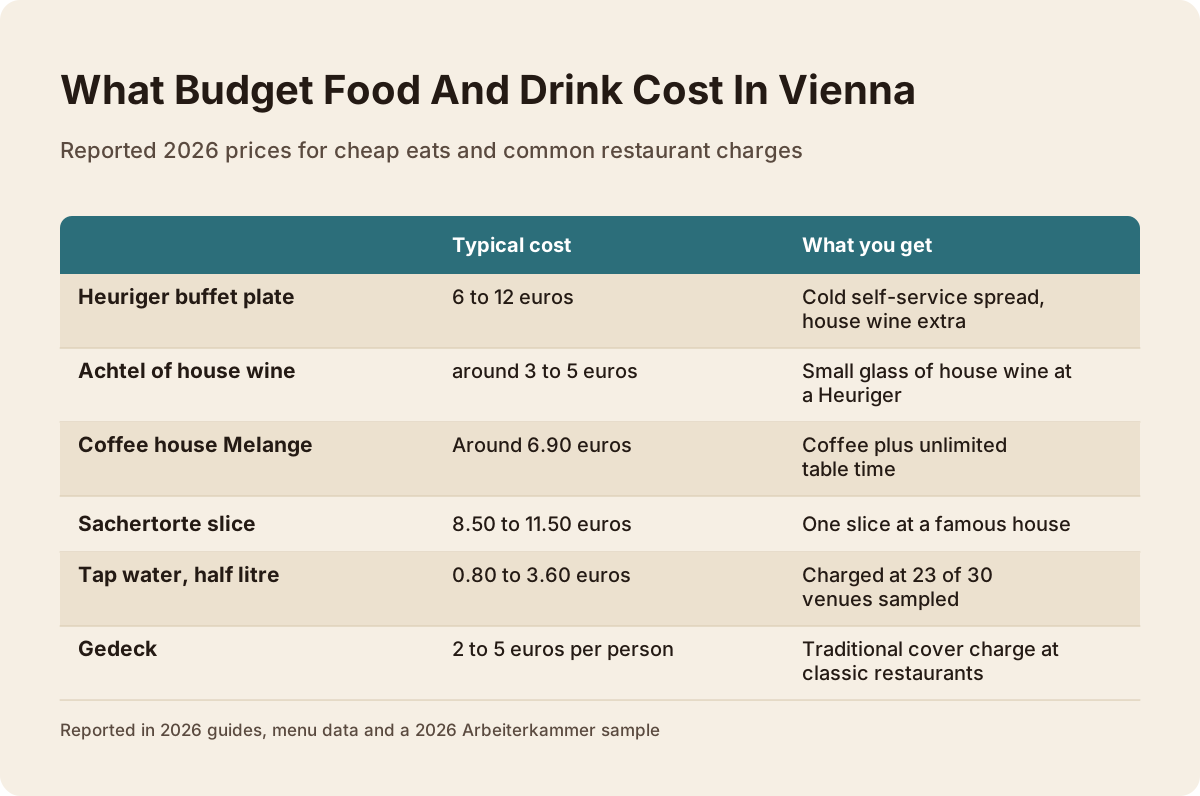
The cheap-eat floor in Vienna sits around 6 to 12 euros for a self-service Heuriger buffet plate, reported in 2026 guides, with an Achtel of house wine at around 3 to 5 euros; below that, the sausage stands sell Kasekrainer and Bosna classics for a few euros, and a weekday lunch menu, the Mittagsmenue, is the city's quietest money-saver. None of these are consolation prizes. The Heuriger buffet is a Viennese institution, the Wurstelstand is listed by the Vienna Tourist Board as part of the city's recognised food culture, and the lunch menu exists because locals use it daily.
The Heuriger deserves the first explanation, because visitors routinely misprice it. A genuine Heuriger serves only wine from its own vineyards and is marked by a pine branch and an Ausgsteckt sign over the door; the Vienna Tourist Board's official Heuriger page explains the system. You take a plate at the cold buffet, load it, and pay by the plate. Local norms reported in 2026 put the typical self-service plate at 6 to 12 euros, with an evening total of 8 to 15 euros at neighbourhood spots, and an Achtel, an eighth of a litre, of the house wine at 3 to 5 euros. Tourist-oriented houses in Grinzing run higher, so the plate price on the buffet label is the number to read before loading. The wider Heuriger customs, including the seasons and the districts, are laid out in the Heuriger visitor guide.
The sausage stand is the other pillar. Vienna's Wurstelstand culture is cited by the tourist board alongside coffee house culture as recognised heritage, and a Kasekrainer with bread and mustard is one of the cheapest hot meals in the city. Prices at individual stands vary, so read the board before ordering. For a fuller picture of what to order and how, see the Vienna street food and Wurstelstand guide.
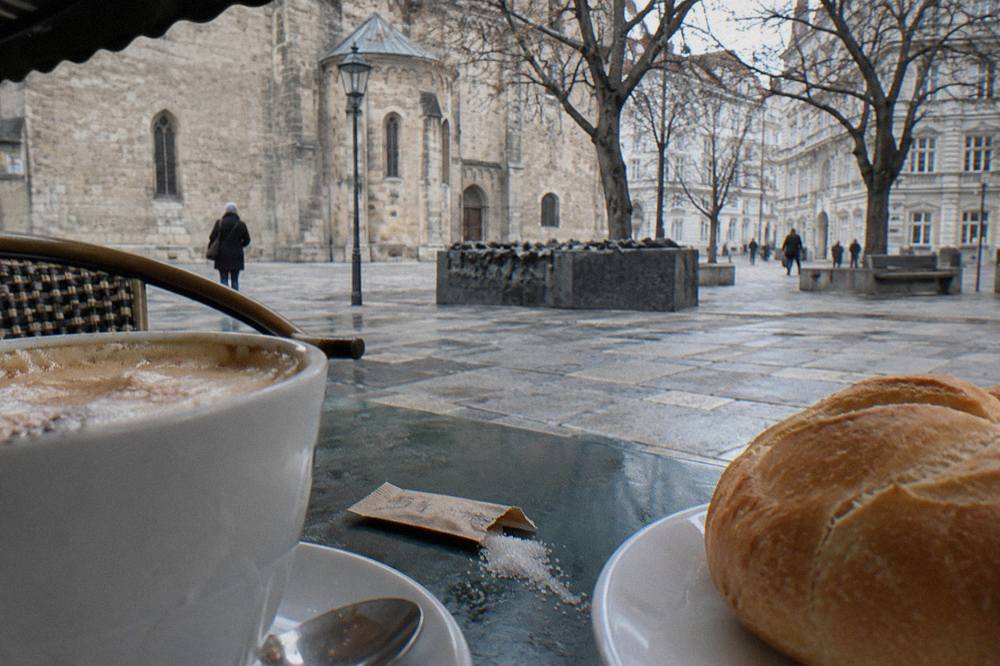
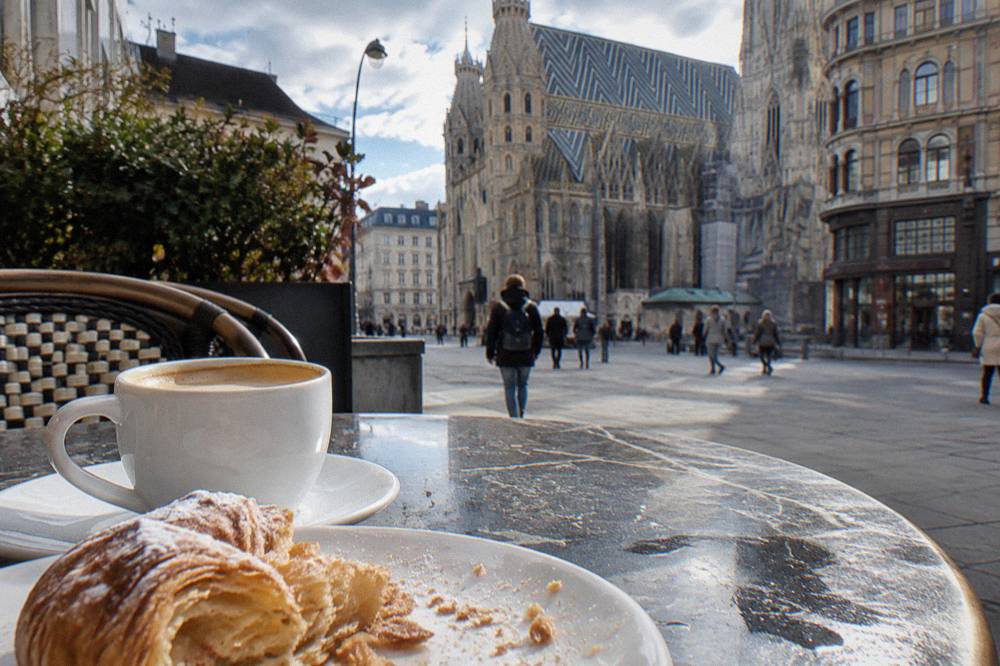
Coffee houses sit in a middle band. The classic houses charge around 6.90 euros for a Melange, a slice of Sachertorte at Demel is listed at 8.50 euros, with Hotel Sacher's Original at 11.50 euros. These are not budget meals, but a single long sit-down in a palaece-tier interior, with newspapers and no pressure to leave, is close to a paid attraction folded into a coffee price. The current figures and house-by-house comparison live in the coffee houses guide.
| Cheap eat | Typical cost (reported, euros) | What you get | Where it works best |
|---|---|---|---|
| Heuriger buffet plate | 6 to 12 | Cold self-service spread, house wine extra | Nussdorf, Stammersdorf, Mauer |
| Sausage stand classic | A few euros | Kasekrainer or Bosna with bread | Anywhere in the centre |
| Coffee house Melange | Around 6.90 at classic houses | Coffee plus unlimited table time | Ringstrasse and inner districts |
| Sachertorte slice | 8.50 to 11.50 | One slice at a famous house | Demel or Hotel Sacher |
| Mittagsmenue | Set by each kitchen | Multi-course weekday lunch | Everywhere locals work |
One planning note that saves real money: Sundays. Most retail in Vienna is closed on Sundays and holidays, with exceptions mainly at stations and the airport, so a Sunday budget day should be built around markets' restaurant rows, Heurigen and stands rather than supermarket picnics.
What Is A Mittagsmenue And Why Does It Save Money?
A Mittagsmenue is the weekday set lunch menu that Viennese restaurants publish for the office crowd: a fixed price for a fixed combination of courses, available roughly Monday to Friday at midday and usually far below the same dishes' evening a la carte prices. It is a general Austrian custom rather than a tourist product, there is no single verified price level, and the exact menu changes weekly or daily, chalked on a board or printed on an insert. The saving mechanism is simple: kitchens want full tables at noon, and the Mittagsmenue is how they get them.
No verified price range for Vienna's Mittagsmenue exists in the research behind this site, so treat any single number you read elsewhere with care. What is verifiable is the pattern: mid-range restaurants and even ambitious kitchens run them, and a two- or three-course lunch can cost little more than a coffee house cake stop. For budget travellers the tactic is to shift your main cooked meal of the day to noon, eat the Heuriger or sausage-stand tier in the evening, and let the same food budget buy one properly cooked meal instead of two snack-tier ones.
The timing rules matter. Mittagsmenue windows are typically late morning to early afternoon on working days, and they vanish on weekends and holidays when the office crowd is gone. Pair this with the Sunday closure pattern above: Saturday lunch menus still run, Saturday dinner reverts to full prices, and Sunday needs the stand-and-Heuriger plan. Anyone working through the full food-day sequencing will find more in the best time to visit Vienna for food guide.
Is The Naschmarkt Free To Visit And Worth The Time?
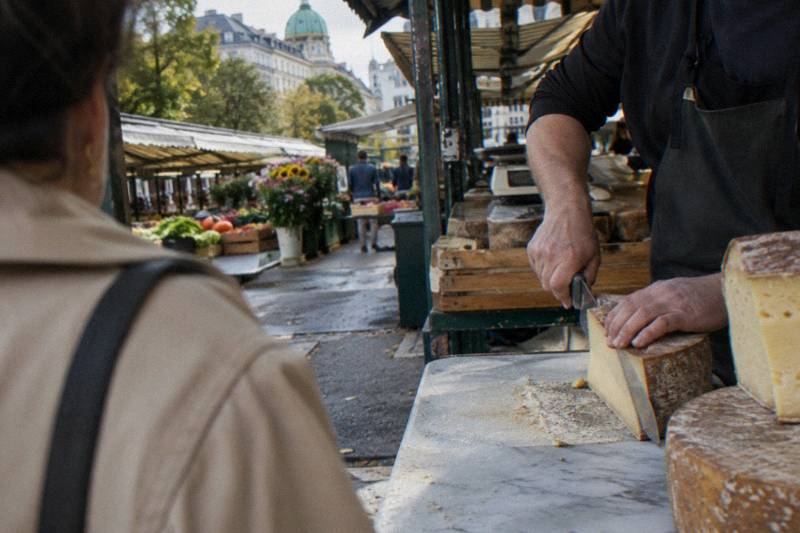
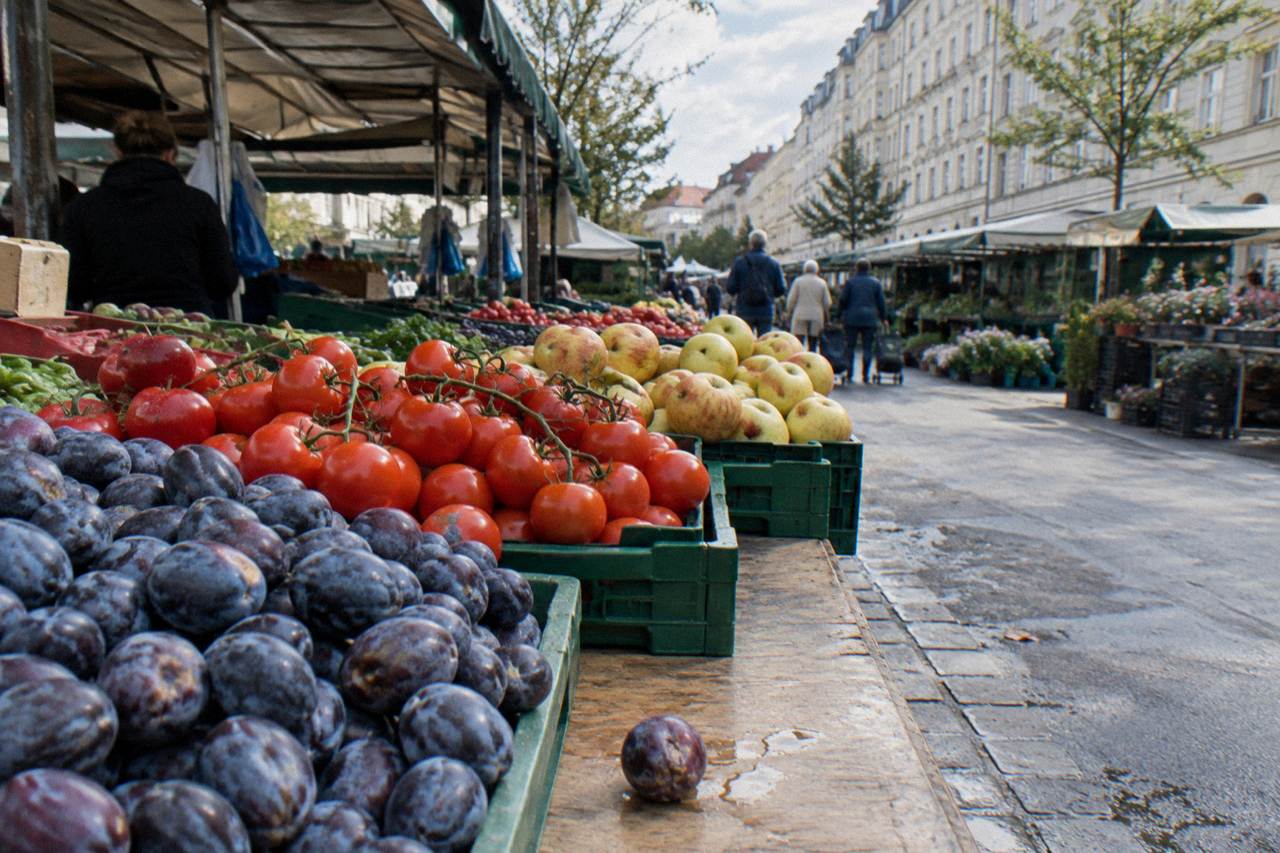
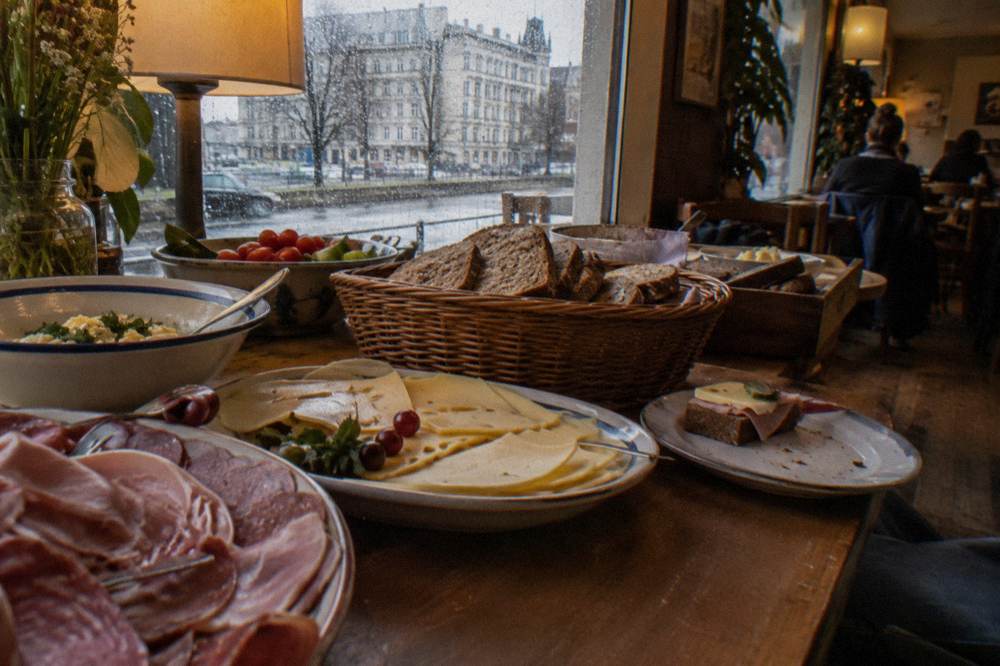
The Naschmarkt is completely free to enter and browse, open as a market throughout the week, and it is the single best free food experience in Vienna: roughly a kilometre of produce stalls, delicatessens and restaurant rows that costs nothing to walk, smell and photograph, with the Saturday flea market alongside it also free to wander. The city's official hours let sales stands trade Monday to Friday up to 21:00 and Saturday up to 18:00, with all stands required to be open Tuesday to Friday between 15:00 and 18:00, and the restaurants run later.
Budget visitors should treat the market as a free attraction with optional paid bites rather than a place to avoid spending. Sampling at delicatessen stalls is normal, olives and cheese by weight keep the outlay small, and the two free anchors are browsing the stalls themselves and the flea market that runs Saturdays from early morning to mid-afternoon at the Kettenbrückengasse end. The 2026 construction picture matters for planning: the Naschpark green space is complete, but the wider redevelopment around the new Marktraum hall is now expected to finish in February 2027, so some stands sit in temporary positions and a few weekend flea dates in December 2026 are restricted. The what-to-eat detail, stall by stall, is in the Naschmarkt food guide.
A paid market walk changes the economics but also the experience. The Peters Naschmarkt Enjoyment Walk spends two hours in the market with a guide, and the Vienna Naschmarkt Guided Food Tour runs two hours with tastings; both fold in the stallholder introductions and the stands worth stopping at, which a first-time visitor will not find alone in a single morning. Whether that is worth paying for is the next question.
When Is A Paid Food Tasting Worth It On A Budget Trip?
A paid tasting walk earns its price when the stops are things you could not cheaply assemble yourself: several tastings in one ticket, a seated coffee house stop with cake included, a guide who moves you past the tourist-tier stalls, and drinks or lunch folded in. On the numbers, a short market or cellar tasting is an add-on to a free day; a longer walk that includes a full lunch replaces a meal you would have paid for anyway, which is when the upgrade cost stops feeling like an upgrade.
The honest accounting works like this. If your free day is the GuruWalk morning plus a self-guided Naschmarkt browse, your food spend is a buffet plate or stand sausage, call it the single-digit euro range. Adding a two-hour market tasting walk buys tastings plus navigation. Replacing your whole afternoon with a five-hour walk that includes lunch, street food and drinks means the ticket is buying lunch you would have paid for separately, plus tastings, plus a route. The longer formats among the tours listed here are priced on their live listings, and the full price logic, per hour and per inclusion, is broken down in the what a Vienna food walk costs guide.
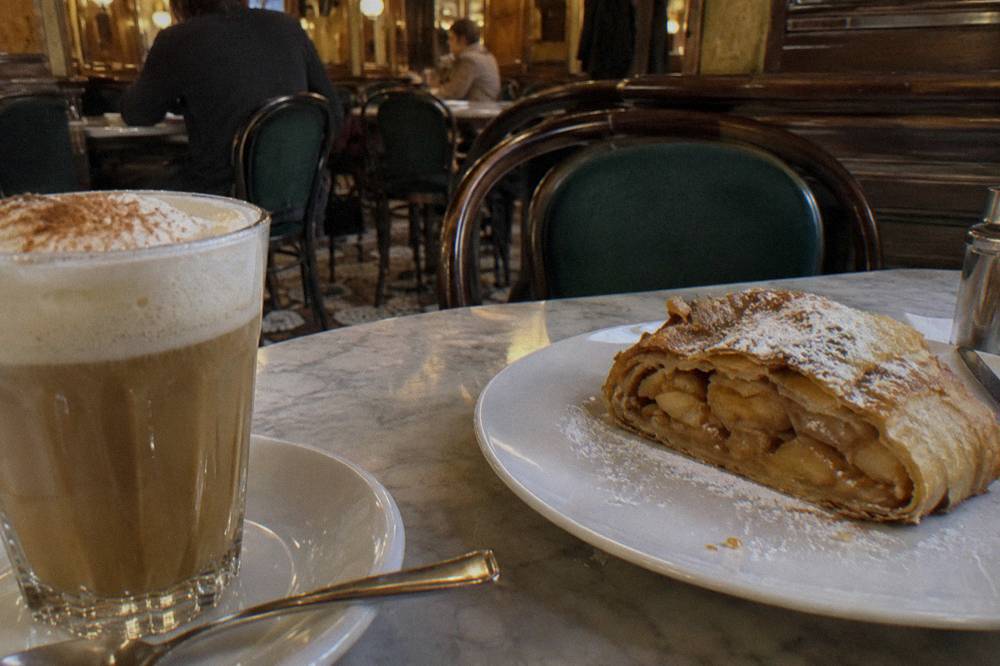
Format matters as much as length. A coffee house tour with pastries and bites included turns the one expensive-feeling item on a budget list, the classic coffee house sit-down, into something already paid for and explained. A first-day orientation walk that combines a coffee house stop with street food and local tips is effectively the free-walk concept with food attached, useful if you arrive with no plan at all. And a short wine tasting, at the cellar or Austrian-wine end of the spectrum, is the cheapest way to taste the local Gemischter Satz culture without travelling to the vineyards.
| Free day building block | What it costs | What a paid version adds |
|---|---|---|
| GuruWalk centre walk | Tip only | Food stops, tastings, a table somewhere |
| Naschmarkt browse | Free | Stallholder access, tastings in the price |
| Coffee house sit-down | Coffee and cake price | Pastries and bites included, heritage explained |
| Vineyard walk | Free | Wine in the price, cellar access |
| Lunch | Mittagsmenue or buffet price | Lunch folded into the walk ticket |
How Do You Build A Full Budget Food Day In Vienna?
A realistic budget day pairs one free structure with one cheap meal tier: the pay-what-you-want walking tour in the morning, a market browse or vineyard walk in the afternoon, a Mittagsmenue or buffet plate as the single cooked meal, and a sausage stand or Heuriger glass in the evening, keeping the day's food spend in the low double digits in euros while still touching coffee house, market and wine culture. The city's density makes this work: none of these stops is more than a tram ride apart.
Here is the shape of the day. Start at Minoritenplatz for the free centre walk, which ends near the Ring by early afternoon. Move to the Naschmarkt for the free browse, eating either a Mittagsmenue nearby or picnic-tier deli purchases. Late afternoon, either walk the Danube Canal or head for Nussdorf and the vineyard paths above the city, where a Heuriger glass at 3 to 5 euros, reported, buys the view as much as the wine. Evening is the stand or the market's restaurant row. Total ticket spend for the day: zero. Total food spend: roughly the price of one restaurant dinner.
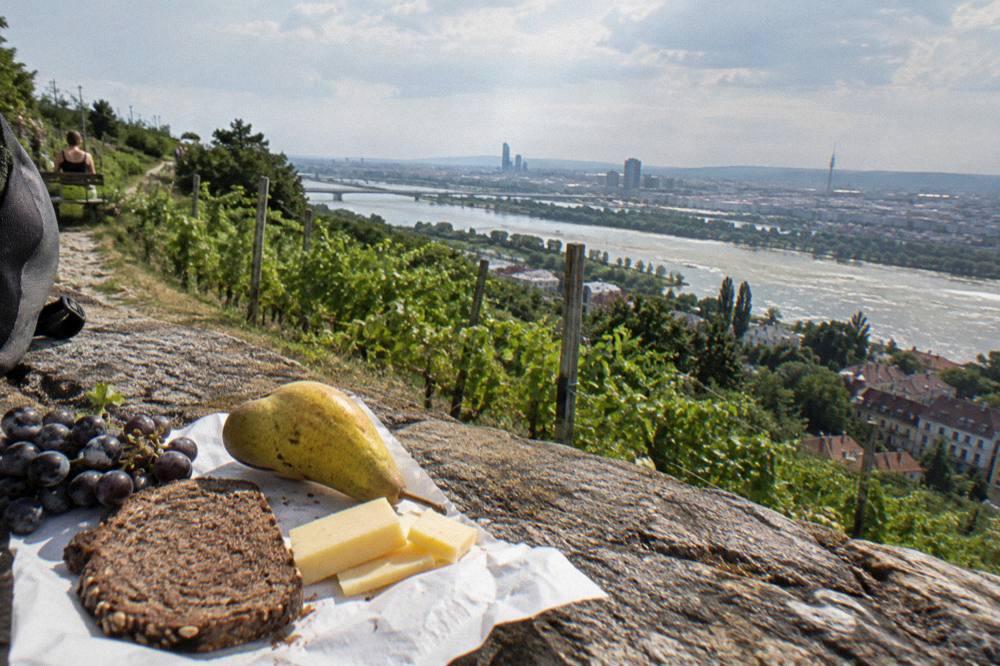
Season shifts the plan. From mid-November the Christmas market squares replace the vineyard walk as the free evening structure, with entry to all 15 markets free and only the drinks and food paid. In spring and autumn the hiking paths and the Kellergassen are at their best, and the Wine Hiking Day, when it returns, is the single best free-to-enter food event in the region. Midwinter, many traditional Heurigen reduce hours or close between November and March, so the reliable cheap eats shift to the stands, the market restaurants and the lunch menus, as the Heuriger guide explains.
The one paid upgrade worth making, for most visitors, is a single tasting walk slotted into the afternoon slot on one day of the trip. That is the moment the free day and the paid day meet: you have oriented yourself for free, you know what a Melange and a Kasekrainer cost, and the walk's job is to add the tables you would not have found and the tastings you would not have bought separately. Everything on this site, from Vienna Food Tours to the budget pages, assumes exactly that sequence.
Common Questions About Free Things To Do In Vienna
What Can You Do In Vienna For Free?
The pay-what-you-want GuruWalk walking tour of the centre, browsing the Naschmarkt and the city's other markets, the vineyard paths above Nussdorf and Grinzing, the Kellergassen of Stammersdorf, and the Christmas market squares in season all cost nothing to enter.
Is The Free Walking Tour In Vienna Actually Free?
It is pay-what-you-want: the Free Walking Tour Through The Center Of Vienna on GuruWalk has no upfront price, and you tip the guide at the end. It runs about 2 hours 15 minutes in English from Minoritenplatz 8 and is rated 4.95 across 3,287 reviews.
Is The Naschmarkt Free To Enter?
Yes, entry and browsing are free. Stands may trade Monday to Friday up to 21:00 and Saturday up to 18:00 under the city's official rules, and the Saturday flea market alongside it is also free to wander.
How Cheaply Can You Eat In Vienna?
A Heuriger self-service buffet plate runs around 6 to 12 euros, reported, with an Achtel of house wine at 3 to 5 euros, and sausage stand classics cost a few euros. A weekday Mittagsmenue is the cheapest route to a proper cooked meal.
When Is A Paid Food Tasting Worth It On A Budget?
When the ticket includes things you would otherwise buy separately: several tastings, a seated coffee house stop with cake, a full lunch or drinks. A short tasting is an add-on; a long walk that replaces a meal you would pay for anyway is when the price stops feeling like an upgrade.
What Is The Best Free Food Event In Vienna?
The Vienna Wine Hiking Day, with free entry to four vineyard routes and only the tastings at the stations paid. The 2026 edition ran on 26 and 27 September and has passed; check the official calendar for the next date before planning around it.