Vienna Restaurant Etiquette: Gedeck, Tap Water And Splitting Bills
Vienna's dining customs confuse first-time visitors because several of them add small charges and unspoken rules that never appear on an English-language menu. Here is what the Gedeck is, when tap water costs money, where you cannot smoke, how to tip, and how the bill actually works.
Short answer
The Gedeck is a cover charge of about 2 to 5 euros per person in traditional venues, legal only if printed on the menu. Tap water may be charged if listed; a 2026 sample of 30 Vienna venues found 23 charged it. Tipping runs 5 to 10 percent, and restaurants have been smoke-free indoors since 1 November 2019.
The first surprise in a traditional Vienna restaurant is rarely the food. It is the bill: a line for bread you did not order, a euro or two for water from the tap, and a waiter who waits while you calculate the total aloud. None of it is a scam. Vienna dining runs on customs that locals absorb as children and that menus are only obliged to explain in fine print, in German.
This guide covers the five questions visitors ask most: the Gedeck cover charge, tap water pricing, the indoor smoking ban, tipping, reservations and bill-splitting. Every figure here comes from official or reported 2026 sources, and each section stands alone so you can jump to the one that matters at the table. Etiquette confidence is also a quiet reason to book a guided tasting: on the Authentic Vienna Food Tour, roughly 5 hours with lunch, street food and 3 drinks included, a local guide handles the ordering, the small print and the rounding for you. For the habits that follow you beyond the restaurant door, from coffeehouse manners to Sunday closures and market visits, our roundup of Vienna do's and don'ts picks up where this guide leaves off.
What Is The Gedeck Charge In Vienna Restaurants?
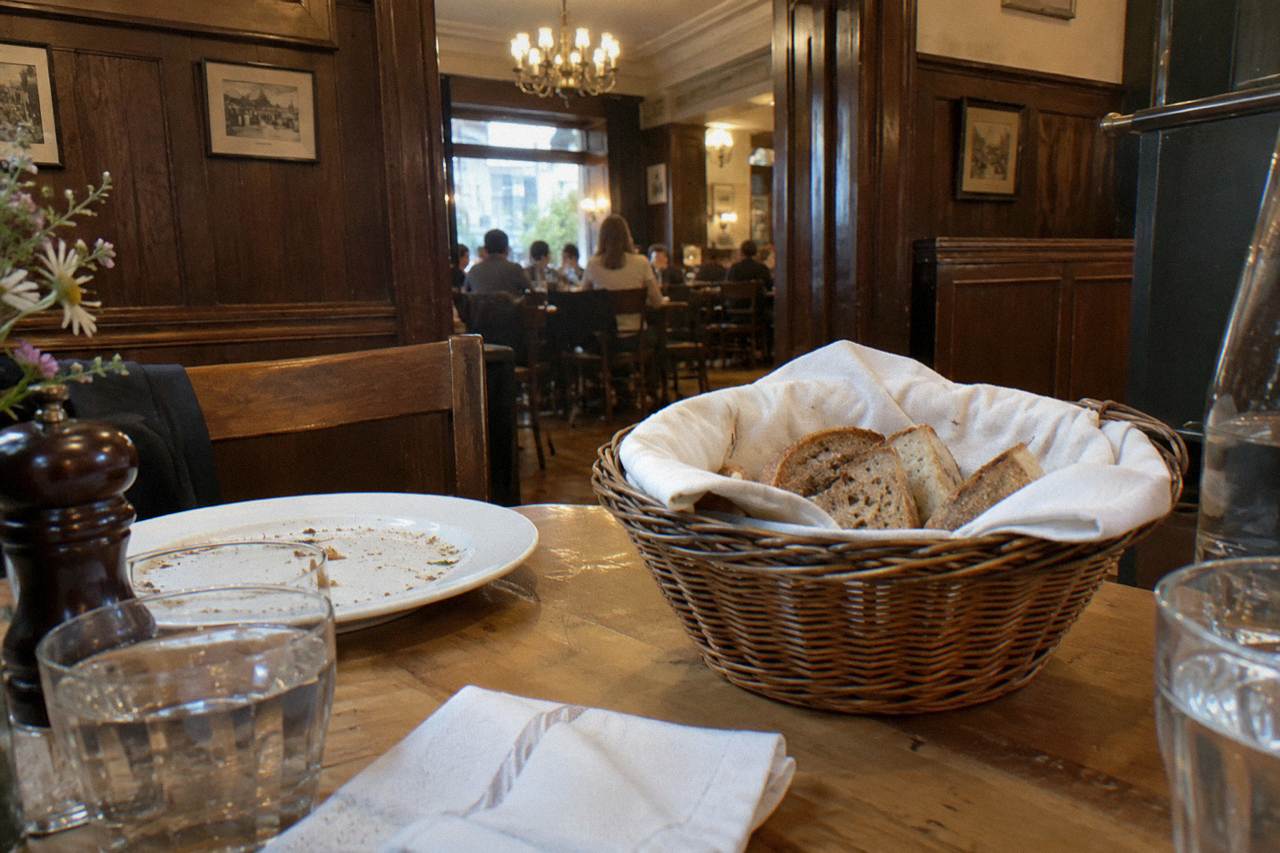
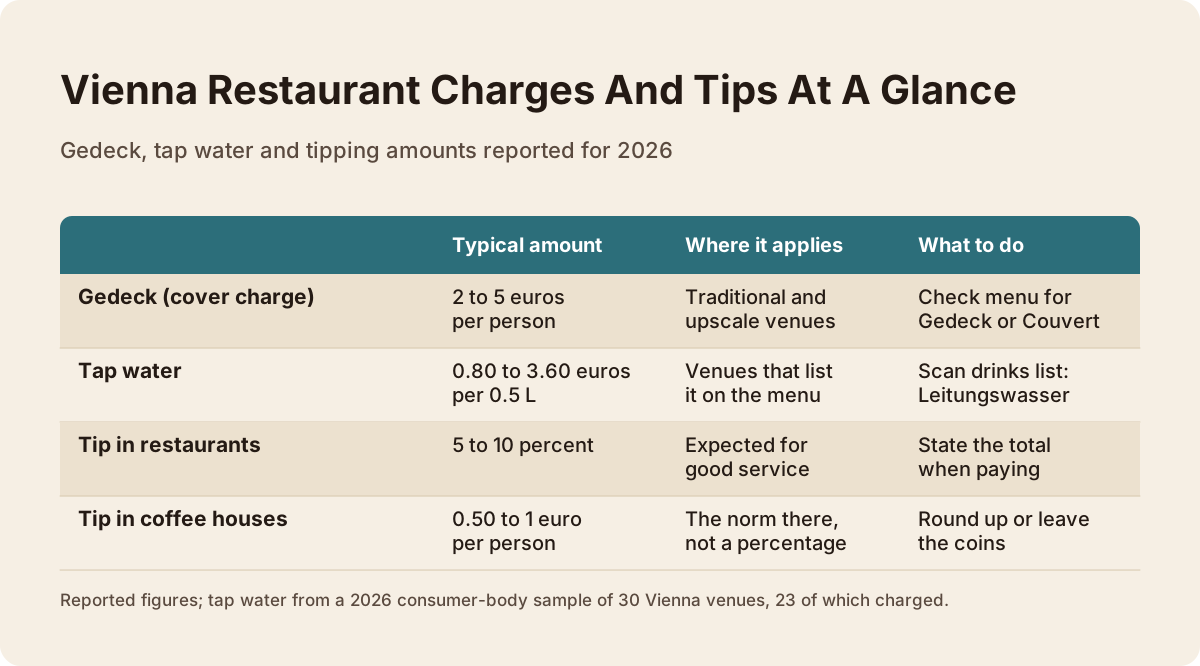
The Gedeck is a per-person cover charge, typically 2 to 5 euros in traditional and upscale venues, that covers the bread basket, butter and spreads, linens and table setting, and it is legal only when printed on the menu. You pay it whether or not you touch the bread, and it appears as a separate line on the bill rather than being hidden in dish prices.
The logic is continental rather than Viennese-specific: the table itself is a product. A restaurant that sets a table with linen, glassware and a bread basket charges for the setting so it can keep dish prices comparable to places that give you nothing. The word itself simply means "place setting". Where it gets applied is inconsistent, which is why the menu rule matters. A venue cannot spring a Gedeck on you that never appeared in print; if it is not on the menu, you can reasonably question the line, politely, when the bill arrives.
In practice you will meet the Gedeck most often in old Beisel and Wirtshaus dining rooms, grill houses and the grand coffee houses, and almost never at a sausage stand, a market stall or a self-service canteen. Tourist-heavy streets are not exempt from it, and neither are hotel restaurants. If you are comparing venues on price, the honest comparison is dish price plus the likely Gedeck, not dish price alone.
The cover charge also interacts with tipping, covered below: the Gedeck is not the tip, and paying it does not remove the expectation of rounding up for good service. Treat them as two separate things, because that is exactly how the waiter's accounting treats them.
| Charge | Typical amount | When it applies | How to check |
|---|---|---|---|
| Gedeck (cover) | 2 to 5 euros per person (reported) | Traditional and upscale venues; on the menu | Look for "Gedeck" or "Couvert" on the menu card |
| Tap water | 0.80 to 3.60 euros per 0.5 L at most sampled venues | Legal whenever listed on the menu | Scan drinks list for "Leitungswasser" |
| Service | Included in prices by Austrian custom | Nearly everywhere | Not a separate line |
| Tip | 5 to 10 percent, or rounding | Expected for good service | You state the total when paying |
Can You Be Charged For Tap Water In Vienna?
Yes. Austrian law allows venues to charge for tap water whenever the price is listed on the menu, and in 2026 a consumer-body sample of 30 Vienna venues found 23 charged for it, usually 0.80 to 3.60 euros per half litre, even when guests had ordered food and other drinks. Only 3 of the 30 offered it free unconditionally.
That sample, reported by the Arbeiterkammer consumer association, ended a long-running traveller myth that Vienna's alpine water must be free. The water itself is genuinely excellent, mountain-sourced and proudly so, but excellence and free are different things. What the law protects is transparency: a charge that never appears in print is contestable, a printed one is not.
The practical move takes five seconds. Before ordering, scan the drinks page for "Leitungswasser", the word for tap water. If a price sits next to it, you have three options: accept it, order a cheap mineral water instead, or ask for "ein Glas Wasser zum Kaffee", which some coffee houses still bring free with coffee out of custom rather than obligation. If no price is listed anywhere, asking for tap water is entirely normal and you should expect no charge.
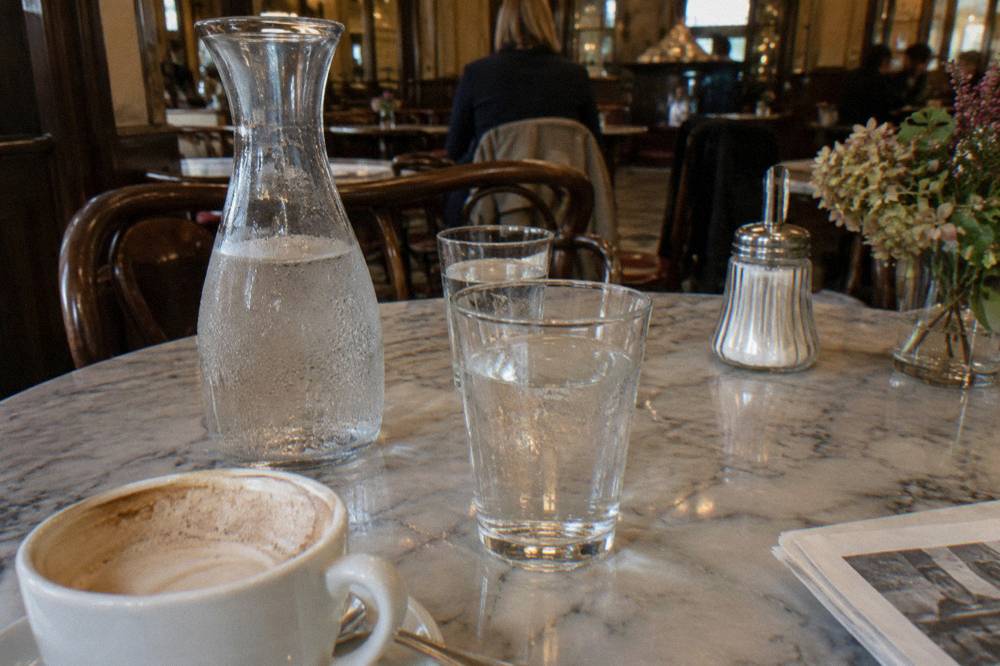
Coffee houses follow their own softer rule. It is customary there to round up or leave 0.50 to 1 euro rather than calculate a percentage, and a glass of water with coffee is a tradition many houses still honour. The stricter you find the printed menu, the more likely every pour is metered. Our Vienna coffee house culture guide covers those rituals, from the newspaper tables to the unhurried refills, in detail.
If you would rather someone else handle the ordering small print entirely, a tasting walk does that: the guide orders, the tastings are pre-arranged, and no cover charge or water charge ever reaches you as a line item.
How Much Should You Tip In Vienna Restaurants And Cafes?
Restaurant tips in Vienna run 5 to 10 percent for good service, and the custom is to state the total you want to pay when the waiter brings the bill, for example saying "Stimmt so" to wave the change, or naming a rounded figure. In coffee houses, rounding up or leaving 0.50 to 1 euro per person is the norm rather than a percentage.
The mechanics matter more than the number. Austrian service staff are paid properly, so tipping is an expectation for good service rather than a survival subsidy, but it is not performed the American way, with cash left on the table after the waiter walks off. The waiter typically stays with the bill, you glance at it, and you say the total out loud. Round the printed total up by a few euros, or hand over notes and say "Stimmt so", meaning "that is right", to decline the change entirely.
Card payments follow the same script. The portable terminal appears, and you say the total you want charged before tapping; many terminals also offer a tip prompt. If the service was indifferent, paying the exact amount is acceptable and no one will chase you. What locals do not do is tip lavishly at a counter, a bakery or a sausage stand: there, dropping coins into the tip cup or rounding a coffee up by small change is plenty.
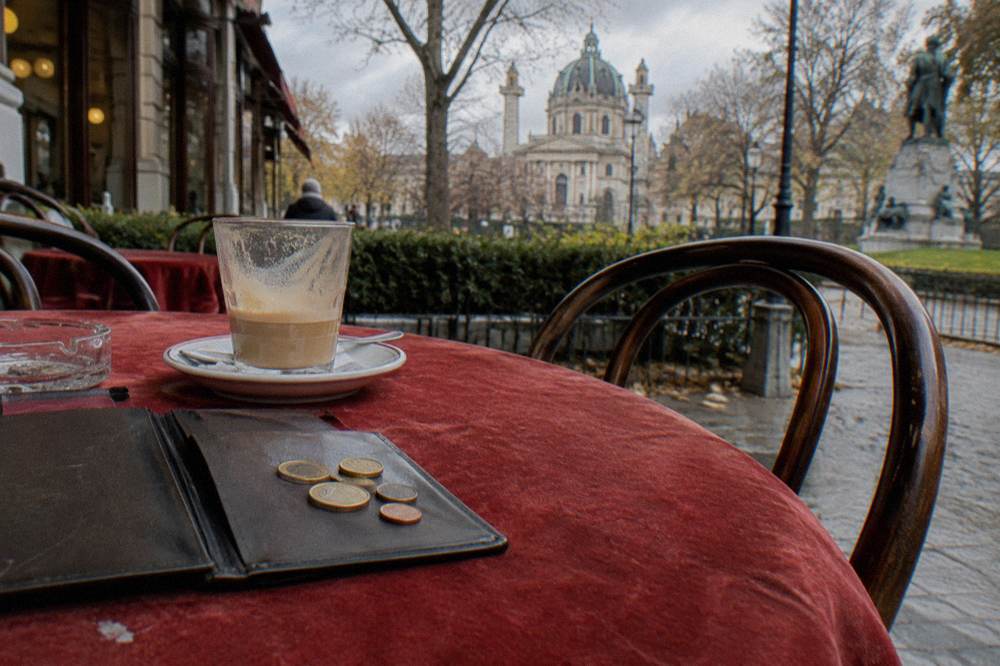
Our fuller tipping in Vienna restaurants and cafes guide breaks the amounts down by venue type, but the one-sentence version survives every situation: when the bill comes, say a slightly higher round number and you have tipped correctly.
One more table habit surprises visitors: the waiter will not bring the bill until you ask. This is courtesy, not neglect. Unhurried sitting is the product you are renting, so catch the eye and say "Zahlen, bitte", or "the bill, please", and it arrives promptly.
Is Smoking Allowed In Vienna Restaurants And Coffee Houses?
No. Since 1 November 2019, Austrian law bans smoking in every indoor guest area of restaurants, coffee houses, bars and pubs, including shisha venues, with no smoker rooms and no exceptions for small establishments. Smoking is permitted only outdoors, on terraces and in open areas defined by ministerial decree.
The 2019 law was a clean sweep after years of exemptions and partial rules, so anything an older guidebook told you about smoking sections or one-room bars allowing cigarettes is obsolete. The Austrian government's business portal sets out the current position: the ban covers dining rooms and all other guest areas, and venues may only allow smoking in genuinely open outdoor zones. Enforcement is the venue's legal problem, not yours, but in practice you will not be offered an ashtray indoors anywhere legitimate.
What this means for planning is simple. Terrace seats in summer are where smokers sit, and a beautiful outdoor table may come with a neighbour's cigarette as scenery. In winter, outdoor smoking areas with heaters cluster by entrances, so a table near the door can catch drift. Families and non-smokers can book any indoor table in the city with confidence.
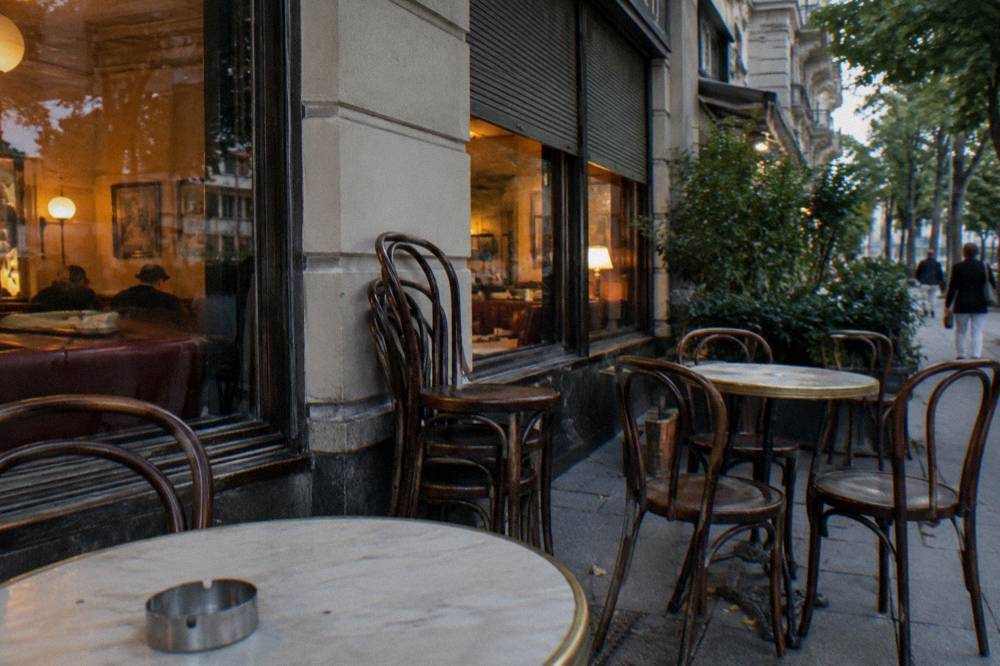
The rule extends to the Heuriger wine taverns on the city edge, whose vaulted indoor rooms are guest areas like any other. Smoke-free dining is one of the quiet quality-of-life upgrades of the last decade of Vienna visits, and no 2026 change to the law has been identified in official sources. If you want the legal wording, the official smoking-ban page on usp.gv.at states the scope of the ban directly.
Do You Need Reservations For Vienna Restaurants And Coffee Houses?
For classic coffee houses, walk-ins are normal and Cafe Landtmann accepts reservations while Demel generally does not, though neither is an obligation. For dinner at popular traditional restaurants, weekend tables and any listed gourmet venue, booking a day or more ahead is the safe habit, since Sunday closures concentrate demand on the remaining open kitchens.
Coffee houses function as living rooms: people arrive, sit for hours, and turnover is slow but constant. Reservations exist at the grander houses and Landtmann honours them, but turning up is the default behaviour and only a large group or a weekend afternoon at the most famous addresses risks a wait. The one 2026 wrinkle worth knowing is Cafe Central: it has been closed for major renovation since 16 March 2026, with reopening planned for winter 2026, and its pop-up "Decentral" operates meanwhile at Freyung 3, with reported prices around 5.40 euros for a Melange and 5.90 for apple strudel. Confirm status on the cafe's own site before planning a visit, because renovation timelines move.
Restaurants are a different culture. Evening service at a well-regarded Beisel fills its modest room nightly, and Sunday is the pinch point: most retail closes, but restaurants open, so Sunday lunch tables in the centre go early. The queue reputation belongs mainly to the cake institutions, where Hotel Sacher's door moves slowly in afternoons and Demel's typically faster, and arriving early or after 16:00 is the standard advice.
| Venue type | Reservation habit | Why |
|---|---|---|
| Grand coffee house | Optional; Landtmann takes bookings, Demel generally not (reported) | Slow turnover, living-room culture |
| Cafe Central | Confirm before visiting | Closed for renovation since 16 March 2026; pop-up at Freyung 3 meanwhile |
| Traditional Beisel dinner | Book ahead, especially weekends | Small rooms, full nightly |
| Sunday lunch anywhere central | Book ahead | Retail closes, restaurants absorb the demand |
| Sausage stand, market stall | Never | Counter service |
A reservation also shifts the etiquette in your favour: staff expect the table to be held, and the same "Zahlen, bitte" ritual applies whenever you choose to leave. If the venue is inside the Naschmarkt area, note the official trading hours, sales stands may trade to 21:00 on weekdays but restaurant rows run to 23:00, and every stand must be open Tuesday to Friday between 15:00 and 18:00, per the city's official Naschmarkt page.
How Does Splitting The Bill Work In Vienna?
Splitting is normalised but structured: waiters rarely run separate cards per person, so groups either ask for the bill to be divided on paper, each paying a share in cash, or one person pays and the others transfer. Tipping survives the split by agreeing the round-up first, then dividing, so the table tips as one rather than as eight individuals.
The mechanics trip up visitors who expect the terminal dance of separate cards common elsewhere. In a Vienna restaurant the bill arrives as one document, often genuinely itemised, and the table does the arithmetic. Two acceptable scripts exist. The first: ask "Getrennt, bitte?" when ordering, which flags separate bills from the start, and many restaurants accommodate it. The second: one bill, one payer, settled afterwards. What causes frowns is a stack of cards emerging at the end for one bill, so decide the approach before the food arrives, not after.
Gedeck and tap water charges, covered above, sit on the shared bill like any other line, and groups often divide them per head anyway, which is exactly what the per-person cover charge is built for. Service included in the printed prices means nobody calculates a mandatory service split; the 5 to 10 percent tip is the only discretionary layer.
| Payment situation | Local custom | Practical phrase |
|---|---|---|
| Paying alone | State the rounded total when the bill arrives | "Stimmt so" |
| Group, shared bill | One payer, others reimburse | "Wir zahlen zusammen" |
| Group, separate bills | Flag it when ordering, not at the end | "Getrennt, bitte" |
| Coffee house | Round up per person | Coins on the tray |
| Card payment | Say the total before tapping | Terminal shows the amount |
Cash is less essential than a decade ago, cards are widely accepted including contactless, but a handful of old Beisel and market stalls remain cash-first or cash-only, and a small reserve of euros prevents an awkward finish to an otherwise smooth evening. When a guide handles the whole outing, as on the full-meal Taste Vienna walking food tour, the question simply dissolves: everything is arranged and included before you sit down.
What Else Should You Know At A Vienna Table?
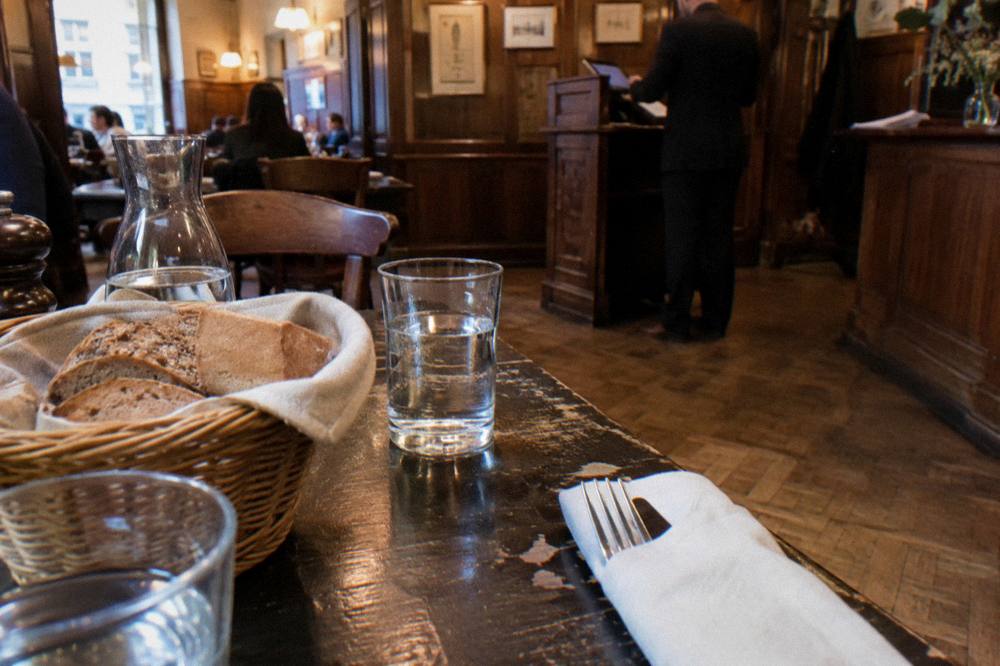
A few small habits complete the picture: waiters bring the bill only when asked, tables are held for the whole evening rather than turned, greetings on entry are expected, and Sunday closures mean planning lunch around the restaurants rather than the shops. None of it costs money, and all of it reads as respect once recognised.
Greeting matters. Walking into a small restaurant or cafe without a word is noticed; a simple "Gruss Gott" or "Guten Tag" to the staff on entry, and "Servus" or "Wiedersehen" on leaving, marks you as someone who knows the room. It costs nothing and changes the tone of service, which in Vienna is formal rather than effusive: a waiter's apparent coolness is professionalism, not rudeness, and warmth arrives in competence instead of chat.
Pacing is the second habit. Your table is yours. Courses come when they come, nobody hovers with dessert menus, and the evening is assumed to be long. The corollary is the "Zahlen, bitte" rule from the tipping section: the bill waits for you, not you for it. Americans in particular should resist the instinct to signal urgency; the meal's leisurely arc is the local product.
Dress is the last easy win. Nobody demands a jacket, but Vienna dresses a notch above shorts-and-flip-flops for dinner in the centre, and the grand coffee houses reward effort with better tables. Beyond that, table culture is unfussy: hands on the table rather than the lap is the old custom, cutting salad with a knife is fine, and nobody inspects your fork grip. The Vienna Food Tours homepage collects the food-side decisions, from coffee house choice to market strategy, if you want the wider picture alongside these table manners.
The evening version of the guided table is worth a final word for readers whose concern is exactly these customs: a small-group dinner walk with wine and cocktails moves between venues with a local handling every "Zahlen, bitte", and etiquette anxiety tends to end at the first stop. Whatever you choose, the summary fits in one breath: read the drinks page, expect the Gedeck where it is printed, tip by naming a round number, ask for the bill, and greet the room on the way in.
Common Questions About Vienna Restaurant Etiquette
What Is The Gedeck In Vienna?
It is a per-person cover charge, typically 2 to 5 euros in traditional and upscale venues, covering the bread basket, spreads, linens and table setting. It is legal only when printed on the menu, and you pay it whether or not you eat the bread.
Do Vienna Restaurants Charge For Tap Water?
They may, whenever the price is listed on the menu. A 2026 sample of 30 Vienna venues found 23 charged for tap water, usually 0.80 to 3.60 euros per half litre. If no price appears on the drinks list, asking for tap water is normal.
How Much Do You Tip In Vienna?
Restaurants: 5 to 10 percent for good service, stated as a rounded total when the bill arrives. Coffee houses: round up or leave 0.50 to 1 euro. Counters and sausage stands need only small change.
Can You Smoke In Vienna Restaurants?
No. Since 1 November 2019 smoking is banned in all indoor guest areas of Austrian restaurants, cafes, bars and shisha venues. Smoking is allowed only outdoors, such as on terraces.
Do You Tip By Saying The Total Out Loud?
Yes, that is the local method. When the waiter brings the bill, say a slightly higher round total than the printed amount, or hand over notes and say "Stimmt so" to decline the change.
Do Vienna Waiters Bring The Bill Automatically?
No, and it is deliberate courtesy: the table is yours for the evening. Catch the waiter's eye and say "Zahlen, bitte" when you are ready to pay.