Where Did Anthony Bourdain Eat In Vienna?
No verified record places Anthony Bourdain at a specific Vienna restaurant. Here is the honest answer, plus the classic Viennese food a curious traveller should chase instead.
Anthony Bourdain never left a verified Vienna restaurant list behind. Despite years of appetite-driven travel writing and television across Europe, the checked record of his work, and of the fresh reporting gathered for this article, names no specific Vienna venue he ate at. That is the honest answer, and it matters, because plenty of websites will happily invent one for you. If that leaves you wondering whether the city deserves a trip at all, our honest, food-led verdict on Vienna weighs the real reasons to go against the downsides.
What Bourdain did leave behind is a method. He treated food as the fastest way to understand a city's class, history and stubbornness, and Vienna rewards exactly that approach. This article separates what can be said from what cannot, then maps the eating culture he would have gravitated toward: the market halls, the sausage stands, the coffee houses and the young wine taverns on the city's edge.
No verified source places Anthony Bourdain at a specific Vienna restaurant, café, market stall or wine tavern. Neither his published writing nor the television record documents a Vienna eating itinerary. Any site naming a definitive "Bourdain restaurant" in Vienna is filling a gap with invention. The defensible answer is: nowhere confirmed, and plenty claimed.
Why does this gap exist at all? Bourdain built his Europe episodes around cities where he had a local fixer, a chef friend or a food-memory thread to pull. Vienna's food story is real and rich, but it is quieter than Lisbon's or Naples's; it is a story of institutions, the coffee house, the Beisl, the Heuriger, rather than chef personalities. Television tends to chase the loud version.
That leaves fans with two honest options. The first is to accept that the man himself left no Vienna map. The second, and far more enjoyable, is to apply his method to the city: eat where the institutions are oldest, where the rituals are strongest, and where the food tells you something about how Vienna actually lives. The rest of this article does the second thing, and every stop described below is a real, visitable piece of the city's food culture, not a celebrity sighting.
One warning worth carrying with you. Search results for "Bourdain Vienna" reliably produce confident claims, restaurant names attached to his picture, "his favourite" captions. If a source cannot point to a specific episode, essay or interview, treat the claim as decoration. The frustration of a dead end is better than the embarrassment of queueing for a fake pilgrimage.
What Would A Bourdain Approach To Vienna Look Like?
A Bourdain approach to Vienna would skip the gilded clichés in favour of the city's working food culture: a sausage stand after midnight, a market stall run by the same family for decades, a smoky-history Beisl serving schnitzel and goulash, and a wine tavern at the vineyard's edge. These are the places where Vienna's food identity actually lives, and all of them are open to any traveller willing to go slightly out of the way.
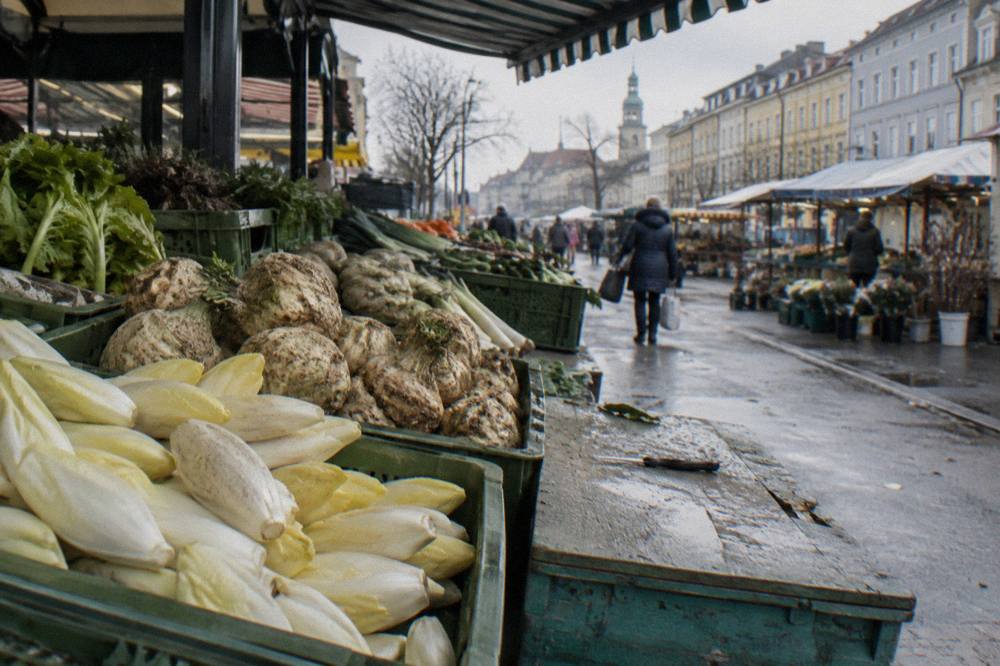
Bourdain's instincts ran toward three things: markets, street food and old drinking rooms. Vienna delivers all three with unusual conviction. The Naschmarkt has traded on the same strip for generations, and its current hours are set by the city itself: sales stands may open 6:00 to 21:00 on weekdays and to 18:00 on Saturdays, with every stand required to be open Tuesday to Friday between 15:00 and 18:00, per the official city market page. A market with mandated opening hours is a market the city takes seriously.
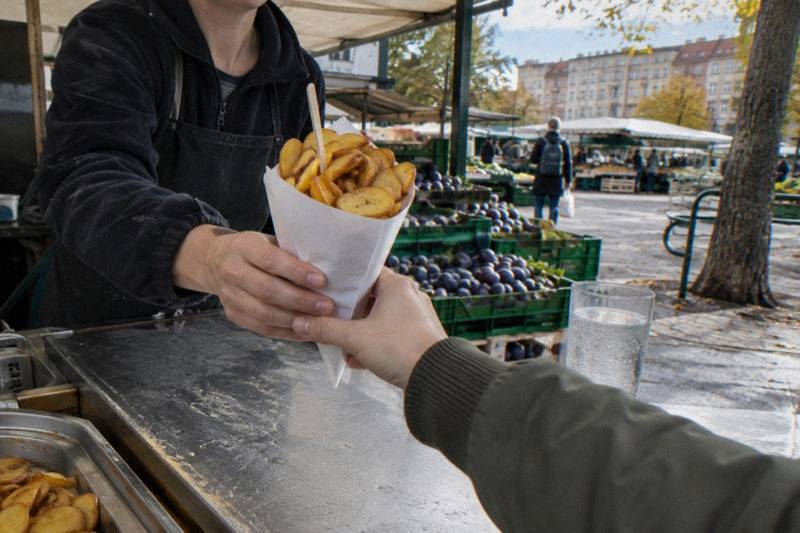
The street food side is the Wurstelstand, the sausage stand that the Vienna Tourist Board itself cites, alongside the coffee house and the Heuriger, as part of the city's recognised food heritage. A Käsekrainer, the cheese-filled smoked sausage that splits and crisps on the griddle, eaten standing up with mustard and a slice of bread, is exactly the kind of unglamorous, perfect street food Bourdain built segments around. For a fuller map of the stands and what to order at them, read the Vienna sausage stand and street food guide.
The old drinking rooms are the Beisln, the wood-panelled neighbourhood taverns serving schnitzel, goulash and potato salad to regulars. The 2026 restaurant guides show this scene in genuine revival: the Gault&Millau 2026 guide and the Michelin Guide Austria 2026, released 18 March 2026, both reward new-wave Beisl cooking, with Vienna holding two three-star restaurants, Steirereck im Stadtpark and Amador, at the polished end of the same food culture. Bourdain would have eaten at both ends of that ladder, and told you the cheap end was more honest.
| The Bourdain checklist | Vienna's answer | Where to find it |
|---|---|---|
| Market chaos and vendors with opinions | Naschmarkt produce and International stalls | Kettenbrückengasse U4 |
| Standing street food at odd hours | Käsekrainer or Bosna at a Wurstelstand | City centre and night districts |
| An old room that cooks better than it looks | A traditional Beisl serving schnitzel and goulash | Fourth and ninth districts and beyond |
| Young wine drunk at the source | Heurigen serving their own vintage | Nussdorf, Stammersdorf, Grinzing |
Which Viennese Classics Did Bourdain's Kind Of Traveller Eat?
The canonical Vienna eating list runs: Wiener schnitzel, Tafelspitz, Käsekrainer from a stand, Sachertorte or Apfelstrudel in a coffee house, a Melange to drink, and Gemischter Satz, the city's blended-field white wine, at a Heuriger. Every one of these is documented in Vienna's own official food culture, and none requires a celebrity endorsement to be worth your afternoon.
Start with the schnitzel, because Vienna ordered it first. The city even topped the Lieferando Schnitzel-Index 2026, published from ordering data covering 1 January to 31 August 2026: 142,318 schnitzel orders, 7.4 per 100 inhabitants, ahead of Linz and Graz, with the average Viennese pork schnitzel at 15.09 euros. That is delivery data, not restaurant pricing, but it tells you the dish is not tourist theatre. Viennese people really eat this, and in quantity. For where to eat it, the schnitzel restaurant guide covers the classic addresses.
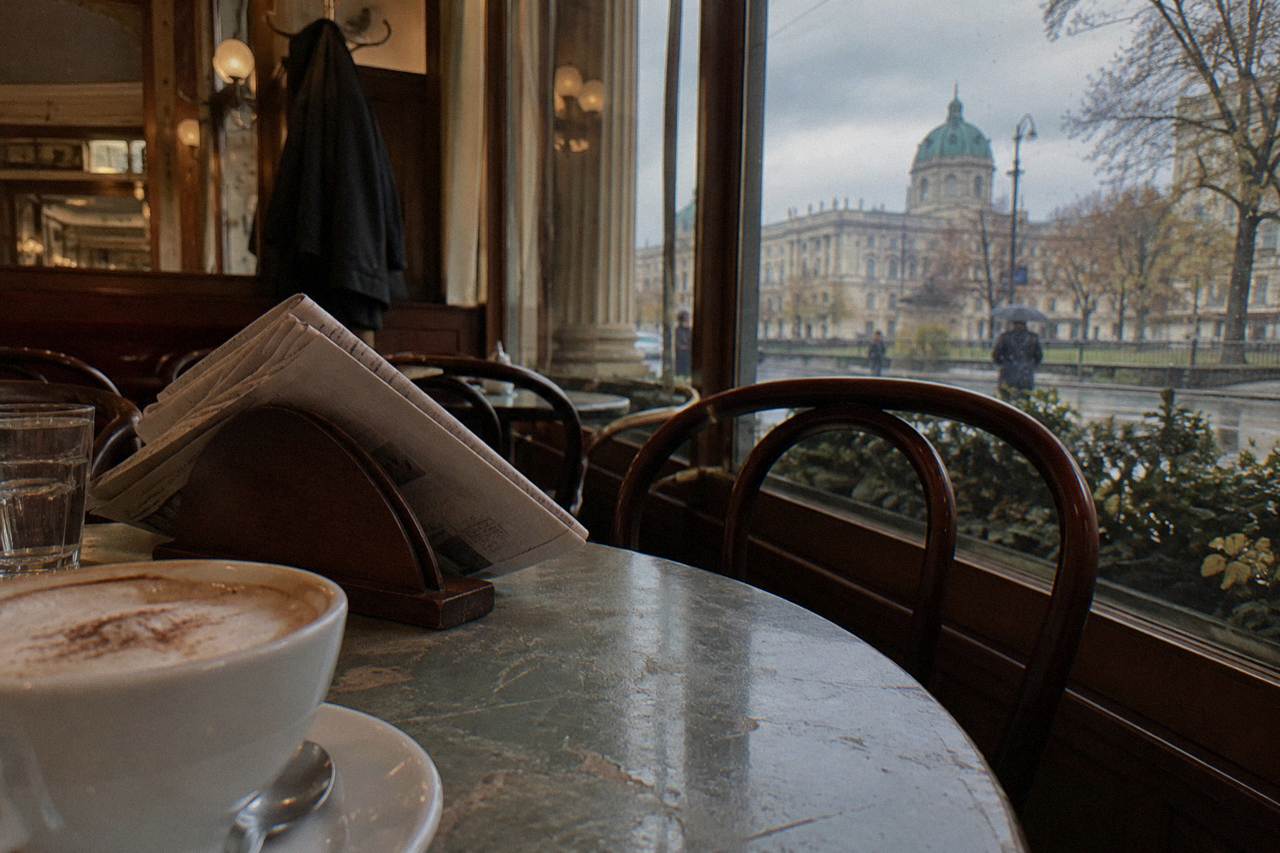
The coffee house is the institution outsiders photograph and locals defend. Viennese coffee house culture was placed on Austria's national inventory of intangible cultural heritage in 2011, under the UNESCO framework, and the Vienna Tourist Board cites it as heritage alongside the sausage stand and the Heuriger. The ritual is the point: a Melange, around 6.90 euros at the classic houses, a slice of cake, a newspaper on a bentwood holder, and nobody hurrying you out. Current cake prices at the big names run from about 8.20 euros for an Apfelstrudel at Café Landtmann to around 11.50 euros for an Original Sachertorte slice at Hotel Sacher, always check the menu of the day.
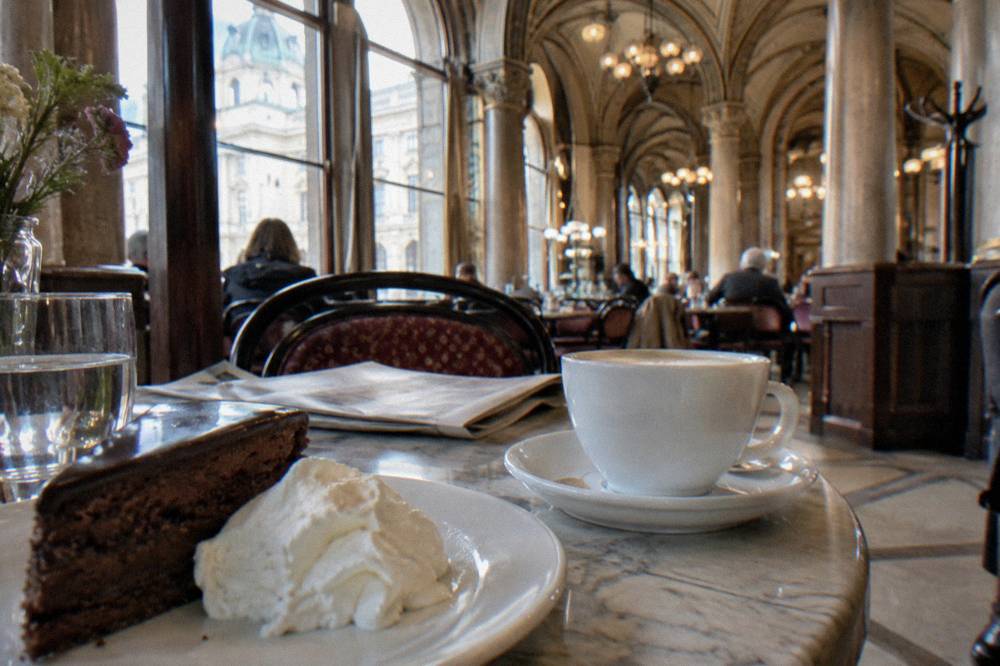
One heritage note that matters to the cake pilgrimage: Café Central, perhaps the most photographed coffee house in the city, has been closed for major renovation since 16 March 2026, with reopening planned for winter 2026, and a pop-up called Decentral operating at Freyung 3 in the meantime, reported hours 8:30 to 20:00 daily. Confirm on the café's own site before you go, and never let a listicle tell you it is open as normal.
The wine side is the one most visitors miss entirely, and it is the most Bourdain-shaped thing in the city. Vienna is one of the few world capitals with working vineyards inside its borders, 588 hectares of them according to the 2026 Wiener Weinpreis catalog, about a third farmed organically, across 172 wineries. The signature wine is Wiener Gemischter Satz, a field blend that, under the consolidated DAC regulation, must come from registered Vienna vineyards, use at least three grape varieties, and cannot be sold before 1 December of the harvest year. It is wine with rules, history and a law behind it, exactly the kind of nerdy detail Bourdain would have leaned into on camera.
The 2026 vintage itself carries a story. Heat and dryness cut yields by 30 to 40 percent, yet quality was described as very good to exceptionally good, with an early harvest. Fewer grapes, better wine, is a trade most growers will take, and it means the young 2026 Gemischter Satz arriving at the Heurigen from December onward will be scarce and worth chasing.
| Classic | What it is | What to expect |
|---|---|---|
| Wiener schnitzel | Breaded veal or pork cutlet, fried flat | Delivery data shows heavy local demand; average reported pork price 15.09 euros in 2026 ordering data |
| Melange | Coffee with steamed milk, the coffee house default | Around 6.90 euros at classic houses, as reported |
| Sachertorte | Dense chocolate cake with apricot jam | Original slice reported around 11.50 euros at Hotel Sacher; rival version served at Demel |
| Käsekrainer | Cheese-filled smoked sausage from a stand | Street food, eaten standing, mustard mandatory |
| Wiener Gemischter Satz | Field-blend white wine from city vineyards | DAC rules govern varieties and release date; sold at Heurigen and wine shops |
Can You Walk Bourdain's Vienna Yourself?
Yes, and a guided food walk is the most efficient way to do it, because Vienna's food highlights are spread across markets, coffee houses and street stands rather than one neighbourhood. A single well-built tour can cover the Naschmarkt, a coffee house stop, a sit-down lunch and sausage-stand street food in one day. Three of the strongest options are compared below, with prices and details exactly as the operators list them.
The most complete option is the Vienna Food Tour: Coffeehouses, Markets, Lunch & Street Food, a five and a half hour walk that does in one afternoon what a solo traveller would need two or three days of research to assemble. It pairs the market with the coffee house tradition and street food, and it states a vegetarian lunch option, a rarity among the Vienna tours compared here; anyone vegan or gluten-free should message the operator before booking, since no tour listed here promises those. Meeting point, current price and exact inclusions are on the operator's booking page, check them before you commit.
The same operator's Authentic Vienna Food Tour runs five hours with lunch, street food and three drinks included, and likewise lists a vegetarian lunch option. It is the tighter, drink-inclusive sibling of the long walk. For a shorter sampler, the Vienna: Typical Austrian Food Tour with Coffee House Visit covers four hours and folds a coffee house stop into a broader tasting walk; its price and meeting point are on its own listing. Each of these three is built around the institutions described above, which is to say, around the Vienna a Bourdain-style traveller actually wants.
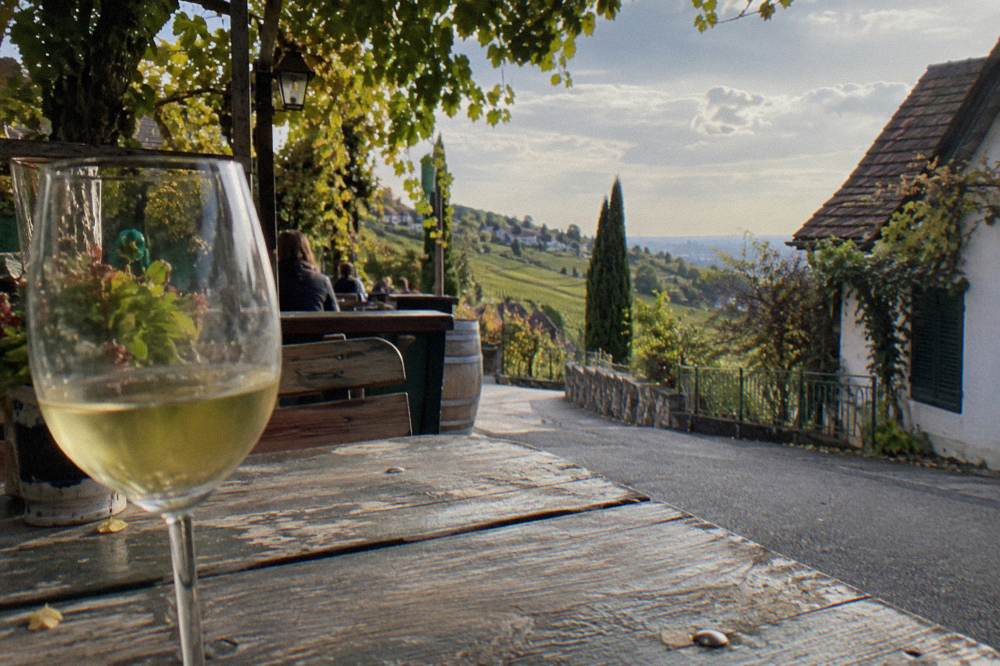
Walking it yourself is equally legitimate, and free options exist. The city's markets cost nothing to browse, the Naschmarkt's official hours are published by the city, and getting out to the wine districts is straightforward by tram and bus. The Vienna Tourist Board's own page on the Heuriger tradition explains the signs to look for: a genuine Heuriger serves only wine from its own vineyards and hangs a pine bush and an "Ausg'steckt" sign to show it is open, and the districts to head for include Grinzing, Nussdorf, Neustift, Stammersdorf and Mauer. Timing matters here, as many traditional Buschenschank reduce hours from November to March, with roughly 100 still operating. The Heuriger visitor guide covers openings, transport and etiquette in depth.
If you are pairing a self-walk with the paid options, one distinction helps: the tours include tastings, a sit-down lunch or drinks, and a guide's running commentary, while a self-guided day means paying as you go at each stall and café. Buffet-style plates at neighbourhood Heurigen typically run around 6 to 12 euros, with an evening total often landing between 8 and 15 euros at local spots, per 2026 guide data, and an Achtel, an eighth-litre of wine, around 3 to 5 euros. Those figures are planning ranges, not promises; check the board at each venue.
Is There A Right Season To Eat Vienna This Way?
Late spring through early autumn is the richest window: Heurigen season peaks, Sturm, the cloudy partly fermented young wine, appears in September and October, and the Wine Hiking Day in late September opens the vineyards free of charge. November and December trade all that for fifteen Christmas markets with 814 stalls across the city, a completely different but equally Viennese feast.
The seasonal logic is simple. The 2026 Wine Hiking Day ran 26 and 27 September across four routes of 4.5 to 10.8 kilometres through the city's vineyard districts, with free entry and tastings payable at stations along the way. That event is past for this year, but it recurs annually and is the single best free food-and-wine day Vienna offers; the 2027 dates are not yet listed, so watch the official city events pages. A spring or early autumn visit also catches Sturm season, when the half-fermented new wine is sold for a few weeks only, fizzy, sweet and faintly chaotic, a drink with a built-in expiry date that Bourdain would have adored for exactly that reason.
November and December flip the city into Christmas market mode, and the official city numbers for 2026 are firm: fifteen markets, 814 stalls, with the Rathausplatz Christkindlmarkt running 13 November to 26 December and Schönbrunn's market from 6 November to 24 December, per the City of Vienna press release. A dedicated Christmas markets guide covers dates, stalls and what to eat at them, including the seasonal food and drinks tour option that runs during market season. MondoVino, a wine and gourmet festival with more than 170 producers, lands at Marx Halle on 13 and 14 November 2026, which makes mid-November a better eating weekend in Vienna than most people expect.
Whatever the season, two practical rules save money and annoyance. Traditional restaurants may charge a Gedeck, a cover of 2 to 5 euros per person, legal only if it is printed on the menu, and a 2026 Arbeiterkammer sample of 30 Vienna venues found 23 charged for tap water, often 0.80 to 3.60 euros per half litre, when it is listed on the menu. Read the menu before you sit, and read the tipping and etiquette guide before you pay, since the 5 to 10 percent tip is spoken aloud as your total rather than left on the table.
The deeper point, and the one Bourdain spent a career making, is that the celebrity is optional. Vienna's food culture does not need a famous mouth to validate it. The sausage stand is heritage, the coffee house is heritage, the wine comes from inside the city limits under a named-appellation law, and the market has traded for generations under rules the government still writes. Show up hungry and pay attention, and you will eat better than any invented pilgrimage could promise.
For anyone who wants the whole arc, market to coffee house to street stand to table, in one organised day, Vienna Food Tours compares the current food walks side by side, including the five and a half hour markets and coffee house tour this site features most often. Check availability on each operator's page for the date you want, since schedules tighten around the Christmas market season and the spring wine events. Check availability before locking in the rest of your itinerary.
Common Questions About Bourdain And Vienna Food
Where Did Anthony Bourdain Eat In Vienna?
No verified source places Anthony Bourdain at a specific Vienna restaurant, café or wine tavern. Neither his published work nor the checked television record documents a Vienna eating itinerary, so any site naming his Vienna restaurant is inventing the claim.
Is There A Bourdain Food Tour Of Vienna?
No. No licensed Vienna food tour markets itself on a genuine Bourdain connection because no verified connection exists. The city's real food walks cover the institutions he cared about: markets, street food, coffee houses and old taverns.
What Is The Most Bourdain-Style Food Experience In Vienna?
A Käsekrainer from a sausage stand after dark, or a glass of Gemischter Satz at a Heuriger at the edge of the city's own vineyards. Both are unglamorous, deeply local and recognised parts of Vienna's official food heritage.
Can You Visit Vienna's Vineyards Without A Tour?
Yes. Tram D reaches Nussdorf, bus 35A reaches Neustift am Walde and tram 31 reaches Stammersdorf, per 2026 transport guides. Look for the pine bush and "Ausg'steckt" sign that mark a Heuriger serving its own wine, and expect reduced winter hours from November to March.
Which Vienna Food Tour Covers The Most Ground?
The Vienna Food Tour: Coffeehouses, Markets, Lunch & Street Food runs five and a half hours and combines the market, a coffee house stop, lunch and street food. Exact price, meeting point and inclusions are on the operator's booking page; confirm current details before booking.