Is Vienna Worth Visiting? An Honest Answer
Vienna rewards visitors who come for coffee houses, markets, wine villages inside the city and cake taken seriously. It also has real downsides: quiet Sundays, rising cafe bills and queues at the famous houses. Here is both sides of the question.
Short answer
Yes, for most travellers Vienna is worth visiting, especially for food: 588 hectares of vineyards inside the city, 15 Christmas markets with 814 stalls, and coffee house culture recognised on Austria's national intangible heritage inventory since 2011. It suits slow eaters more than nightlife seekers, and Sundays are quiet because most shops close.
Vienna keeps winning people over with a combination almost no other capital offers: vineyards inside the city limits, a coffee house culture formally recognised as living heritage, and a sausage stand tradition that locals defend as fiercely as any palace. The city counts 588 hectares of vines across 172 wineries, and roughly a hundred Heurigen wine taverns were still pouring in September 2026. That is a lot of edible infrastructure for one trip.
It is not a flawless city, and pretending otherwise does you no favours. Sundays go quiet because most retail closes by law. The famous coffee houses charge like institutions because they are institutions, and the queues outside the best known cake addresses are real. This guide takes both sides seriously, so you can decide whether Vienna fits your kind of travel before you spend anything.
Is Vienna Worth Visiting In 2026?
Yes, for most travellers, and 2026 specifically is a good year for it: the wine harvest came in with very good quality despite 30 to 40 percent lower yields, the Christmas season runs 15 markets with 814 stalls, and major redevelopment around the Naschmarkt is nearly finished. Vienna suits visitors who eat slowly, walk a lot and like their culture with cake. It frustrates anyone chasing nightlife or bargain prices.
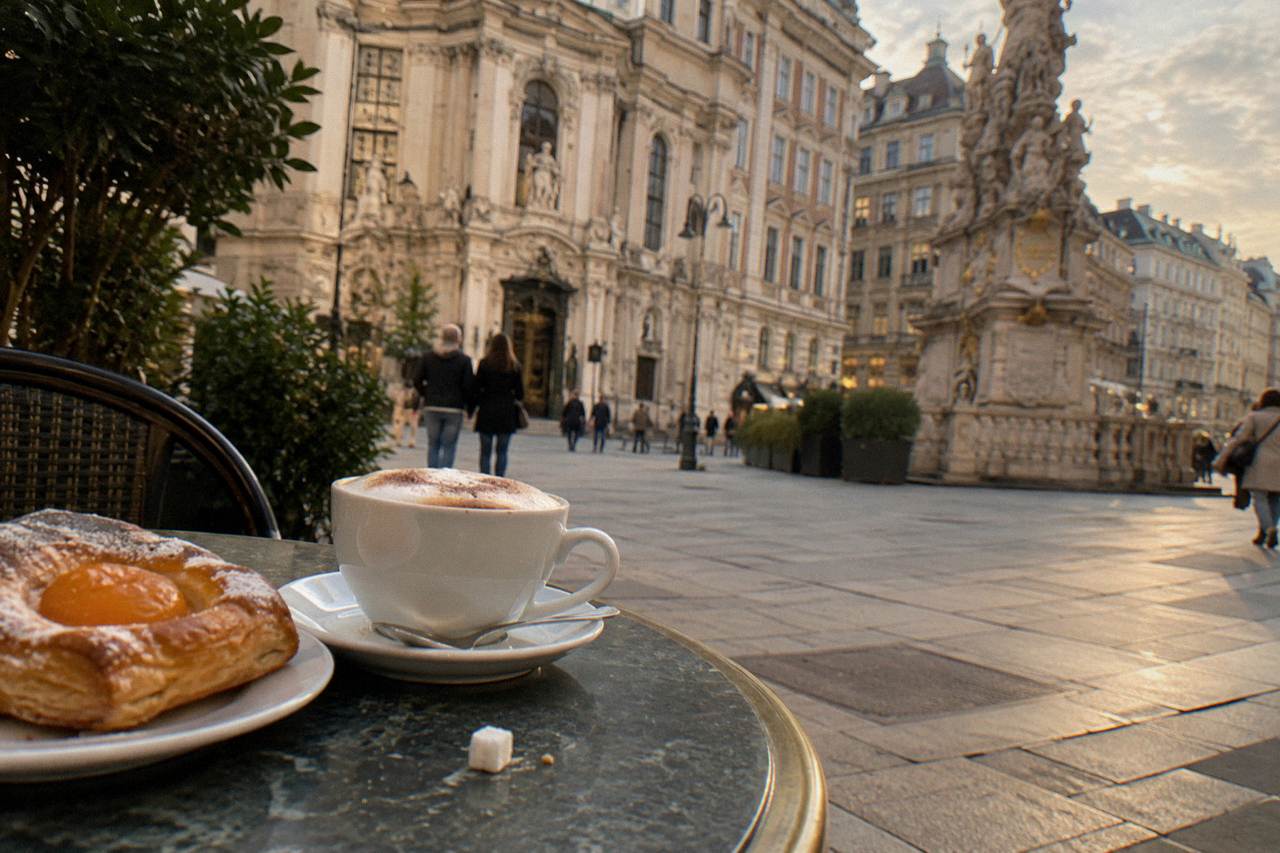
The honest framing matters. Vienna is a city where the food is the sightseeing. The Vienna Tourist Board recognises the coffee house, the sausage stand and the Heuriger as part of the city's intangible cultural heritage, and coffee house culture has sat on Austria's national inventory of that heritage since 2011. Where other capitals separate "attractions" from "dinner", Vienna blends them: the market is a landmark, the cake shop is a museum with forks. If you want to plan your days around tables instead of ticket lines, our honest answer to where Anthony Bourdain ate in Vienna points you toward the classic food worth crossing the city for.
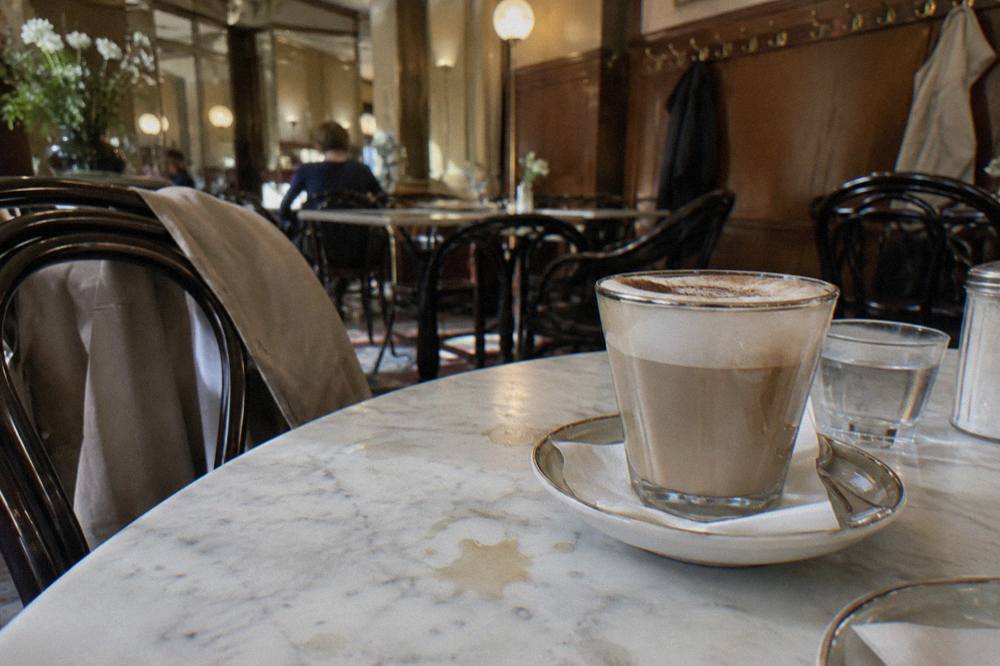
Balance that against the temper of the city. Vienna is orderly, sometimes to the point of stiffness. Service in traditional venues follows rituals, from the Gedeck cover charge to the way you state your total with tip included. Visitors who read up beforehand tend to enjoy it; visitors who arrive expecting constant buzz sometimes leave cold. Neither reaction is wrong, but knowing which traveller you are is half the answer to this question.
There is also a practical argument for 2026 and early 2027: several big projects are completing. The Naschpark green space with 70 new trees is already open, and full redevelopment of the Naschmarkt area, including the new timber Marktraum hall, is expected to wrap up in February 2027. Coming now means you see the market in its near-final shape without the worst of the construction.
What Makes Vienna Worth The Trip?
The short answer is density: a imperial-scale core you can walk end to end, vineyards reachable by tram, a market culture with fixed official hours, and food traditions protected as heritage. Vienna pairs grand architecture with small, cheap, everyday pleasures like sausage stands and self-service Heuriger buffets, so a good day does not require a big budget or a car.
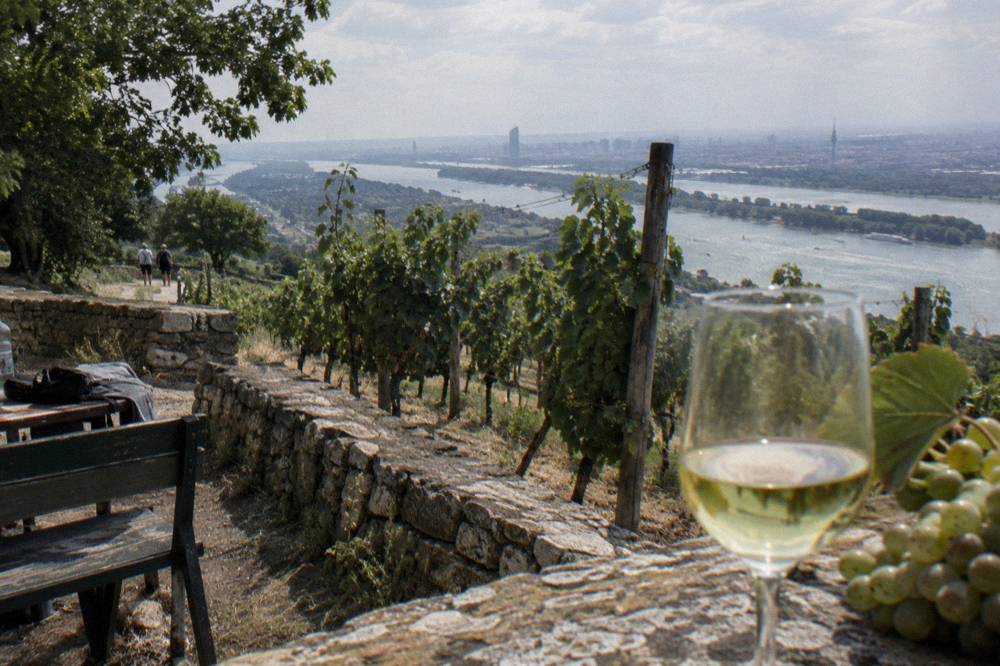
Start with the geography. Vienna is one of the few world capitals with commercial wine production inside the city: 588 hectares of vines, with Döbling holding 48 percent and Floridsdorf 38 percent, and a third of it farmed organically. You can take tram D to Nussdorf or bus 35A to Neustift am Walde and be standing in a working wine village within forty minutes of the centre. The Wine Hiking Day in late September 2026 sent walkers along four routes, from 10.8 km between Neustift am Walde and Nussdorf down to a 4.5 km Ottakring loop, with free entry and tastings sold at stations along the way. That event has passed for this year, but it shows how literally the city wears its vineyards.
Then there is the market layer. The Naschmarkt's stands operate within official maximum hours set by the city: sales stands to 21:00 on weekdays and 18:00 on Saturdays, restaurants to 23:00 Monday to Saturday, and every stand must be open between 15:00 and 18:00 Tuesday to Friday. That minimum-opening rule is a quiet traveller guarantee rare among European markets. The city's official Naschmarkt page carries the current windows, and our Naschmarkt hours and flea market guide breaks them down for planning.
If you want the market introduced rather than decoded, a guided walk does it with tastings built in. The five and a half hour coffeehouses, markets, lunch and street food walk is the broadest single-day option: it pairs the market with a classic coffee house, lunch and street food stops, with a vegetarian lunch option stated on the listing. Details of the exact stops and inclusions are on the operator's booking page.
Culture stacks up fast too. The palaces are genuinely worth the ticket money, and the MuseumsQuartier district turns even gallery-hopping into a cafe crawl. Winter adds the Christmas markets, 15 of them in 2026, per the City of Vienna press release: Rathausplatz from 13 November, Schönbrunn from 6 November, Spittelberg and Am Hof from 13 November. Our Vienna Christmas markets guide covers the food angle of each.
| Reason to go | What it looks like | Who it suits |
|---|---|---|
| Vineyards inside the city | 588 ha, 172 wineries, tram-reachable wine villages | Walkers, wine drinkers |
| Coffee house culture | National intangible heritage since 2011, marble tables, hours of lingering | Slow travellers, readers |
| Market life | Naschmarkt, Karmelitermarkt, Brunkenmarkt with guaranteed afternoon hours | Grazers, cooks |
| Christmas season | 15 markets, 814 stalls, November to December | Families, winter travellers |
| Everyday street food | Sausage stands recognised as part of city heritage | Budget eaters |
How Good Is The Food Scene Really?
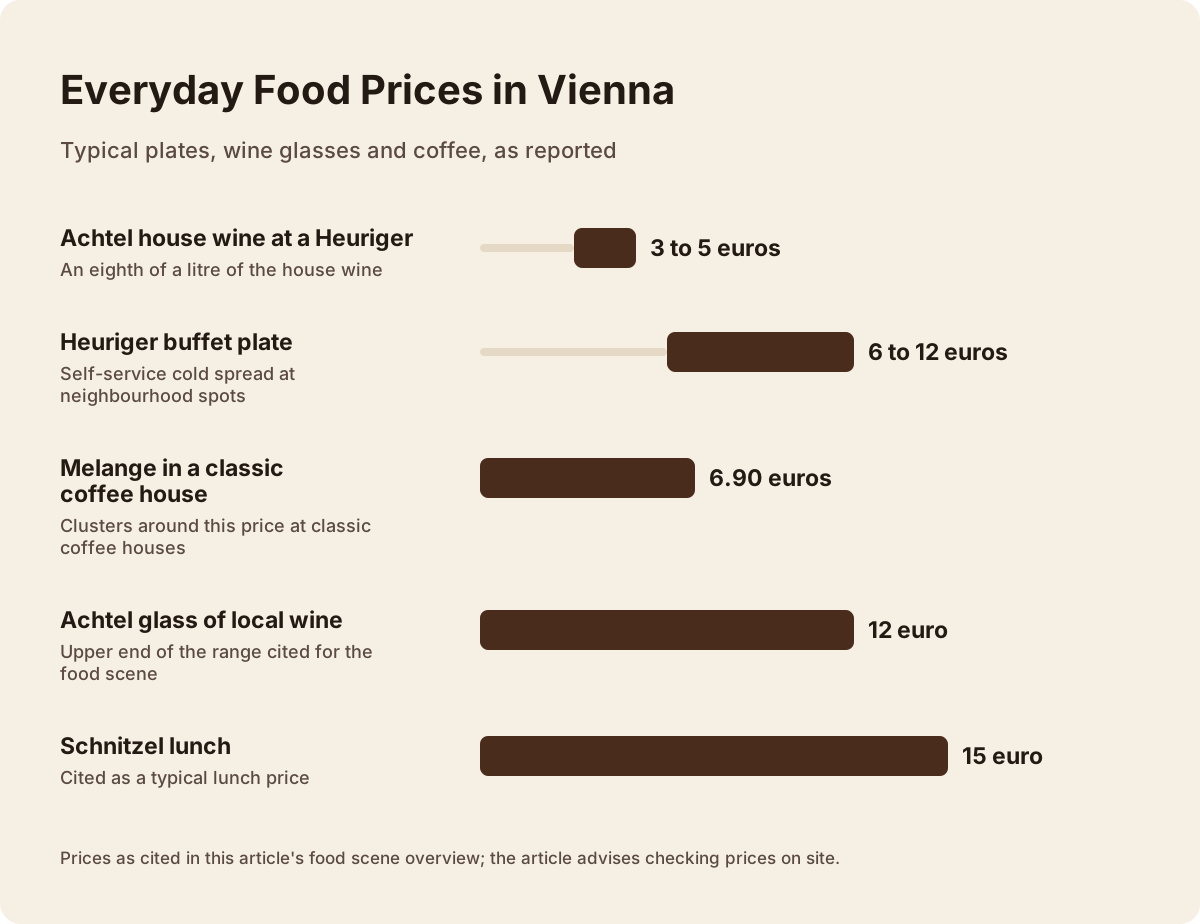
Very good, and unusually layered: Vienna holds two three-star restaurants in the 2026 Michelin guide, a revived neighbourhood Beisl scene earning new Bib Gourmands, and cheap traditional formats like the Heuriger buffet that still run around 6 to 12 euros for a cold plate. The food ranges from 15 euro schnitzel lunches to 12 euro Achtel glasses of local wine, so the scene is deep rather than uniformly expensive.
The top of the pyramid is easy to verify. Michelin's 2026 Austria guide, released in March, keeps Steirereck im Stadtpark and Amador at three stars, and Gault&Millau's 2026 Vienna list gives four restaurants its top five-Hauben rating. More interesting for most visitors is the middle: the revived Wirtshaus scene. Rosi in Rudolfsheim, a 1906 tavern reopened in late 2024 by a former Steirereck team, picked up a Bib Gourmand in 2026, alongside TIAN Bistro am Spittelberg for vegetarians and Gasthaus Tante Liesl.
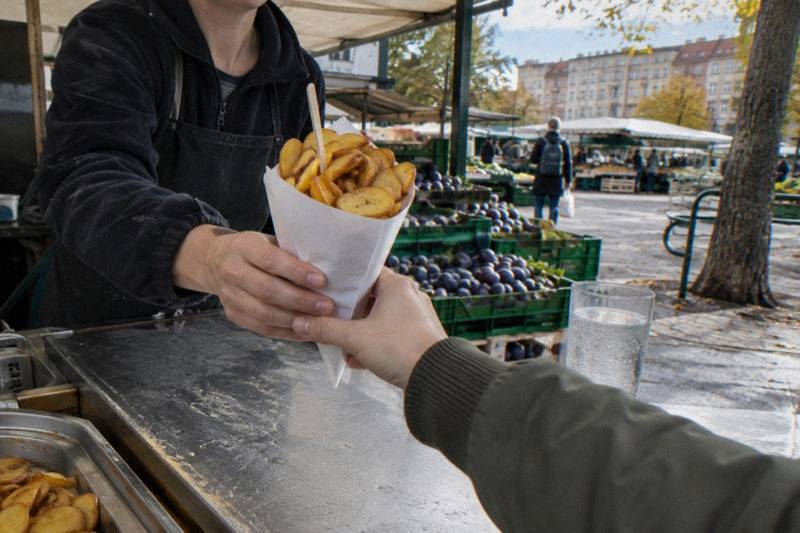
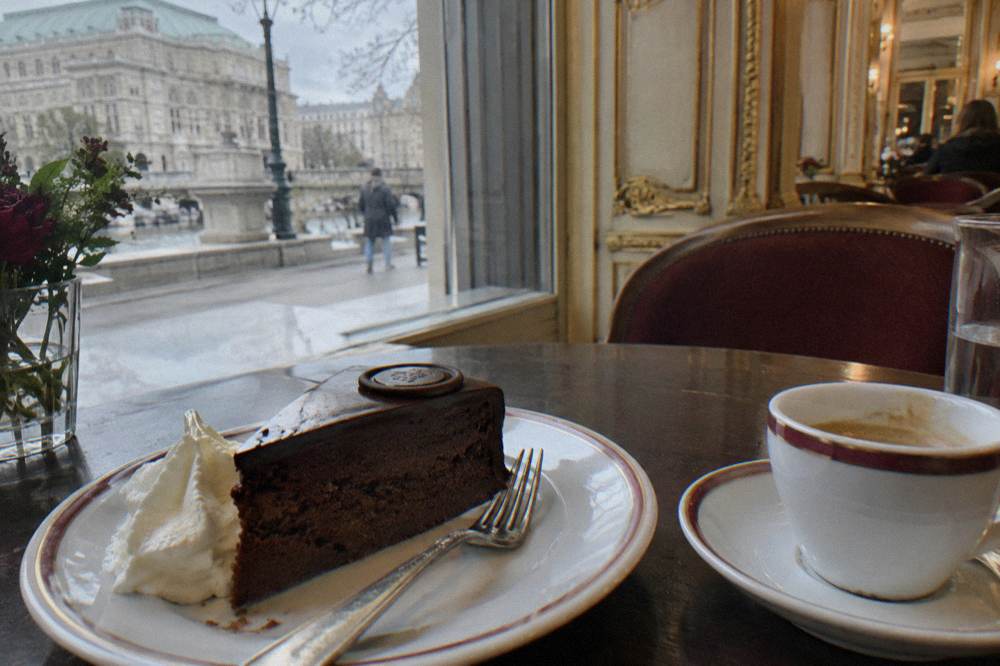
The everyday layer is where Vienna quietly wins. A traditional Heuriger buffet, the self-service cold spread of spreads, ham, cheese and pickles, typically runs 6 to 12 euros a plate at neighbourhood spots, with an Achtel, an eighth of a litre of the house wine, around 3 to 5 euros, all reported prices that you should check on the board. The classic coffee house is pricier: a Melange clusters around 6.90 euros at Landtmann-class houses, Sachertorte runs 8.50 euros at Demel and Landtmann, and the Original at Hotel Sacher is reported at 11.50 euros. Our cake and pastry guide maps which houses are worth which prices.
One honest gap in the bookable scene: no guided walk in our coverage is described as visiting a Heuriger. The wine experiences that exist are cellar tastings, Vienna Woods trips and countryside tours, all described from their listings. If the Heuriger evening is your main goal, plan it independently using our Heuriger visitor guide, and remember the pine bush over the door signals one that is actually open, since openings are seasonal and irregular.
What Are The Downsides Of Visiting Vienna?
The three real downsides are Sunday closures, coffee house costs with queues at the famous names, and a service culture that can feel brusque until you learn its rules. Most retail shuts on Sundays by law, a Melange near 7 euros adds up, and the big cake institutions draw lines, especially on wet afternoons. None of these are dealbreakers, but all are worth planning around.
Sundays first. Austrian opening law keeps ordinary shops and supermarkets closed on Sundays and public holidays, with exceptions mainly at stations and the airport. If you arrive on a Saturday night and need breakfast supplies on Sunday, your options narrow to station shops, bakeries and cafes. Many travellers actually enjoy the quiet, and museum and restaurant life continues, but shoppers should front-load purchases to Saturday. The Naschmarkt follows its own rules: stands close Saturdays by 18:00 and the market stands quiet on Sundays except its restaurants, which may serve to 21:00.
Costs second. The classic coffee house is a paid experience, not a cheap one. A Melange runs around 6.90 euros at Landtmann, Demel and Museum, Sachertorte at 8.50 euros at two of the big houses, and Kaiserschmarrn at Landtmann at 15.70 euros. Add the Gedeck cover charge of 2 to 5 euros that traditional restaurants may levy, legal only when printed on the menu, and a modest-looking cafe lunch can surprise you. Our etiquette and Gedeck guide explains the whole ritual, including the tap water question: of 30 Vienna venues, 23 charge for it, often 0.80 to 3.60 euros per half litre.
| Downside | The reality | Workaround |
|---|---|---|
| Sunday closures | Most shops and supermarkets shut | Station shops, bakeries, museums, markets' restaurants |
| Coffee house prices | Melange around 6.90 euros at classic houses | One long sitting instead of several short ones |
| Queues at famous houses | Sacher and Demel lines, worse in afternoons | Arrive early or after 16:00, or pick lesser-known houses |
| Gedeck cover charge | 2 to 5 euros, only if menu-listed | Read the menu before sitting |
| Cafe Central closed | Renovation since March 2026, reopening winter 2026 | Pop-up Decentral at Freyung 3 meanwhile, confirm on the cafe's site |
Queues and closures third. Cafe Central has been closed for major renovation since 16 March 2026, with reopening planned for winter 2026; its pop-up Decentral operates at Freyung 3 in the meantime. Hotel Sacher and Demel both draw Sachertorte queues, Sacher's longer and worse in the afternoon. The fix is simple: go early, go late, or spread your affection across houses like Sperl and Landtmann that take reservations. Landtmann accepts bookings; Demel generally does not.
The temper of service deserves one honest paragraph. Traditional waiters are professionals of an old school, not effusive. State your total with tip included when you pay, round up or leave 0.50 to 1 euro in coffee houses, and you will find the formality fades into something almost warm. Arrive expecting North American cheer and you may read the same waiter as rude. He is not; he is efficient in a language of gestures you have not learned yet.
How Expensive Is A Vienna Trip?
Counting mid-range travel, Vienna sits in the middle tier of Western European capitals: reported coffee house items run 6 to 12 euros, Heuriger buffets 6 to 12 euros a plate with wine at 3 to 5 euros an Achtel, and the local tourism tax is 5 percent of your accommodation base, rising to 8 percent from July 2027. Food-formatted guided walks run two to eight hours with prices on each listing, and the cheapest eating is genuinely cheap.
Build the day from verified pieces. Breakfast can be a coffee house affair, a Melange plus a pastry, roughly 10 to 15 euros at a classic house. Lunch at a market or sausage stand costs less than anywhere else in the city centre. Dinner at a Beisl lands between, and the Gedeck may add a couple of euros. A day of very good eating without any guided element is entirely possible in the 40 to 60 euro range per person, reported figures that shift with the venue, so treat them as planning ranges and check each menu. More of these guides are collected on Vienna Food Tours.
| Spend item | Typical reported range | Notes |
|---|---|---|
| Melange at a classic house | around 6.90 euros | Cluster across Landtmann-class houses |
| Sachertorte slice | 8.50 to 11.50 euros | Demel and Landtmann at the low end, Hotel Sacher at the top |
| Sausage stand lunch | a few euros | Heritage-listed format, cheapest full meal |
| Heuriger buffet plate | 6 to 12 euros | Self-service, neighbourhood spots |
| Achtel of house wine | 3 to 5 euros | At the Heuriger |
| Gedeck cover charge | 2 to 5 euros | Only if menu-listed |
Guided formats stretch the budget upward but fold several stops into one price. The tours listed here span a 45-minute hidden wine cellar tasting, a one-hour beer tasting, two-hour market walks and full-day Vienna Woods wine trips of up to eight hours. Prices live on each operator's listing rather than in this guide, because they move with season and demand. What the listings do state up front: durations, group formats, and inclusions like the vegetarian lunch option on the main food walk and the three drinks included on the authentic five-hour walk.
One cost to note early rather than late: the Ortstaxe, Vienna's tourist tax, is 5 percent of your accommodation base now and rises to 8 percent on 1 July 2027. It is collected by your hotel and appears on the bill, so a 2027 summer booking prices slightly differently than the same room today. Where to base yourself matters too; our where to stay for food lovers guide matches neighbourhoods to eating style.
When Is The Best Time To Visit Vienna?
For food specifically, September and October win: the wine harvest lands, Sturm, the cloudy half-fermented must, appears briefly at the Heurigen, and the 2026 vintage is described as very good despite lower yields. November and December bring 15 Christmas markets, spring is mild and quiet, and summer is hot, busy and full of festivals.
Autumn is the connoisseur's window. The 2026 harvest came early after heat and drought cut yields by 30 to 40 percent, but the quality verdict from growers is very good, and Wiener Gemischter Satz, the city's signature field blend of at least three varieties, cannot legally be sold before 1 December of the harvest year for the basic tier. Order the previous vintage in autumn and the new one from December onward. Sturm season, September to October, is a two-month window of fizzy, sweet, partially fermented must that exists nowhere else in quite this form.
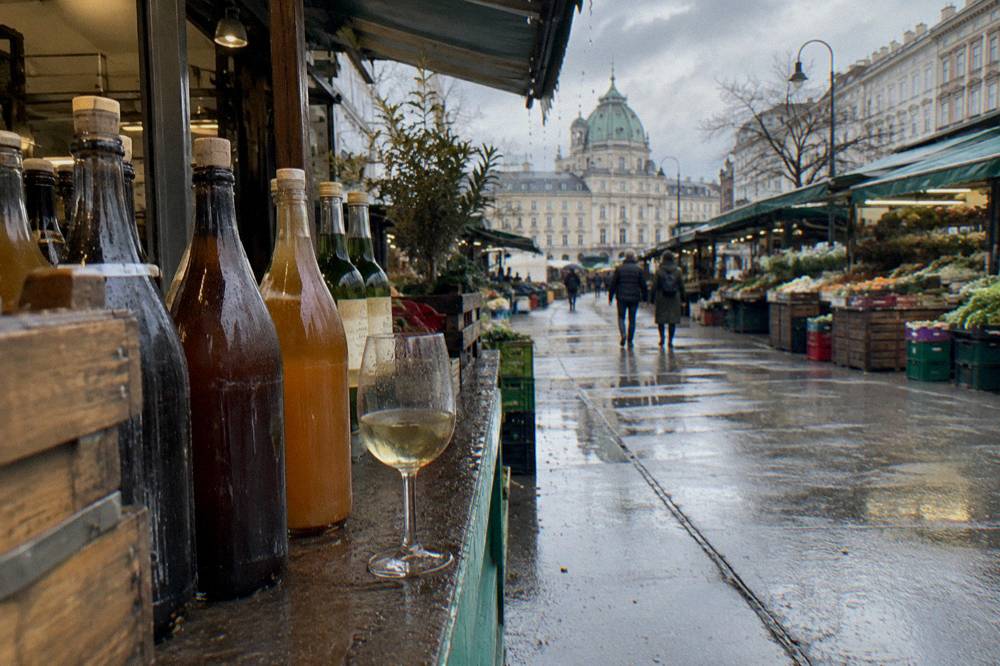
Winter is the spectacle window. The Christmas markets open in waves from 6 November 2026, Schönbrunn first, then the mass opening on 13 November, and run through 23 or 26 December, with Belvedere stretching to 31 December. Fifteen markets and 814 stalls is a lot of punch and roast chestnuts. The tradeoff is short days and cold nights, though Vienna's indoor layer, coffee houses, cellars, museums, is built for exactly that weather. Our best time to visit for food guide goes deeper on every season.
Spring and summer each have an argument. Spring brings asparagus season and lighter crowds before the summer festival machine starts. Summer delivers the Ottakringer Bierfest, which in 2026 ran from July to early September at the brewery with more than twenty tapped beers and street food, though that edition has ended, plus open-air film and long terrace evenings. Against that: heat, because Vienna sits far enough east to genuinely warm up, and peak crowds in the core. Hydrate, book tables, and lean on the evening.
| Season | Food highlight | Tradeoff |
|---|---|---|
| Spring | Asparagus and Lenten cakes, quiet coffee houses | Some Heurigen still on winter hours |
| Summer | Bierfest, terraces, festival food | Heat and peak crowds |
| Autumn | Harvest, Sturm season, wine hiking window | Weather-variable |
| Winter | 15 Christmas markets, 814 stalls, cellar season | Short days, cold nights |
How Many Days Do You Need In Vienna?
Three full days is the honest minimum for a food-led visit: one for the inner city and coffee houses, one for markets and street food, and one for the wine hills at the city edge. Four or five days let you add a Wachau valley wine day trip, which runs eight and a half hours as a booked small-group tour, or a cooking class. Two days works only if you skip the vineyards entirely.
The logic is spatial. Vienna's food districts are scattered: the Naschmarkt sits southwest of the core, Karmelitermarkt and the sausage stand culture sit in and around the centre, and the wine villages of Nussdorf, Grinzing, Neustift and Stammersdorf climb the hills at the northern and southern edges. Each cluster rewards a half day minimum, and rushing between them in a single day turns eating into commuting. Our three-day itinerary sequences them properly.
Day one, the classics: inner city walk, one grand coffee house sitting, a cake comparison if you are serious about it, and a sausage stand for the late-afternoon gap. Day two, the markets: Naschmarkt in the morning when produce looks best, the flea market if it is Saturday, and a guided tasting walk if you want the stalls decoded with food included. Day three, the hills: tram D or bus 35A up to the wine villages, a Heuriger buffet lunch, and a slow descent. That structure covers every heritage-listed food format the city has.
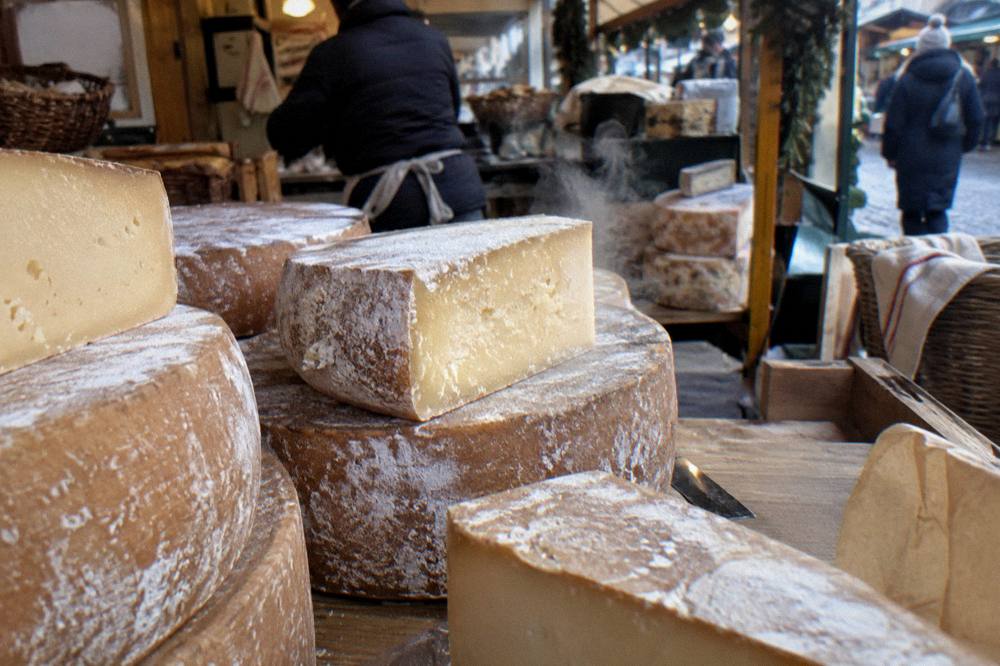
Add days for depth rather than distance. A cooking class, schnitzel and strudel formats run about three hours, makes a good fourth-day anchor, and the Wachau valley trip west of the city fills a fifth with vineyard landscapes and tastings. Beyond five days you are living in Vienna rather than visiting it, which is a fine ambition but a different article. For a first visit, three to five days answers the question with room to breathe.
Should You Book A Guided Food Walk In Vienna?
Book one if you want tastings, market decoding and coffee house context folded into a single payment, because the listings include multiple stops, food and in several cases drinks or a full lunch. Skip booking if your budget is tight and you are happy assembling the same day yourself with this site's guides, since self-guided eating in Vienna is genuinely easy.
The case for a walk is efficiency plus access. The main five-and-a-half-hour food walk bundles a coffee house, the market, lunch and street food with local stories between stops, and states a vegetarian lunch option on the listing. Shorter formats exist for every appetite: a two-hour Naschmarkt tasting walk, a two-and-a-half-hour best-of walk, a three-and-a-half-hour coffeehouse tour built on pastries and stories, and a private option with a choice of six or ten tastings. Evening formats pair dinner with wine and cocktails over four hours in a small group.
The case against is equally honest. Vienna is legible. Stands have printed prices, the market's hours are published by the city, and every format a walk covers can be bought piecemeal on foot for less money if you do the research. What you cannot buy piecemeal is the narration, the queue-skipping knowledge of which stall matters, and the structured progression from coffee house to market to street food that turns a day of snacking into a coherent story of the city.
Dietary needs deserve a flag here. Beyond the vegetarian lunch options stated for the main walk, the authentic walk and the private tour, the listings do not state vegan or gluten-free provisions, so message the operator before booking if that matters to you. That flexibility is the strongest argument for booking early rather than on arrival.
The verdict on Vienna, then, is food-led and firm. If your ideal trip includes long coffee house sittings, market lunches, wine poured at the vineyard that grew it and cake treated as architecture, Vienna is not just worth visiting, it is one of Europe's best cities for exactly that trip. If you want nightlife, beaches or bargain prices, temper the expectation, come for three days, eat extremely well, and move on satisfied rather than converted.
Common Questions About Whether Vienna Is Worth Visiting
Is Vienna Worth Visiting?
Yes, for most travellers. The city pairs imperial architecture with vineyards inside the city limits, heritage-listed coffee house and sausage stand culture, 15 Christmas markets in season and a deep, layered food scene from 3 euro Achtel wine to two three-star restaurants. It suits slow, food-led travel more than nightlife or bargain hunting.
Is Vienna Worth Visiting In Winter?
Yes, if you come for the Christmas markets. The 2026 season runs 15 markets with 814 stalls, from 6 November at Schönbrunn through late December, with Belvedere to 31 December. Short days and cold nights are the tradeoff, but the indoor layer of coffee houses and cellars is built for it.
Is Vienna Too Expensive?
It is mid-tier for Western Europe. Coffee house items are reported around 6.90 euros for a Melange and 8.50 to 11.50 euros for a Sachertorte slice, but sausage stand lunches cost a few euros and Heuriger buffet plates run 6 to 12 euros. Budget eaters can do very well.
Is Vienna Boring On Sundays?
Quiet, not boring. Most shops and supermarkets close by law, but museums, restaurants and market restaurants stay open, and station shops sell essentials. Plan any shopping for Saturday and treat Sunday as a museum and coffee house day.
How Many Days Are Enough In Vienna?
Three full days covers the core: inner city and coffee houses, markets and street food, and a wine village at the city edge. Four or five days allow a cooking class or a Wachau valley wine day trip, which runs eight and a half hours as a booked small-group tour.
Is Vienna Good For Food Lovers Specifically?
Exceptionally good. Coffee house culture has been on Austria's national intangible heritage inventory since 2011, roughly a hundred Heurigen still pour their own wine, and Michelin's 2026 guide keeps two three-star restaurants in the city alongside a revived neighbourhood tavern scene.