How Much Is Coffee In Vienna?
Coffee prices in Vienna explained: Melange costs at the classic houses, cake prices, cover charges, tipping, and how a guided coffee house tour compares.
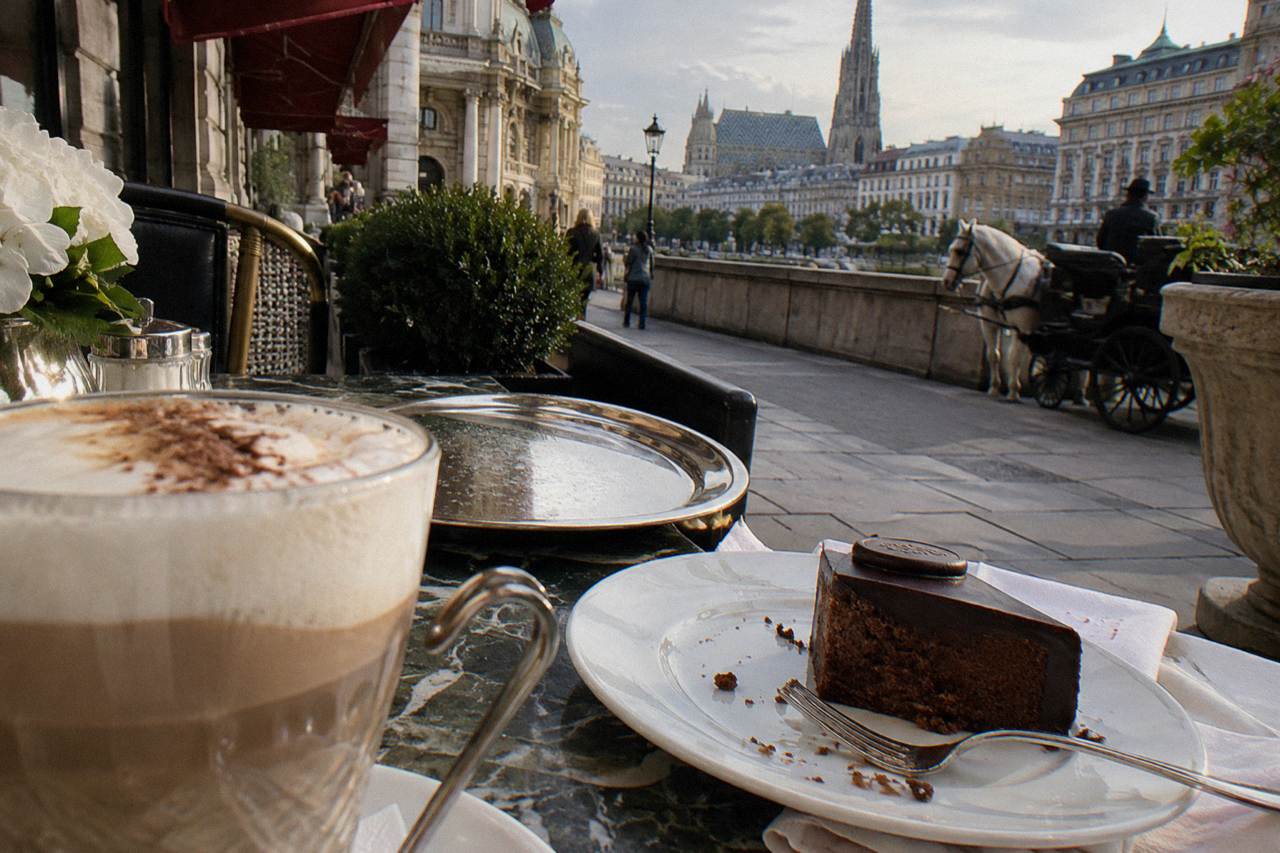
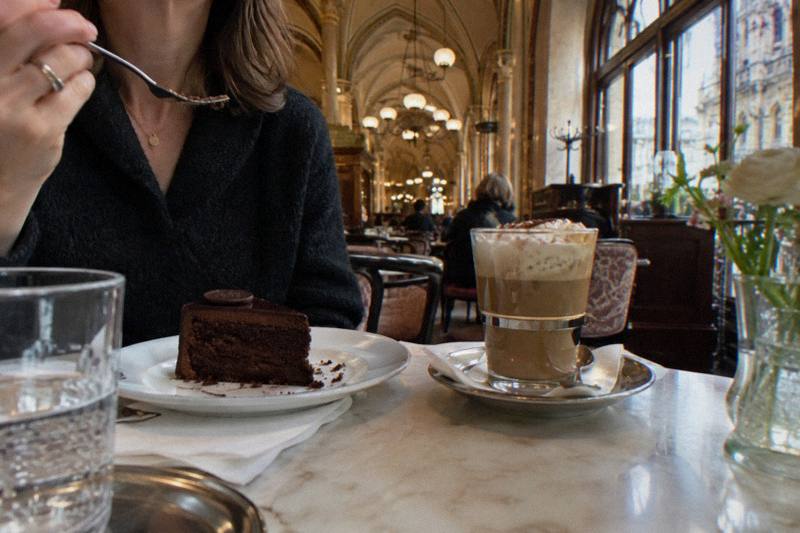
A Melange, the classic Viennese coffee, costs around 5.40 to 6.90 euros a glass at the famous houses, with a simpler black coffee or a Verlängerter usually a little less. At everyday cafes away from the Ringstrasse, prices run noticeably lower. Cake is the item that moves the bill: a slice at the grand houses costs 8 to 12 euros. If coffee and cake sounds like your kind of morning, our guide to a common Viennese breakfast explains what locals order and how the whole ritual works.
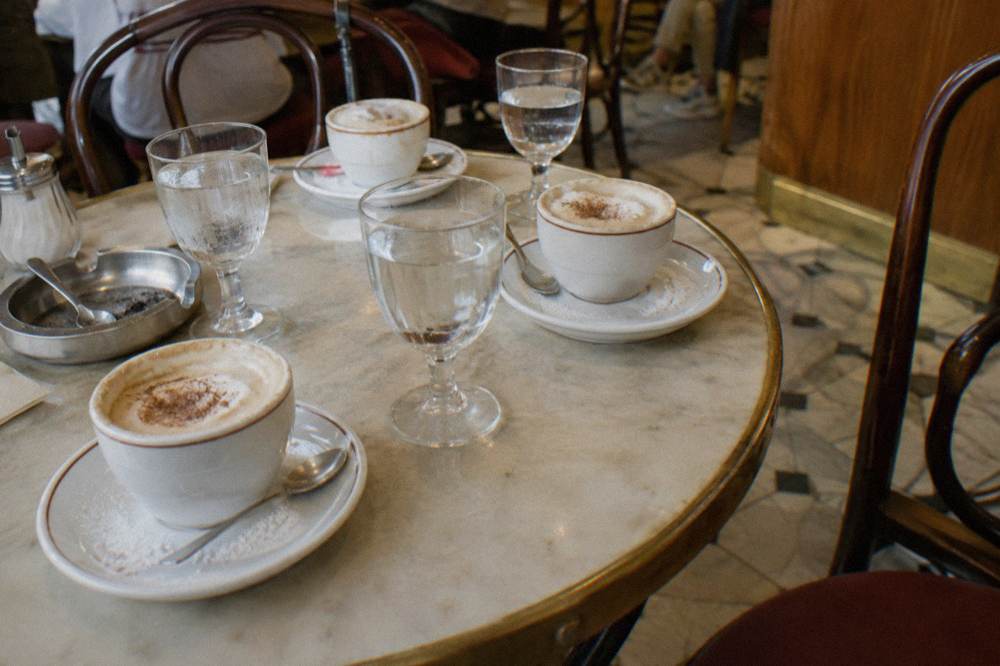
Vienna prices its coffee the way Paris prices its terraces: you are renting a seat in a room with chandeliers, newspapers on wooden holders and a waiter who expects you to linger. That is the honest answer behind every price list in this article. The Melange, half coffee and half steamed milk with a foam crown, is the reference point locals use, and tracking its price across houses tells you almost everything about how Vienna's cafe economy works.
The classic houses show a tight cluster. Café Landtmann lists a Melange at 6.90 euros, Café Demel at 6.90 euros, and the pop-up Decentral, which is Café Central's temporary home during its renovation, at 5.40 euros. A city-wide average does not really exist, so treat those named figures as the honest anchors rather than inventing a midpoint.
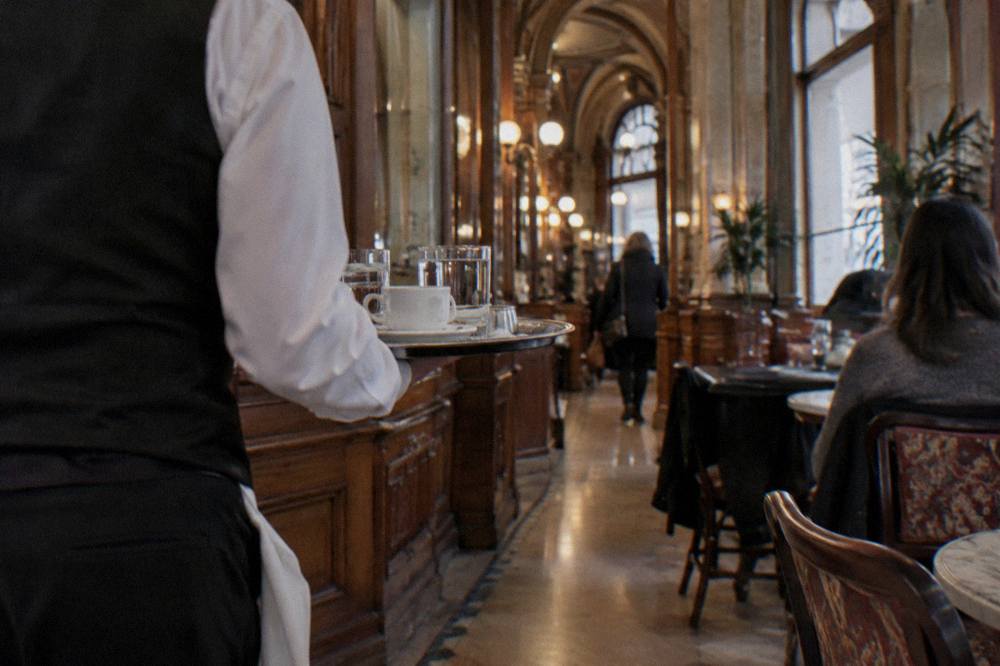
One structural fact explains why coffee here can feel pricey and still feel fair. Viennese coffee house culture was recognised on Austria's national inventory of intangible cultural heritage in 2011, a status it still holds, and the national inventory entry describes exactly the slow, unhurried use of these rooms that the price supports. Nobody will hurry you off a table, which means each seat earns the house fewer turns per day than a fast espresso bar ever could.
The menu itself is part of the experience and part of the confusion. A traditional coffee house lists a dozen or more named coffees, and the names carry precise meanings: a kleiner Brauner is a small coffee with a little cream, a grosser Brauner its larger sibling, a Verlängerter is an espresso lengthened with hot water, a Maria Theresia laced with orange liqueur, and a Fiaker, named for the horse-drawn cab, spiked with a shot of rum or kirsch. Each of these sits close to the Melange in price at the grand houses, so ordering bravely off the named list rarely costs much more than playing safe, and it is the single most enjoyable way to spend the difference between an ordinary coffee stop and a Viennese one.
If you want the classic experience without reading a dozen menus, the guided option bundles several houses into one outing.
What A Melange Costs At The Famous Houses?
Across the named grand houses, a Melange sits between 5.40 and 6.90 euros, with Landtmann and Demel at the top of that range and the Decentral pop-up at the bottom. The classic houses charge around 6.90 euros, a striking consistency for a city this size.
The detail worth knowing is that this cluster is not an accident. A 2026 price survey of Melange prices found Landtmann, Museum and Schwarzenberg all listing essentially the same figure, which tells you the grand houses track each other closely. You are not going to save meaningfully by choosing one chandelier over another, so choose on atmosphere, location and queue length instead.
Café Central deserves its own paragraph because it is the one house visitors most often plan around, and its situation has changed. Central has been closed for major renovation since 16 March 2026, with reopening planned for winter 2026, and meanwhile it runs a pop-up called Decentral at Freyung 3, open daily roughly 08:30 to 20:00. Decentral's reported prices, a Melange at 5.40 euros and an Apfelstrudel at 5.90 euros, are actually below the grand-house cluster, which makes it a genuinely useful option right now. Confirm the reopening status on the cafe's own site before you plan a visit to the original address on Herrengasse.
A guided coffee house walk turns those price questions into one decision. The Vienna guided Viennese coffee house tour, about three hours, moves through several houses with the coffee included, so the per-glass arithmetic is done for you and a guide handles the ordering, the history and the seating. Inclusions and the meeting point are on the booking page, and checking them before you book is the sensible habit with any walking tour.
How Much Is Cake And Sachertorte In Vienna?
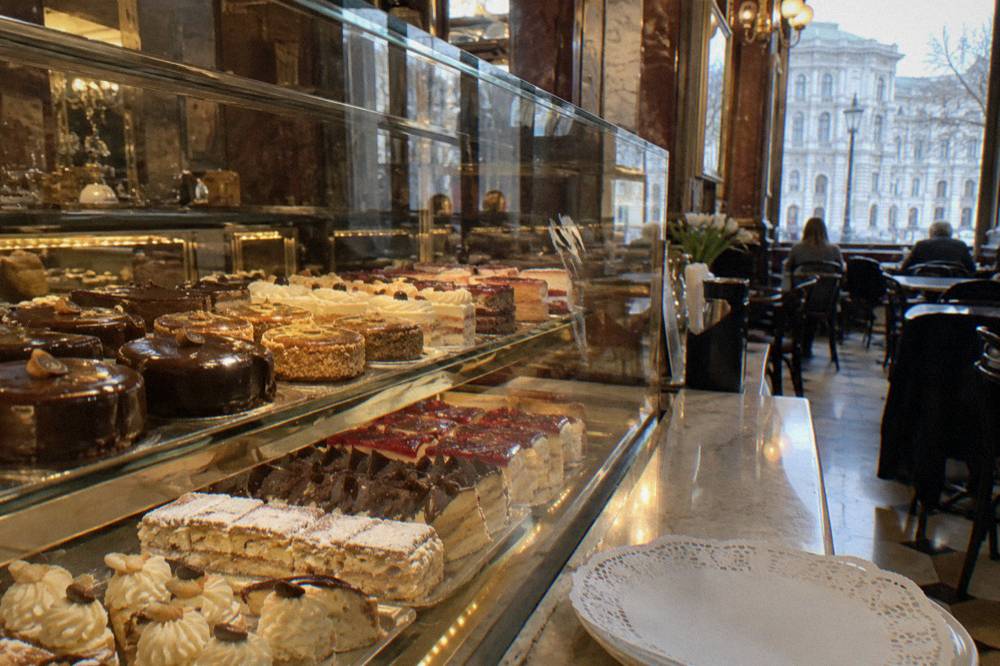
Cake at the grand houses costs roughly 8 to 12 euros a slice: Café Landtmann lists Sachertorte at 8.50 euros and Kaiserschmarrn at 15.70, Café Demel Sachertorte at 8.50 and Apfelstrudel at 9.50, and the Hotel Sacher cafe an Original Sachertorte slice at around 11.50 euros.
Cake, not coffee, is the line that doubles your bill. Menu prices are fairly consistent: The Hotel Sacher cafe's Original Sachertorte slice costs about 11.50 euros, with a spread of roughly 8.90 to 10.50, so expect it to be the most expensive slice in the city and check the menu on arrival.
The Sachertorte question is genuinely a two-sided one, and it is a legal distinction as much as a culinary one. Hotel Sacher holds the "Original" designation, a sealed cake with two apricot layers, while Demel serves its rival version with a triangular seal and a single layer, a dispute that runs back decades and persisted in 2026 sources. Our longer treatment of the two houses, Sachertorte or Demel, where to eat the cake, goes through the differences; the short version for your wallet is that both slices cost the same reported 8.50 euros, so the choice is about cake, not price.
Queues are part of the cost too, in time rather than euros. 2026 guidance reports longer queues at Hotel Sacher, especially in afternoons, and typically shorter ones at Demel, with early mornings or post-16:00 arrivals recommended at both. Landtmann accepts reservations and Demel generally does not, which matters if you are planning a fixed coffee stop between sightseeing.
Here is the reported picture in one table, all figures in euros, and worth confirming on the day.
| House | Melange | Sachertorte | Apfelstrudel | Kaiserschmarrn |
|---|---|---|---|---|
| Café Landtmann | 6.90 | 8.50 | 8.20 | 15.70 |
| Café Demel | 6.90 | 8.50 | 9.50 | 12.90 |
| Decentral (Central pop-up) | 5.40 | not listed in the data | 5.90 | not listed in the data |
| Hotel Sacher cafe | not listed in the data | about 11.50 reported | not listed in the data | not listed in the data |
A tasting walk built around pastries solves the choice problem by simply covering more ground. The Vienna coffeehouse tour focused on pastries, bites and local stories runs about three and a half hours and includes the sweets along the way; what exactly is poured and plated is listed on the booking page.
Where Is Coffee Cheap In Vienna?
Away from the grand houses, coffee in Vienna gets cheaper fast: espresso bars, bakery cafes and the city's wave of modern specialty shops sell good coffee well below the 6.90 euro ceiling, and a sitting fee logic mostly disappears with the chandeliers. The honest caveat is that no verified price survey of everyday cafes exists, so no city average can be printed here.
The structure of the market is clear even where the individual figures are not. The grand houses sell time and architecture; a bakery counter sells coffee as a companion to a pastry you were buying anyway; a specialty roaster sells the coffee itself and often expects you to leave after it. Price follows the business model, and knowing which model you are standing in is the single best predictor of the bill.
The free and cheap side of Vienna's food scene is covered in our budget and free things guide, and coffee fits the same logic. Window shopping the great houses costs nothing, and the fresh fact worth holding onto is that Vienna's coffee culture has an annual focal point: the Vienna Coffee Festival ran 11 to 13 September 2026 at Marx Halle with admission around 14 to 20 euros, and the 2027 edition is already set for 10 to 12 September. That is a lot of coffee for the price of two Melangen.
Two practical notes that quietly shape cafe bills citywide. Austrian gastronomy has been smoke-free indoors since 1 November 2019, so every coffee house seat is a smoke-free one, a point the official business portal rules confirm with no exception for traditional venues. And tap water, famously, may legally be charged if it is on the menu: a 2026 sample of 30 Vienna venues by the Arbeiterkammer found 23 charged for it, often 0.80 to 3.60 euros per half litre, so do not assume the water glass on the marble is free.
How Does A Coffee Tour Price Compare To Paying Separately?
The three coffee-focused walking experiences on this site run from 2.5 to 3.5 hours, and each bundles multiple coffee and cake stops into one price, while a self-guided day of two grand-house visits with cake would cost somewhere in the twenties of euros a person in reported menu figures. Which wins depends on how many stops you actually want, not on any single price.
Think through the arithmetic on the independent version before dismissing it. A Melange plus Sachertorte at Landtmann is a two-item bill built from 6.90 and 8.50 euros; do the same at Decentral with a Melange and an Apfelstrudel and you are adding 5.40 and 5.90 to the day. Two houses, four items, no guide, no stories, and total flexibility about when to move on. That is your comparison baseline, built entirely from the reported figures above, and it is the honest way to judge whether a tour price suits you.
The guided alternatives each buy something the independent walk cannot. The three-hour guided Viennese coffee house tour covers the houses with a guide choosing the route; the three-and-a-half-hour coffeehouse pastries tour leans into the sweets and the stories; the 2.5-hour coffee, cake and chocolate tour adds a chocolate dimension and is the shortest commitment of the three. Tour prices and what each includes, how many stops, what is tasted, where you meet, are on each booking page, and comparing them there takes two minutes. If a coffee house walk sounds like the right way to start a morning, our guide to what Viennese locals eat for breakfast covers the dishes, the prices, and the neighborhoods worth waking up in.
| Experience | Length | Format | Best fit |
|---|---|---|---|
| Guided Viennese coffee house tour | about 3 hours | guided walk, several houses | First-timers who want the classic rooms explained |
| Coffeehouse pastries, bites and stories | about 3.5 hours | guided walk, sweet-led | Visitors who care more about cake than coffee |
| Coffee, cake and chocolate tour | about 2.5 hours | guided walk, chocolate included | Tight schedules and families |
The short coffee, cake and chocolate option is the one to look at if the budget or the calendar is thin.
What Extra Charges Appear On A Vienna Cafe Bill?
Three items can quietly add to a Vienna cafe bill: a Gedeck cover charge of 2 to 5 euros per person in traditional venues, legal only if listed on the menu; tap water that may be charged when printed on the menu; and a tip of 5 to 10 percent at restaurants, or simply rounding up in coffee houses. None are hidden, but all three surprise first-time visitors.
The Gedeck is the classic one. It covers the bread, butter, spreads and table setting, it is payable whether or not you touch any of it, and in coffee houses it is less common than in traditional restaurants, but the rule is absolute: if it is not on the menu, it cannot be charged. Our full walkthrough of these customs is in Vienna restaurant etiquette, Gedeck and tap water, which also covers how to complain politely and correctly if a bill contains a charge that was never printed.
Tipping in coffee houses is lighter than in restaurants. The reported custom is rounding up, or leaving 0.50 to 1 euro, as part of the small ritual of the visit; in restaurants the norm is 5 to 10 percent, stated as the total you want when you pay, with a "Stimmt so" doing the work if you cannot face the arithmetic. Our tipping in Vienna guide covers the phrases.
Service itself is included by law in Austrian prices, which is why the tipping culture stays modest. The waiter is not working for tips the way an American server is, and the slightly brusque, formal service of a grand coffee house is the house style rather than a comment on you. Regulars are known, greeted by name, and given their usual table; a first-timer gets the same correctness without the familiarity, and after two visits to the same house you will start to feel the shift yourself.
One more habit worth borrowing from locals: take the newspaper. The wooden holders stacked beside the booths are not decoration, and reading the international papers for an hour over one coffee is precisely the use the heritage listing describes. A house that priced by the minute could never afford that ritual, and the Melange price is, in a real sense, the subscription fee.
How Much Should You Budget For A Coffee House Day?
For one grand-house visit with coffee and cake, budget roughly 13 to 20 euros per person from the reported 2026 figures; for two houses plus a mid-range lunch stop, 35 to 45 euros is a realistic planning range. A guided coffee tour replaces that uncertainty with one known price, plus it gets you seated without the queue arithmetic.
Those planning ranges come straight from the menu data above, pairing a Melange with one cake at the reported house prices, and they should be read as planning figures rather than promises. Check the menu on arrival, because every figure in this article reflects current menus and menus move. Where a house lists no figure for the item you want, the honest answer is the menu in the room, not a guess from another house.
Timing changes the day as much as money does. The houses are quietest in mid-morning before the tour groups and again after 16:00, which is exactly the window the queue guidance recommends for Sacher and Demel anyway. Sunday is a natural coffee house day in Vienna precisely because retail is mostly closed, and the coffee houses, as gastronomy, are open.
For a full picture of which rooms to choose and why, start with our Vienna coffee house culture guide and the house-by-house best coffee houses in Vienna rundown. If your day starts earlier than the chandeliers open, the Vienna breakfast guide covers the morning side of the same tradition. This article sits inside Vienna Food Tours, where the coffee pages, the market guides and the tour comparisons are written against the same verified figures.
The guided route through several houses remains the cleanest way to convert a coffee budget into a coffee afternoon.
Common Questions About Coffee Prices In Vienna
How Much Is Coffee In Vienna?
A Melange costs around 5.40 to 6.90 euros at the famous houses, with the grand houses clustered at 6.90 and the Decentral pop-up at 5.40. Cake costs more than the coffee: 8 to 12 euros a slice at the same houses.
Is Coffee Expensive In Vienna?
By European capital standards, no. The price buys unlimited table time in rooms that are mostly heritage-listed interiors. Everyday cafes and bakery counters sit well below the grand-house figures, though no verified city average exists to quote.
Why Do Coffee Houses Charge For Tap Water?
Austrian law allows a charge for tap water if the price is printed on the menu. A 2026 Arbeiterkammer sample of 30 Vienna venues found 23 charged between 0.80 and 3.60 euros per half litre.
How Much Is A Sachertorte Slice?
Reported 2026 figures: 8.50 euros at Landtmann and Demel, and about 11.50 euros for the Original Sachertorte slice at the Hotel Sacher cafe, with other reports noting a spread of roughly 8.90 to 10.50.
Do I Tip In A Viennese Coffee House?
Light tipping is the custom: round up or leave 0.50 to 1 euro. In restaurants the norm rises to 5 to 10 percent, stated as the total you want when paying.
Is Cafe Central Open?
No. It has been closed for major renovation since 16 March 2026, with reopening planned for winter 2026. Its pop-up Decentral operates at Freyung 3, daily roughly 08:30 to 20:00; confirm on the cafe's own site.