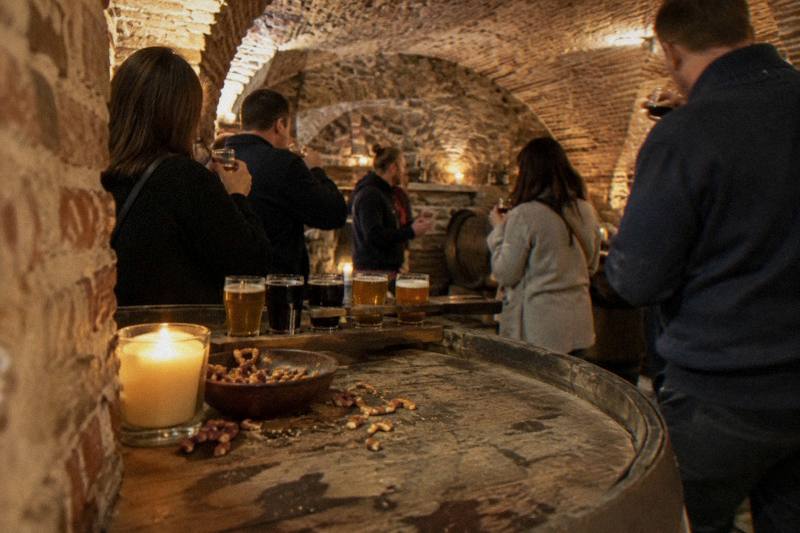
Vienna Beer Guide: Beisl Pints, Craft Breweries And Beer Tastings
Vienna markets itself on wine, coffee and cake, but the city runs on lager too. This guide covers the local breweries, the craft beer scene, how to order a beer in a Beisl like a local, and the one guided tasting worth knowing about.
Short answer
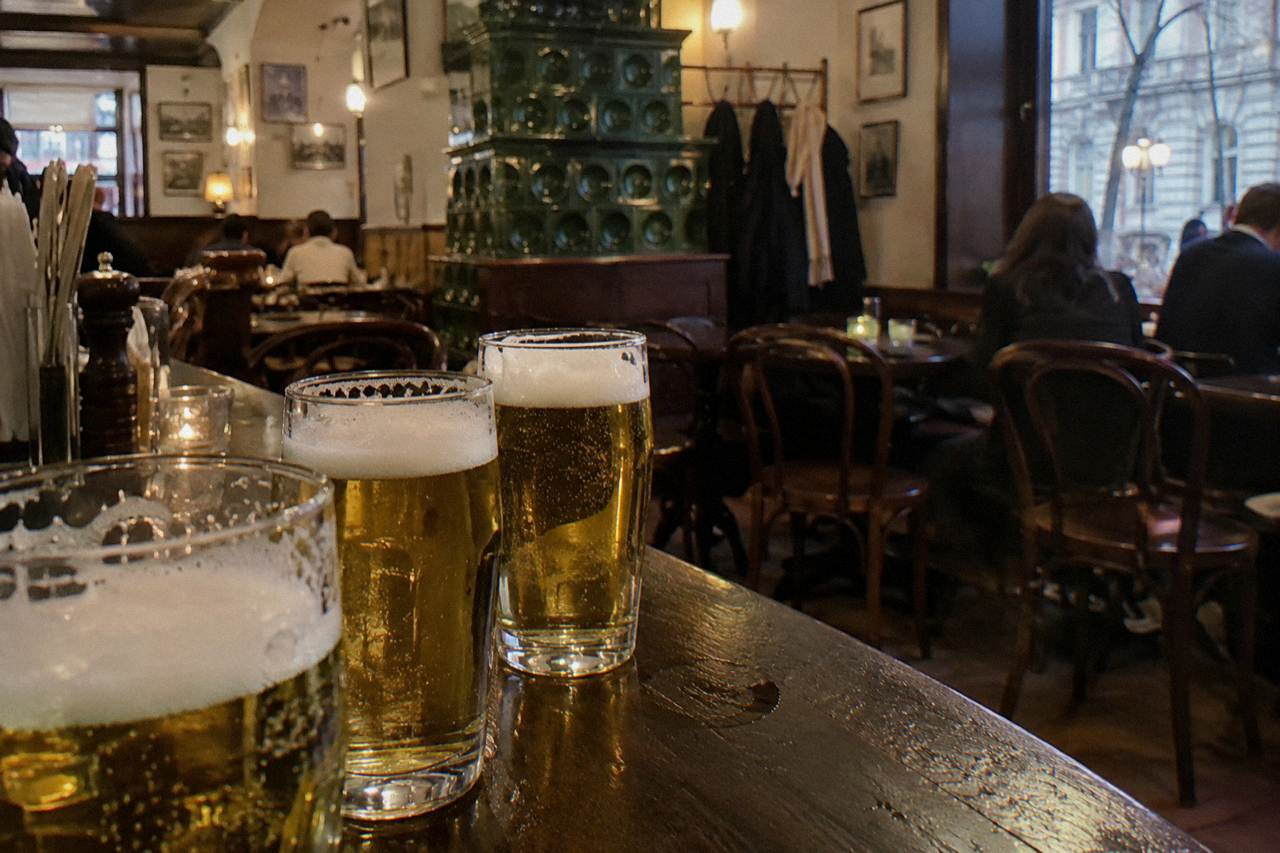
Vienna's beer culture centres on crisp local lagers, above all Ottakringer, the last big brewery inside the city, poured in traditional Beisln and beer halls. A guided regional beer tasting runs about 1 hour and walks you through Austrian styles with a guide. Craft brewing has grown around Ottakringer and a handful of brewpubs, and the big annual event, Ottakringer Bierfest, ran from 2 July to 4 September 2026.
Vienna is a wine city that drinks a great deal of beer. The vineyards on the hillsides get the postcards, but down in the neighbourhoods, the default pour in a Beisl, the traditional Viennese gastropub, is a pale lager, usually from Ottakringer, the last large brewery still operating inside the city limits. Understanding that pairing, wine for the weekend Heuriger trip, lager for the weekday plate of schnitzel, tells you a lot about how eating and drinking in Vienna actually work.
This guide walks through the beer side of the city: what locals order, where the craft scene has taken root, how to order without marking yourself as a tourist, and how a guided tasting fits into a trip. There is also a note on the city's big annual beer event, which finished its 2026 run in September, and a short comparison of the drinking cultures so you can plan your evenings sensibly.
What Beer Do Locals Actually Drink In Vienna?
The default beer in Vienna is a light, bottom-fermented lager, and the most local of the local brands is Ottakringer, brewed in the 16th district. Ask for ein Bier in a Beisl and you will almost always get a pale lager in a half-litre glass. Darker lagers, wheat beers and the isotonic G'spritne, beer cut with lemonade, all exist, but the crisp golden lager is what the city drinks by default, usually straight from the tap.
Austrian beer culture is a lager culture, closer to Bavaria than to Belgium. The big national names are Gösser, Zipfer, Schwechater and Stiegl, all owned today by the two large Austrian brewing groups, Heineken Austria and Brau Union. In Vienna, though, Ottakringer holds a special position because it is the only one of them still brewing in the city itself, at the Ottakringer Brauerei in the 16th district, a working industrial brewery that has also become the anchor of the city's craft and festival scene.
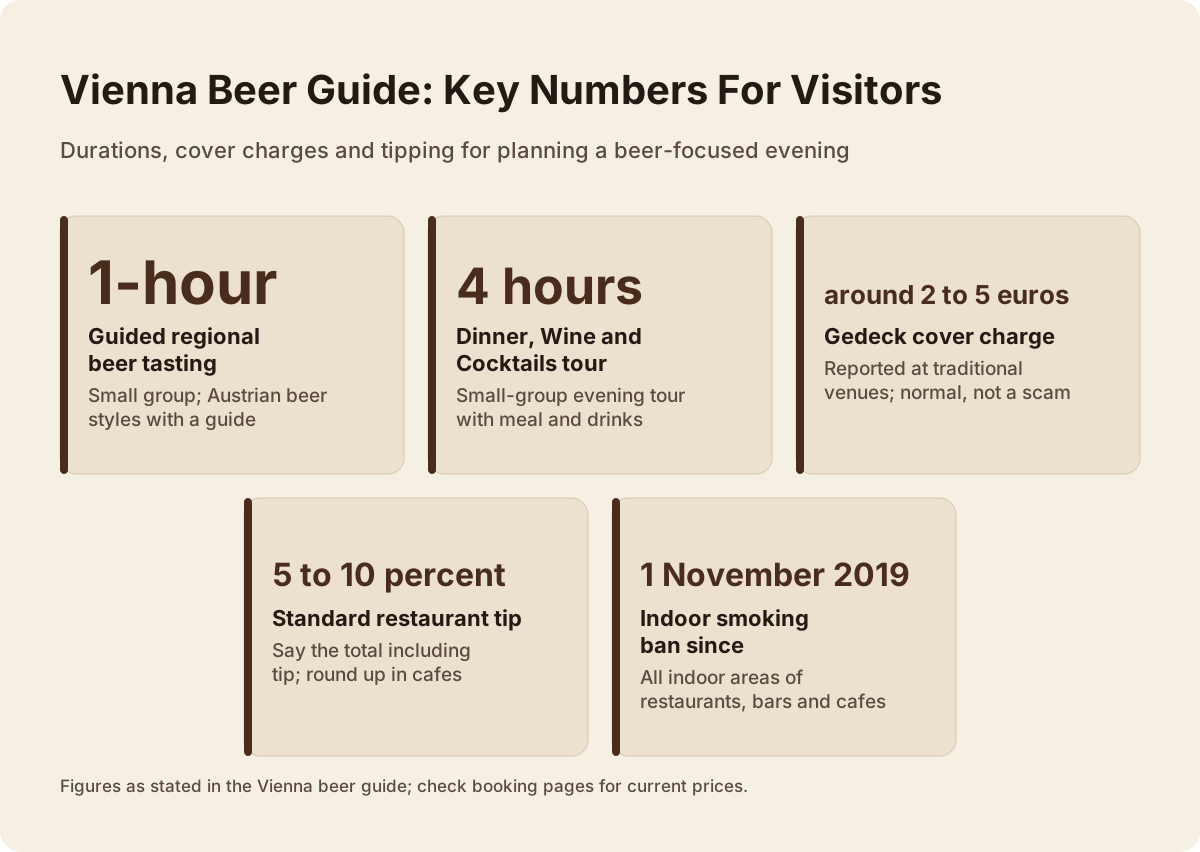
Ordering is simpler than in some beer countries. The standard serves are the Seidel, a third of a litre, and the Krügel, a half litre, and most people just say the size. A Krügel is the normal order in a Beisl; a Seidel is what you get if you order ein kleines Bier. If you want the non-alcoholic version that many Austrians genuinely drink by choice, ask for an alkoholfrei, which every bar stocks. And on a hot day, the G'spritne or Radler, lager mixed with Almdudler or lemonade, is a respected order rather than a tourist tell.
The useful order words are few, and they cover nearly every situation you will meet at a Beisl counter or a beer garden. This table collects the ones worth knowing before your first round.
| Phrase | What you get | When to use it |
|---|---|---|
| Ein Krügel | A half-litre of the house lager | The standard Beisl order |
| Ein Seidel | A third of a litre | A smaller pour, ein kleines Bier |
| Ein alkoholfrei | A non-alcoholic beer | Widely drunk by choice, every bar stocks it |
| Eine G'spritne | Lager cut with Almdudler or lemonade | Hot-day refreshment, a respected order |
| Stimmt so | Pay stated total including tip | Settling the bill without coins on the table |
None of this is expensive to be part of. Check the menu or the board when you sit down, but the general pattern holds: neighbourhood Beisln are cheaper than the café streets in the first district, and beer is reliably the cheapest alcoholic drink on the card. For how the rest of the ordering ritual works, including tipping and the cover charge some traditional venues add, see the guide to restaurant etiquette, Gedeck and tap water.
Where Can You Taste Craft Beer In Vienna?
Craft beer in Vienna clusters around the Ottakringer brewery in Ottakring and a handful of brewpubs, of which Wieden Bräu is the best known name. The brewery itself hosts events, tours and its annual summer festival, and the surrounding district has become the closest thing the city has to a beer quarter. Beyond it, brewpubs and speciality bars pour Austrian craft alongside the lagers, though the scene is modest next to wine.
The story of the last decade is Ottakringer's transformation from a dusty old lager brand into the centre of gravity for anything hoppy in Vienna. The brewery runs tours of its working plant and has leaned into craft styles, festivals and collaborations, which is why almost every conversation about craft beer in the city ends up pointing back to the 16th district. The brewery's own event pages are the place to confirm what is currently running, since tours and taproom hours change seasonally; the brewery's event listing shows the pattern.
Wieden Bräu, in the fourth district, is the other name to know: a brewpub that has been brewing its own beers on site for years and pouring them alongside solid Austrian cooking. Specific 2026 updates on Wieden Bräu were thin in the research for this guide, so check its own site before you plan an evening around it, but it remains a fixture in every local rundown of the scene. Around the city you will also find speciality beer bars carrying the wider Austrian craft wave, small breweries from Styria, Upper Austria and Salzburg that rarely leave the country.
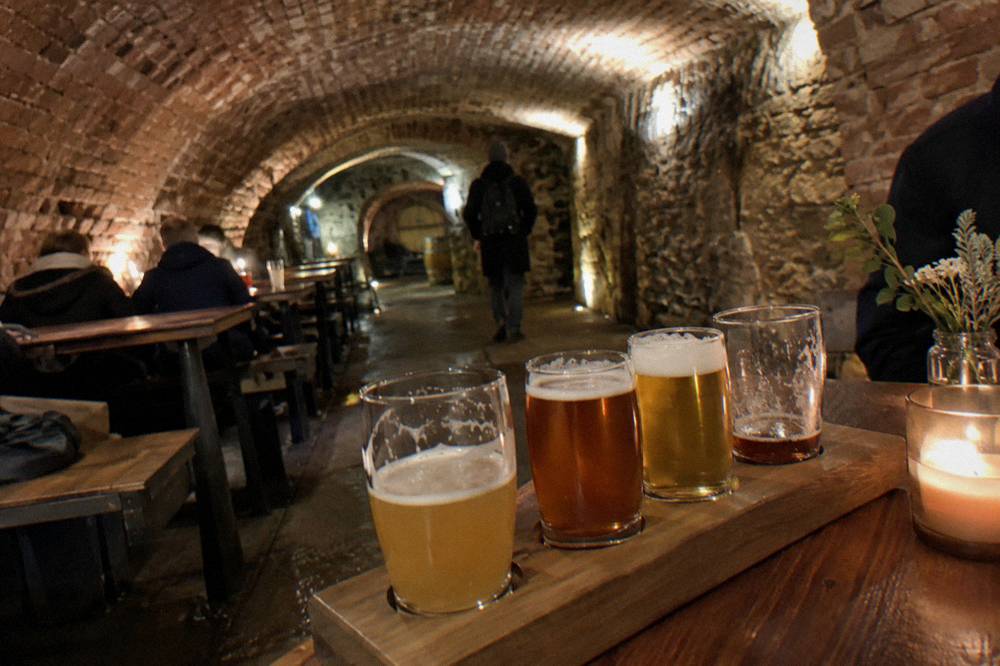
If you would rather have someone else curate the glasses, the bookable option is a guided tasting. The one beer-focused listing is a 1-hour guided regional beer tasting experience: a guide walks a small group through Austrian beer styles, explaining what is in the glass and where it comes from. The current price, meeting point and inclusions are on the booking page rather than fixed here, so check there before you commit. For travellers who want the same format applied to grapes, the wine tasting and wine tour options in Vienna run from 45-minute cellar tastings to full days in the Vienna Woods.
Is A Guided Beer Tasting In Vienna Worth Booking?
A guided tasting makes sense if you want context rather than just a pint: in about an hour, a guide walks you through several Austrian beer styles, what distinguishes them and how they fit local drinking habits. It is short and centrally useful, a good first-evening activity that teaches you what to order for the rest of the trip. If you already know your lagers, an evening food-and-drinks tour does the same job.
The honest framing is that Vienna is not a beer-discovery city in the way some German or Czech destinations are. There is no century-old beer hall circuit comparable to Munich's, and the tasting culture belongs mostly to wine. What a guided hour of beer does well is decode the Austrian style map, Märzen versus Zwickl versus wheat beer, and give you the vocabulary to order confidently in a Beisl for the rest of your stay. One hour is the right length for that job; it does not eat a whole evening.
For visitors building the whole trip around food, the stronger play is often a combined format. The Vienna Dinner, Wine and Cocktails small-group evening tour runs 4 hours and pairs an evening meal with drinks in a group setting, which suits travellers who want dinner and a guide in one booking rather than a standalone tasting hour. Check its booking page for price and departure details. Alternatively, the guided food walk comparison breaks down how the longer tasting walks stack up against each other.
One practical note: Austrian beer is served cold and drunk steadily, and a 1-hour tasting still involves several pours. Book it early in the evening rather than straight before dinner reservations. And if anyone in your party does not drink alcohol at all, message the operator before booking; dietary and drink substitutions are handled case by case and the listing does not promise alternatives.
How Do You Order Beer Like A Local In A Beisl?
Order by size, not by brand: ein Krügel for a half litre, ein Seidel for a third, and the lager that the house pours arrives by default. When you pay, state the total you want to pay including tip, rounded up, rather than leaving coins on the table. If a Gedeck, a cover charge of around 2 to 5 euros reported at traditional venues, appears on the menu, that is normal and not a scam.
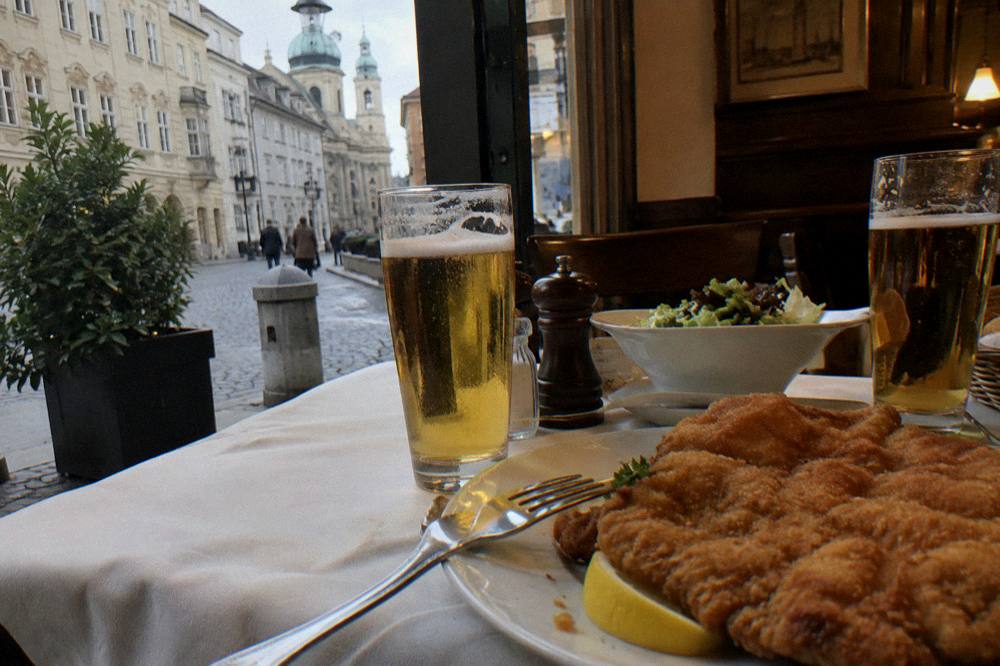
The Beisl is where the ritual happens. These are small, often wood-panelled neighbourhood gastropubs serving schnitzel, goulash and roasted pork to a mixed crowd of regulars, and the beer list is short because nobody wants it long. You will get whatever lager the house has on tap, usually Ottakringer or one of the big national brands, and that is genuinely what most tables are drinking. The custom around ordering is covered in more depth in the guide to Vienna street food and the Würstelstand, which explains the counter culture that runs parallel to the Beisl.
Tipping follows the Austrian pattern: roughly 5 to 10 percent at restaurants and Beisln, and rounding up in cafés and at bars. The mechanics matter more than the amount. When the server brings the bill, you say the total you want to pay, for instance "zehn Euro, Stimmt so" if the bill is nine-something, and they ring it up with the tip included. Leaving money on the table is understood but read as slightly foreign. The Gedeck, a per-person cover charge for bread and table setting, is legal only if it is printed on the menu, so glance at the card before you order.
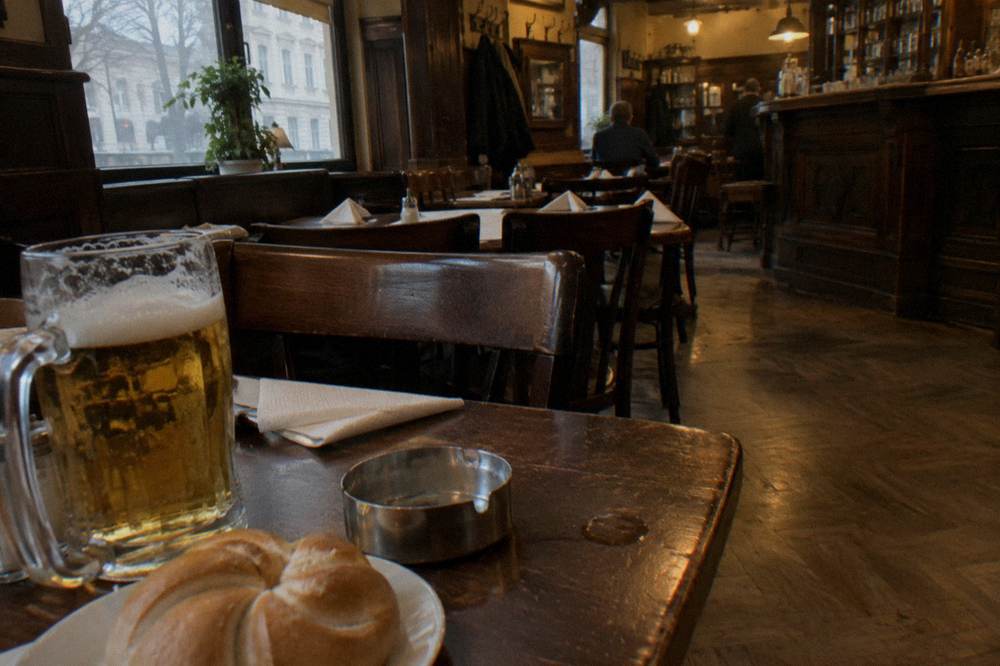
One thing has changed permanently and in your favour: since 1 November 2019, all indoor areas of Austrian restaurants, bars and cafés are smoke-free under national law, with smoking permitted only in defined outdoor areas. The official business portal summarises the rule. Older guidebooks that warn about smoky Beisln are out of date; the wood panels remain, the haze is gone.
What Happened At Ottakringer Bierfest 2026?
Ottakringer Bierfest 2026 ran from 2 July to 4 September at the Ottakringer brewery, with more than twenty tapped beers from classics to craft, street food, brewery tours, live music, and a world-record attempt at simultaneous beer pours on 1 August. It is finished for this year. If you are planning ahead, the brewery's own event pages are where the next edition's dates will appear.
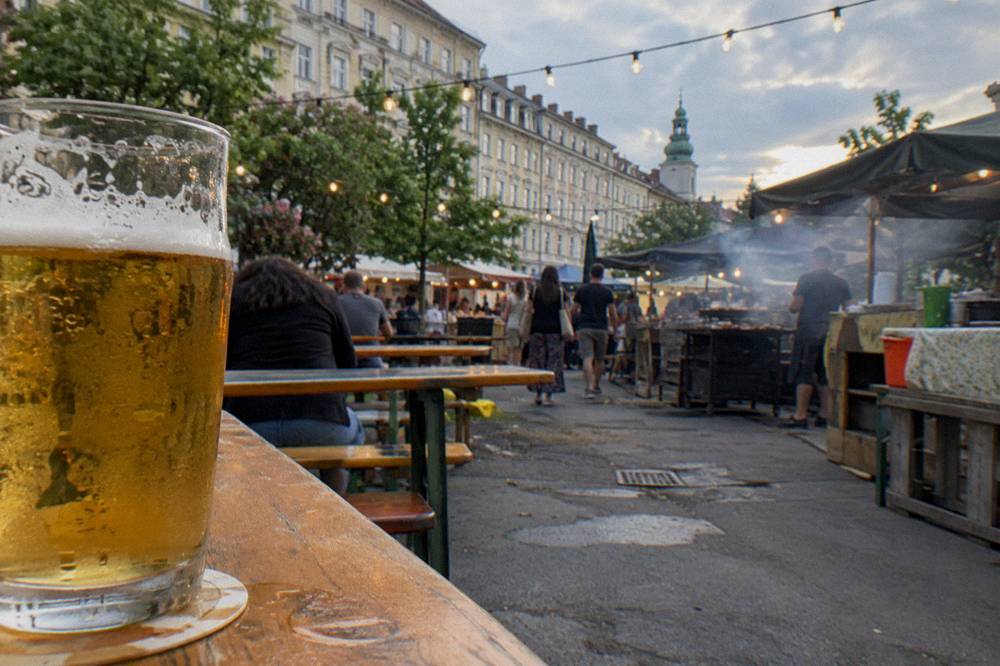
The festival is the closest thing Vienna has to a Munich-style beer celebration, and it is genuinely local rather than built for tourists. Held in the brewery courtyard and grounds in Ottakring, it spread across two summer months in 2026, pouring everything from the standard lager to experimental craft batches alongside street food stalls, tours of the working brewery, and a programme that stretched to Bieryoga, yoga in the brewery, and a pub quiz. The world-record attempt at simultaneous pours on 1 August was the year's novelty.
If you visited during the summer of 2026, this was the one beer date worth rearranging a trip around. If you are reading this later, treat the festival as a recurring pattern rather than a fixed calendar item: the dates and format shift year to year, and the brewery's own listing is the authoritative source for the next edition. Getting there is simple, the brewery sits in the 16th district with tram and U-Bahn connections, and the surrounding district is worth the trip even without a festival on.
For autumn and winter visitors the answer is different: there is no major indoor beer festival season, and the colder months belong to Christmas markets, which run across the city from mid-November, 15 markets and 814 stalls in total for 2026 according to the city's official announcement. Mulled drinks there skew to Glühwein and Punsch rather than beer, though the bigger markets pour lager too. The seasonal picture is covered in the Vienna Christmas markets guide.
Beer Or Wine: Which Drinking Culture Runs Vienna?
Both, but on different schedules. Vienna has 588 hectares of vineyard inside the city limits, 172 wineries and a wine tradition protected by rules for the Wiener Gemischter Satz field blend, which makes it one of the few capitals with commercial vineyards. Beer is the daily default in Beisln and beer gardens; wine owns the weekend Heuriger visit, the cellar tastings and the autumn calendar. Most visitors do both without conflict.
The scale of the wine side surprises people. Roughly a hundred genuine Heurigen, the wine taverns licensed to serve their own wine, still operate in Vienna despite a long decline locals call Heurigensterben, and the vineyards thread through the northern and southern edges of the city. Beer's footprint is industrial and urban: one big brewery, a scatter of brewpubs, and every Beisl counter in between. In practical planning terms, wine fills the day-trip-shaped hole in an itinerary, with Heuriger villages like Grinzing and Nussdorf reachable by tram, while beer fills the evening nearest your table.
The two cultures also keep different calendars. Wine's big public moment is the Wiener Weinwandertag, the Vienna Wine Hiking Day, which in 2026 ran on 26 and 27 September with free entry along four routes through the vineyards, tastings paid on the spot; it is past for this year. Beer's moment was the summer Bierfest, also past. That leaves the November visitor with MondoVino, a wine and gourmet festival at Marx Halle on 13 and 14 November 2026 with more than 170 producers, which a beer drinker can enjoy for the street-food-adjacent energy even if the pours run to grapes.
The cleanest way to see the split is side by side. Both columns are real, both are easy to visit, and neither requires you to choose.
| Beer side | Wine side | |
|---|---|---|
| Home base | Ottakringer brewery, 16th district | 588 hectares of city vineyard, 172 wineries |
| Where you drink it | Beisln, brewpubs, beer gardens | Roughly 100 Heurigen, cellars, taverns |
| Big annual event | Ottakringer Bierfest, 2 July to 4 September 2026 | Wine Hiking Day, 26 and 27 September 2026 |
| Guided option | 1-hour regional beer tasting | Cellar tastings from 45 minutes to full-day tours |
| Typical pairing | Schnitzel and goulash evenings | Weekend Heuriger buffet visits |
If you want both glasses poured for you in one evening, the guided formats split neatly: a 1-hour regional beer tasting for the lagers, or any of the wine-led cellar and tasting experiences for the Gemischter Satz. Vienna Food Tours covers both sides of that split in detail across its guides, and the pairing decision usually comes down to whether your evening has a meal attached.
How Should Beer Drinkers Plan A Vienna Trip?
Build the trip around one beer anchor and let food carry the rest: an evening at a brewpub or the brewery quarter, a Beisl dinner with the local lager, and one guided tasting early in the stay to calibrate your ordering. Fill the daytime with market and coffee house visits, since those are Vienna's stronger food experiences, and save a half day for the vineyards if wine curiosity strikes. Here is a workable shape for a long weekend.
The table below is a planning skeleton, not a schedule; opening hours and availability shift, so confirm anything you care about on the day.
| When | What | Why it suits a beer drinker |
|---|---|---|
| First evening | 1-hour guided regional beer tasting | Learn the Austrian style map before you order on your own |
| Day 1 lunch | Beisl lunch with a Krügel | Schnitzel or goulash with the default lager pour |
| Day 1 evening | Dinner in the 4th or 16th district | Brewpub territory, Wieden Bräu and the brewery quarter |
| Day 2 morning | Naschmarkt browse | Free to enter; stalls and market restaurants open most of the day |
| Day 2 evening | Small-group dinner and drinks tour | Dinner plus drinks with a guide in one booking |
| Day 3 | Vienna Woods or Heuriger half day | The wine counterweight, reachable by public transport |
A few practical notes sharpen the plan. Sunday is quiet: most retail is closed, though market restaurants and bar areas keep their own hours, so anchor Sunday around a long meal rather than shopping. Book the Beisl you actually want for dinner, the famous schnitzel houses fill up, and the where to eat Wiener schnitzel guide names the reliable ones. And if the beer anchor matters most, check the brewery's tour calendar before you lock your dates, since guided brewery visits do not run every day.
For travellers who want the evening handled entirely, the guided formats below cover the two most useful shapes: a short tasting hour and a full dinner-with-drinks evening, alongside a longer tasting walk for the food-first visitor.
Whatever you book, read the inclusions on the booking page rather than assuming. The beer tasting listing describes its own pours and format; the dinner tour lists what the evening covers; and the longer food walks state exactly how many tastings and drinks are included. Vienna rewards a light plan: one booked anchor per day, a shortlist of Beisln, and enough slack to sit for a second Krügel when the first one goes down well.
Common Questions About Vienna Beer
What Beer Do Locals Actually Drink In Vienna?
A pale lager, most often Ottakringer in Vienna itself, ordered by glass size: a Krügel is a half litre and a Seidel is a third. The big national lagers, Gösser, Zipfer, Schwechater and Stiegl, appear everywhere too, and non-alcoholic versions are widely drunk by choice.
Where Can You Taste Craft Beer In Vienna?
Around the Ottakringer brewery in the 16th district, which hosts tours and events, and at brewpubs such as Wieden Bräu in the fourth district, plus a scatter of speciality bars pouring Austrian craft. Confirm current tour and taproom schedules on the venues' own pages before planning around them.
Is A Guided Beer Tasting In Vienna Worth Booking?
If you want context, yes: a 1-hour guided regional beer tasting walks you through Austrian styles with a guide, which calibrates your ordering for the rest of the trip. If you already know lagers well, an evening food-and-drinks tour or a self-guided Beisl crawl serves the same purpose.
How Do You Order Beer Like A Local In A Beisl?
Order by size, ein Krügel or ein Seidel, and take the house lager. When paying, state the rounded total including tip, around 5 to 10 percent, using Stimmt so, rather than leaving coins on the table. A Gedeck cover charge of around 2 to 5 euros at traditional venues is normal if it is printed on the menu.
Beer Or Wine: Which Drinking Culture Runs Vienna?
Both, on different schedules. Beer is the daily Beisl pour; wine owns the Heuriger visits, cellar tastings and the autumn hiking day through 588 hectares of city vineyards. Most visitors do both without any conflict.