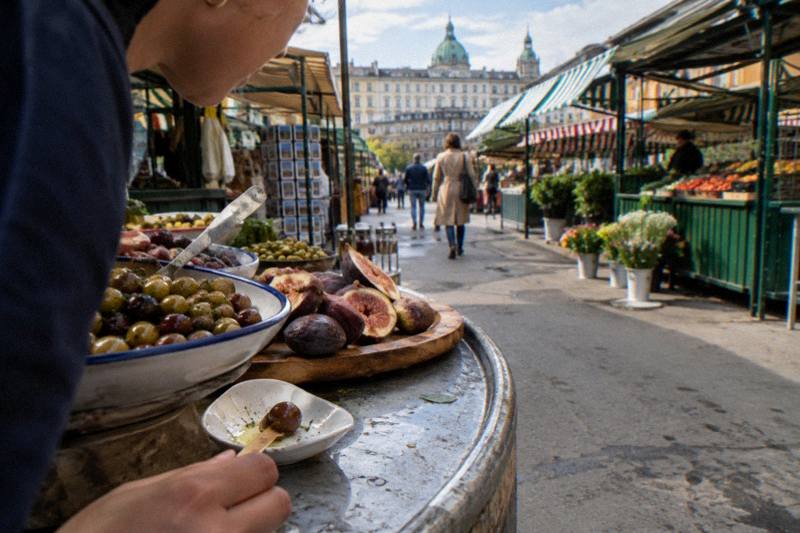
Is Naschmarkt A Tourist Trap?
A straight answer to whether Vienna's Naschmarkt deserves its tourist-trap reputation, with official hours, the 2027 redevelopment status, and how to eat there well.
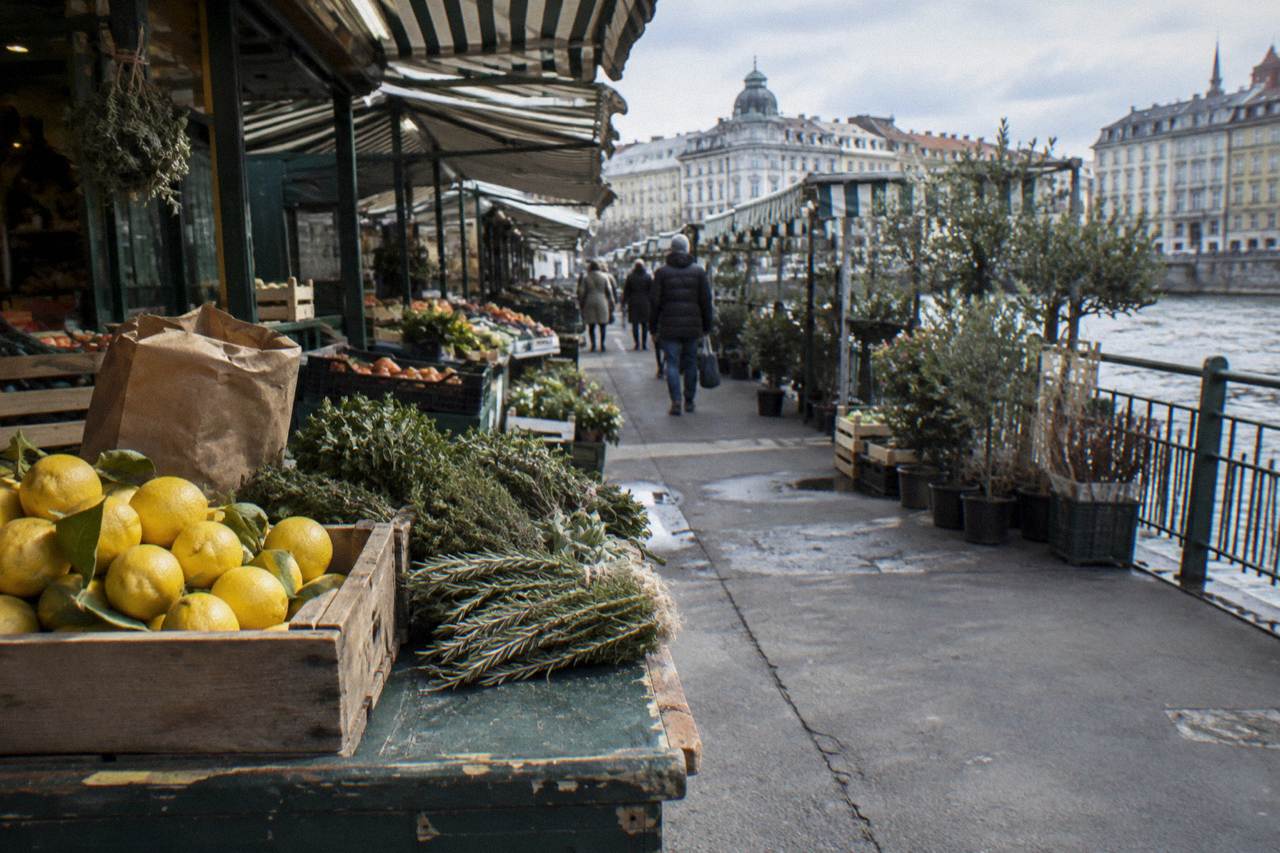
Naschmarkt is Vienna's most famous market and, because of that, the one most often accused of being a trap. The accusation has real grounds: some restaurant rows along the Wienzeile lean hard on visitors, with hosts calling out from doorways and menus priced for people who will never come back. But the market is far more than that strip. It is a regulated city market with official hours, a Saturday flea market, a new timber market hall, and a farmers' market core that locals genuinely use. Calling the whole thing a trap is as lazy as calling it authentic.
The short version: no, Naschmarkt is not a tourist trap, but parts of it are, and knowing which parts is the difference between a mediocre lunch and a genuinely good market morning. The rest of this article draws the line for you, using the city's own market rules, the current state of the redevelopment, and a fair reading of where visitor money and local shopping actually meet.
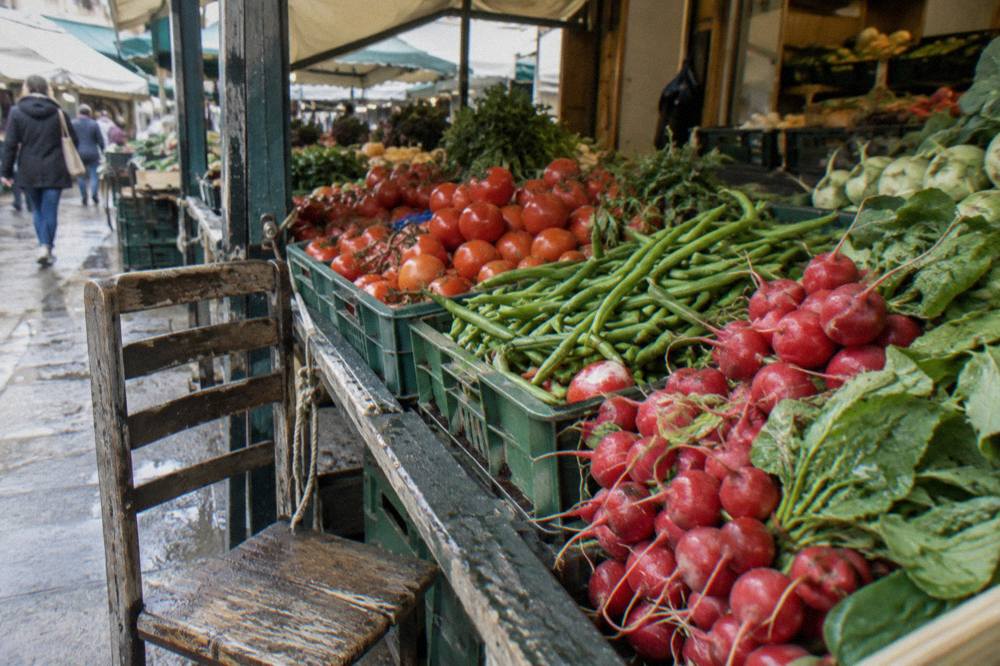
No, the market as a whole is not a tourist trap, but the stretch of restaurants facing the Wienzeile earns part of its reputation, and the line between the two is easy to draw. The produce and specialty stands, the farmers' market area and the new Marktraum hall are regulated market trade with posted hours, not theater. The tourist-facing restaurants are where complaints about price and quality cluster. Visit the stands, eat selectively, and the market holds up.
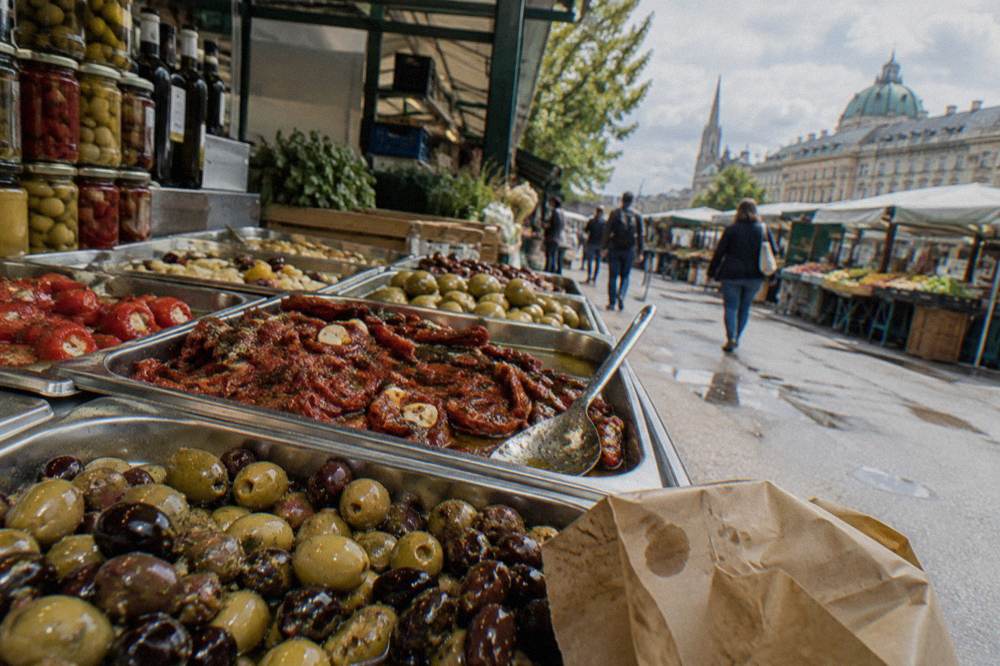
Here is the honest anatomy of the place. Naschmarkt stretches along the Wienzeile between the Karlsplatz and Kettenbrückengasse U-Bahn stations, and it splits into zones that behave very differently. The eastern half, closer to Karlsplatz, carries most of the sit-down restaurants, many of them serving a broad Levantine and international menu aimed squarely at visitors. The western half and the market interior hold the fruit and vegetable stands, cheese counters, fishmongers, spice sellers and bread stalls, plus the farmers' market area that has been temporarily relocated during construction works around the Kettenbrückengasse end.
Locals do still shop here. That single fact matters more than any review thread. A market that locals abandon for tourists tends to hollow out within a few years, and Naschmarkt has not done that: the city's own rules require every stand and venue to be open Tuesday to Friday from 15:00 to 18:00, a window that exists for after-work shoppers, not tourists. If the market were purely a visitor attraction, that rule would make no sense at all, because tourists do not do their shopping on a Tuesday at four in the afternoon. You can read the official market rules and hours on the City of Vienna's Naschmarkt page.
The complaint that does hold up is about the restaurant rows. Hosts beckoning from the pavement, photograph-heavy menus in five languages, and covers that cost more than the food justifies: that pattern exists here, as it does around every major market in Europe. It is not unique to Vienna, and it is not hidden. The fix is not to avoid the market. The fix is to eat with a plan, or to let someone who knows the stalls do the choosing for you.
A guided tasting walk is one of the cleanest answers to the trap problem, because a local guide's stand choices are the exact thing a first-time visitor cannot judge. A guide who shops the market knows which counter's olives are worth the money and which stall's bread sells out by noon, and that knowledge is what you are buying along with the tastings. Our full Naschmarkt food guide covers what to eat once you know the layout, and the Saturday flea market hours guide explains the weekend rhythm if you are combining the two.
Where The Trap Reputation Comes From
The reputation comes from three specific things: aggressive restaurant touting on the Wienzeile side, prices at sit-down venues that sit above the Viennese norm, and the sheer weight of visitor footfall between Karlsplatz and the market's middle. None of these touch the produce stands or the farmers' market area. All three are concentrated in the restaurant rows, which is exactly where a first-time visitor tends to land after stepping off the U4.
Start with the touting. Traditional Viennese gastronomy does not do doorway hosts; a Beisl or a coffee house expects you to walk in on your own initiative. So when someone calls you to a table from the street, that itself is the signal: this venue's business model is footfall, not regulars. It is not a guarantee of a bad meal, and fair meals are served on these rows every day. But it is a fair filter, and one that costs you nothing to apply.
Then there is structure. Because the market sits directly on two U-Bahn lines and beside the Secession and the Karlskirche, it catches an enormous share of Vienna's visitors, and restaurant rows adapt to that. A table with a view of the market walkway rents a certain kind of customer, and menus reflect it. None of this is hidden. It is simply the economics of a famous market, the same pattern you find at other great European market halls that sit beside major attractions.
The counterweight is what people miss. On the farmers' market days, and in the specialty stands selling cheese, olives, spices, bread and fish, prices and quality track what you find at the city's other markets, like Karmelitermarkt in the second district or Brunnenmarkt in Ottakring, both covered in our guide to Vienna's markets beyond Naschmarkt. Those markets see far fewer visitors, and if the same stands at Naschmarkt were charging a different tier of prices for the same goods, the comparison would show it. Mostly it does not. The trap accusation, applied to the whole market, would require locals to be suckers too. They are not.
There is a third, quieter ingredient: expectation. Visitors arrive at Naschmarkt primed for a rustic old Vienna market, and parts of what they find are glossy, international and openly commercial. The gap between the postcard and the pavement gets processed as "trap" when the honest label is just "city market, large, mixed". Once you expect a mixed market rather than a museum piece, most of the disappointment dissolves.
What The Official Rules Say The Market Is
Officially, Naschmarkt is a regulated city market, not a mall of restaurants. Sales stands may operate Monday to Friday up to 21:00 and Saturdays up to 18:00, restaurants up to 23:00 on weekdays and Saturdays, and every stand must be open Tuesday to Friday between 15:00 and 18:00. Those hours exist to protect everyday trade, which is not how a pure tourist attraction is run.
The hours table is worth having in full, because it also tells you when the market is at its most local. Midweek late afternoon is the residents' window, the time when the compulsory opening rule bites. Saturday morning is the busiest and most visitor-heavy slot, doubled by the flea market that runs beside the market every Saturday.
| Part of the market | Official maximum hours | Notes |
|---|---|---|
| Sales stands | Mon to Fri up to 21:00, Sat up to 18:00 | Individual stands may choose shorter hours |
| Farmers' and trader spaces | Mon to Fri up to 19:30, Sat up to 18:00 | Relocated during U4 tunnel works |
| Restaurants and bars | Mon to Sat up to 23:00, Sun and holidays 9:00 to 21:00 | Sunday opening applies to gastronomy, not stands |
| Flea market | Saturdays from about 6:30 to 15:00 | Not held 25 and 26 December, restricted 12 and 19 December 2026 |
Notice what the Sunday rule tells you: the sales stands, the actual market, shut on Sundays, while restaurants may open 9:00 to 21:00. A Sunday visit therefore gives you the restaurant rows and little else, which is precisely the slice of Naschmarkt most likely to disappoint. If your week allows any flexibility, pick another day and you will meet the market that locals defend.
The flea market deserves its own sentence: it is a separate Saturday institution at the Kettenbrückengasse end, and many Viennese treat it as the main event, arriving early to dig through the stalls before the crowds build. On two Saturdays in December 2026 it is restricted by the Christmas tree market, which is worth knowing if you are planning a winter visit around our Vienna Christmas markets guide.
One more rule quietly shapes the eating experience. Since 1 November 2019, all indoor areas of Austrian gastronomy are smoke-free, terraces excepted, per the official business portal's summary of the law. The old smoky market tavern is gone; what replaced it is at least a cleaner room, whatever else has changed.
The Redevelopment: What Changes By 2027
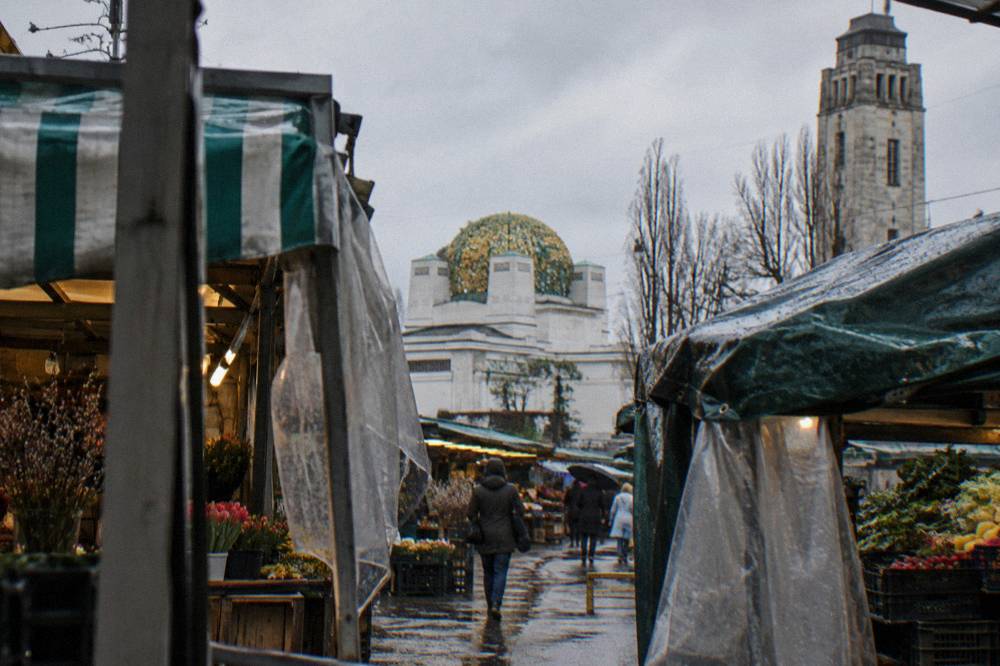
Naschmarkt is mid-way through the largest redevelopment in its modern history. The Naschpark green space on the former car park is finished, the timber Marktraum hall with 13 regional-food stands has opened, and the remaining works around the farmers' market and flea market area are now expected to complete in February 2027, later than first planned. Construction has visibly reshaped the western end.
The reported sales figure from Austrian press coverage in April 2026, roughly 30 percent lower at some relocated farmers' market stands during the transition, is the clearest evidence you will ever get that this is a working market: real stands, real margin pressure, real traders waiting out a building site. A pure tourist attraction does not lose a third of its sales and keep operating; a market with a resident customer base does, because the customers come back when the hoarding comes down. The Kurier report on the redevelopment timeline carries the details, including the shift of the completion date from the end of 2026 into February 2027.
For a visitor, the practical reading is straightforward. The market is fully open and functioning, but the western end, around Kettenbrückengasse and the flea market, is the construction-facing edge, and stand layouts there may still shift. The Marktraum hall, around 800 square metres of timber structure with 13 stands selling regional and seasonal products, is the finished new centerpiece, and it closes at night like any retail hall rather than running as a restaurant row. Bread, meat, fish and cheese are among the categories the hall was built to showcase, which makes it the newest answer to the "where do locals actually shop here" question. The rest of the planning pages sit on Vienna Food Tours.
Should the construction put you off? No. It puts a small part of the market behind hoarding, not the whole experience, and the new hall is itself worth the walk to the west end. But if your mental image of Naschmarkt comes from photos taken before 2024, adjust it: the car park is now a park with young trees, and the market's shape has changed for good. Treat the building site as a sign of investment rather than decline, which is what it is.
How To Visit Without Getting Trapped
The working method is simple: shop and graze at the stands, sit down only where you chose the venue yourself or on a local's recommendation, and anchor your visit to the hours when the market is doing real trade. Midweek afternoon is the most local. Saturday morning is the most alive and the most crowded. Arriving hungry without a plan at 13:00 on a Saturday is how the trap reputation gets made.
A few concrete moves help. Walk the full length once before you buy anything; the market rewards a lap, and prices are not uniform from east to west. Buy the things stands do best, bread, cheese, olives, fruit, spices, and make a picnic of them, either in the new Naschpark or along the Wienzeile. If you want a seated meal, pick the venue in advance rather than letting a host pick you. And if a menu has photographs of every dish in four languages and a host outside, treat that as information, not an insult. None of these steps costs money or takes longer than a few minutes of walking.
The money question deserves honesty too. Stand food, a bread roll, a piece of fruit, a snack from a deli counter, behaves like normal Vienna pricing, and market stall food across the city sits in a recognizably everyday band. The sit-down restaurants on the visitor-facing rows are where price complaints tend to come from, and the gap between the two experiences is the trap, not the market itself. Expect to pay restaurant prices for restaurant seats, stall prices for stall food, and the arithmetic stops surprising you. Our article on what a Vienna food walk costs breaks down the city's food spending patterns more broadly if you are budgeting a whole trip.
Timing interacts with the trap question more than most visitors realize. The compulsory Tuesday to Friday afternoon window guarantees the market is functioning midweek even in the quiet of February. Saturday is when the market is at its fullest and also at its most international, both in the stalls' customers and in the languages on the walkway. Sunday, as noted above, reduces you to the restaurant rows. If you can only come once, come on a Saturday morning for the spectacle, but do your eating at the stands.
What A Guided Market Walk Adds
A guided Naschmarkt walk solves the exact problem this article describes: it replaces your guesses about which stands are good with a local's working knowledge, and on tasting tours it bundles the stand food into one booked price. The Vienna: Naschmarkt Food Tasting Tour runs about two and a half hours and is built around tastings through the market. For one morning and a decoded market, it is the most direct fix.
The Vienna: Naschmarkt Food Tasting Tour suits a first visit: about two and a half hours, a walking pace, and a structure that moves you stand to stand rather than parking you at one table. That structure matters here precisely because the market's weakness is its sit-down rows and its strength is its counters, and a tasting format plays to the strength. What is included, from tastings to any drinks, is stated on the operator's booking page, and dietary needs are worth messaging about before you book, since not every listing states vegetarian or vegan options.
A shorter alternative is the Vienna: Naschmarkt Guided Food Tour, about two hours, which leans more on the market's history and layout alongside its tastings. It fits a tighter schedule, or a morning you are pairing with the flea market and want to be done by early afternoon. The shorter runtime trades some tasting depth for context, which is the right trade for some visitors and the wrong one for others.
The third option in the family is Peters Naschmarkt Enjoyment walks, about two hours, an operator-led stroll of the market's food highlights. Between them, the choice is mostly about duration and how much tasting versus storytelling you want; the specifics of each, including meeting points and inclusions, are on each operator's booking page. Vienna Food Tours covers these formats side by side if you want to compare before committing, and the guide to choosing a Vienna food walk walks through the same decision for the whole city.
So, Trap Or Not?
On the evidence, not a trap: a regulated, partly rebuilt, still-working city market with a tourist-facing restaurant strip attached to one side. The stands and the Saturday flea market are the market's real substance. The rows of touting restaurants are where the complaints come from, and avoiding them takes one lap of walking and a little planning.
The fairest summary is that Naschmarkt is a good market with a tourist district bolted onto its edge, and the two are easy to separate once you have walked ten minutes of it. The city's own rules, the compulsory afternoon opening window, the Sunday stand closure, the redevelopment spending, all describe a market built around residents. None of that erases the touting rows, and you should not pretend otherwise. But a trap is a place that functions only to extract money from visitors, and Naschmarkt fails that test every Tuesday at 16:00.
Common Questions About Naschmarkt
Is Naschmarkt A Tourist Trap?
No, but part of it is tourist-oriented. The produce stands, specialty counters, farmers' market area and new Marktraum hall are regulated market trade that locals use, with required opening hours for after-work shopping. The sit-down restaurant rows along the Wienzeile, with hosts touting from doorways, are where most complaints about price and quality cluster. Walk the stands, eat selectively, and the market holds up.
What Are Naschmarkt's Official Opening Hours?
Sales stands may open Monday to Friday up to 21:00 and Saturday up to 18:00. Restaurants may open Monday to Saturday up to 23:00 and Sundays and holidays 9:00 to 21:00. Every stand and venue must be open Tuesday to Friday between 15:00 and 18:00. Individual stands can choose shorter hours within those maxima.
When Does The Saturday Flea Market Run?
The flea market beside Naschmarkt runs every Saturday from about 6:30 to 15:00, with no market on 25 and 26 December and restricted trading on 12 and 19 December 2026 due to the Christmas tree market. It sits at the Kettenbrückengasse end, near the ongoing redevelopment works.
Is The Market Affected By Construction?
Yes, at the western end. The Naschpark green space is complete and the timber Marktraum hall with 13 regional-food stands has opened, but remaining works around the farmers' market and flea market area are expected to finish in February 2027. Some relocated farmers' market stands reported about 30 percent lower sales during the transition.
Should I Book A Guided Tour Of Naschmarkt?
If you have limited time or want the stand selection made for you, yes. The market-focused walks run about two to two and a half hours and move you through tastings at chosen stands instead of leaving you to guess. Check each tour's booking page for the exact inclusions, meeting point and dietary options before booking.